Weather Alert: Cloudy Skies and Strong Winds Forecast Across Parts of South Africa
Residents across parts of South Africa are advised to prepare for cloudy skies and strong winds. While initial reports indicate widespread atmospheric changes, specific regional impacts and warning levels remain to be confirmed.
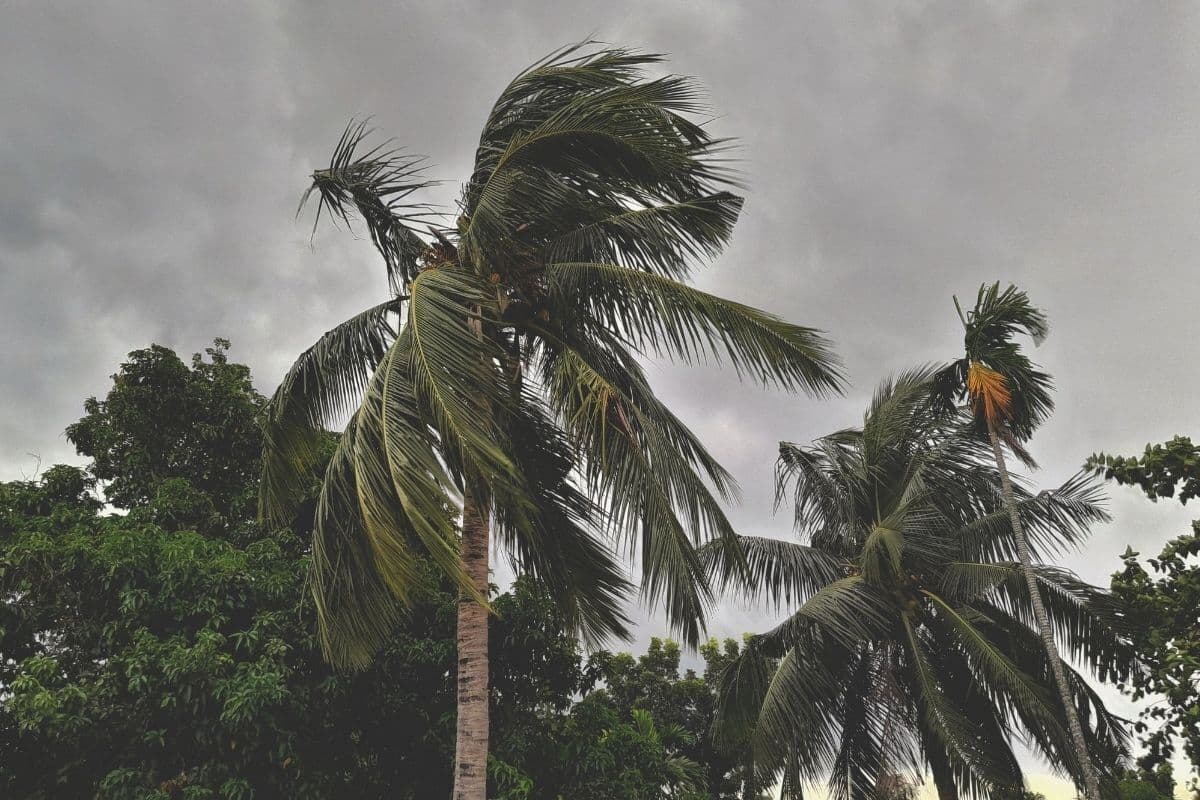
South Africans are preparing for a shift in weather conditions as reports emerge of cloudy skies and strong winds expected across various parts of the country. The initial forecast, which began circulating on 28 August 2026, has raised awareness among residents who may need to adjust their daily plans and commute routes. While the transition from late winter to early spring often brings unpredictable weather patterns to the region, this latest alert highlights the need for vigilance across affected areas.
According to the available trend data sourced from national news reports on 28 August 2026, the primary weather features to watch are widespread cloud cover and notably strong winds. However, the initial reports remain broad, stating that these conditions will impact "parts of SA" without immediately identifying the exact geographic boundaries of the weather system. This lack of specific regional breakdown means that residents across all provinces should remain alert to localized changes in their immediate environments.
Because the preliminary reports do not specify which provinces or municipalities are expected to experience the most severe conditions, several key details remain unclear. It is currently unknown whether coastal regions, such as the Western Cape and Eastern Cape, will face the brunt of the winds, or if inland provinces like Gauteng and the Free State will also experience significant gusts. Additionally, the exact wind speeds, the anticipated duration of the windy spell, and whether the South African Weather Service (SAWS) has issued formal impact-based warnings have not yet been detailed in the initial reports.
In the South African context, strong winds and cloudy skies can have a range of practical implications for daily life. For motorists, particularly those driving high-sided vehicles, caravans, or operating on open freeways, strong crosswinds present a notable road safety hazard. Reduced visibility due to thick cloud cover can further complicate driving conditions, making it essential for road users to maintain safe following distances and keep their headlights on.
Beyond transport, strong winds often bring challenges to local infrastructure and residential areas. Informal settlements, which are particularly vulnerable to severe weather, can face structural damage from sustained gusts. In suburban areas, residents are generally advised to secure loose outdoor items, such as patio furniture and dustbins, and to be cautious of falling tree branches or wind-blown debris that could block roads or damage property.
The combination of cloudy skies and wind also has implications for the agricultural and maritime sectors. Farmers may need to take precautions to protect vulnerable crops and livestock from sudden temperature drops or wind damage. For coastal communities and maritime operators, strong winds typically correlate with rough sea conditions, which can affect fishing operations and recreational beach activities.
As the situation develops, South Africans are urged to keep a close eye on localized weather updates. While the initial reports provide a general warning of cloudy skies and strong winds, detailed regional forecasts will be crucial for understanding the precise timing and severity of the weather system. Residents should monitor official channels, including the South African Weather Service and local disaster management municipal feeds, to receive real-time alerts and safety advisories tailored to their specific locations.
Reporting record
How this story was produced
This article was AI-generated from the frozen trend evidence and passed deterministic quality and safety gates. No cross-provider evidence review or independent human verification is claimed for this record.
- Byline
- Newstrends AI Newsroom
- First published
- Last material update
- No later material update recorded
- Distinct source identifiers
- 1 retained source identifier
Frozen source links for this publication
Chronology
Story timeline
A generated chronology for orientation; dates and details may require source verification.
Update
Initial reports emerge warning of cloudy skies and strong winds across parts of South Africa.
Reader file
Frequently asked questions
01Which parts of South Africa will be affected by the strong winds?
The initial reports state that 'parts of SA' will be affected, but they do not specify the exact provinces or municipalities. Residents are advised to monitor local updates.
02When was this weather alert first reported?
The trend data indicates that the weather report regarding cloudy skies and strong winds was captured on 28 August 2026.
03What safety precautions should I take during strong winds?
It is generally recommended to secure loose outdoor items, drive with extra caution (especially high-sided vehicles), and stay updated via official weather channels.
Keep reading
Related coverage
More published reporting connected to this story.

South Africa Weather: Fine Conditions Expected as Fog and Clouds Hit Parts of the Country
South Africans are experiencing a mix of fine weather conditions alongside localized fog and cloud cover. While some regions enjoy clear skies, others face reduced visibility as the country navigates late-winter transitional weather.
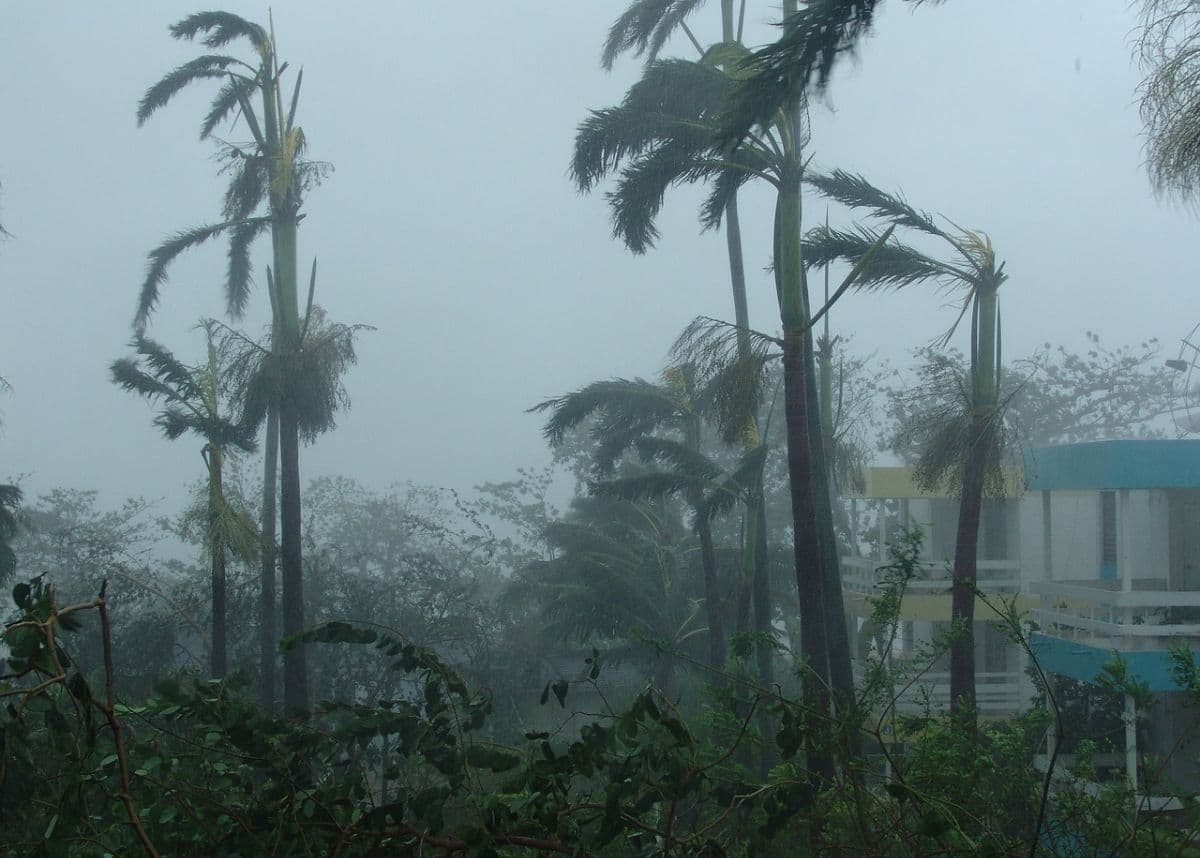
Weather Alert: Strong Winds and Light Rain Expected to Sweep Across the Cape Provinces
A weather alert has flagged incoming strong winds and light rain for specific parts of South Africa, particularly the Cape Provinces. Residents are advised to prepare for potential localized disruptions as official meteorological updates develop.
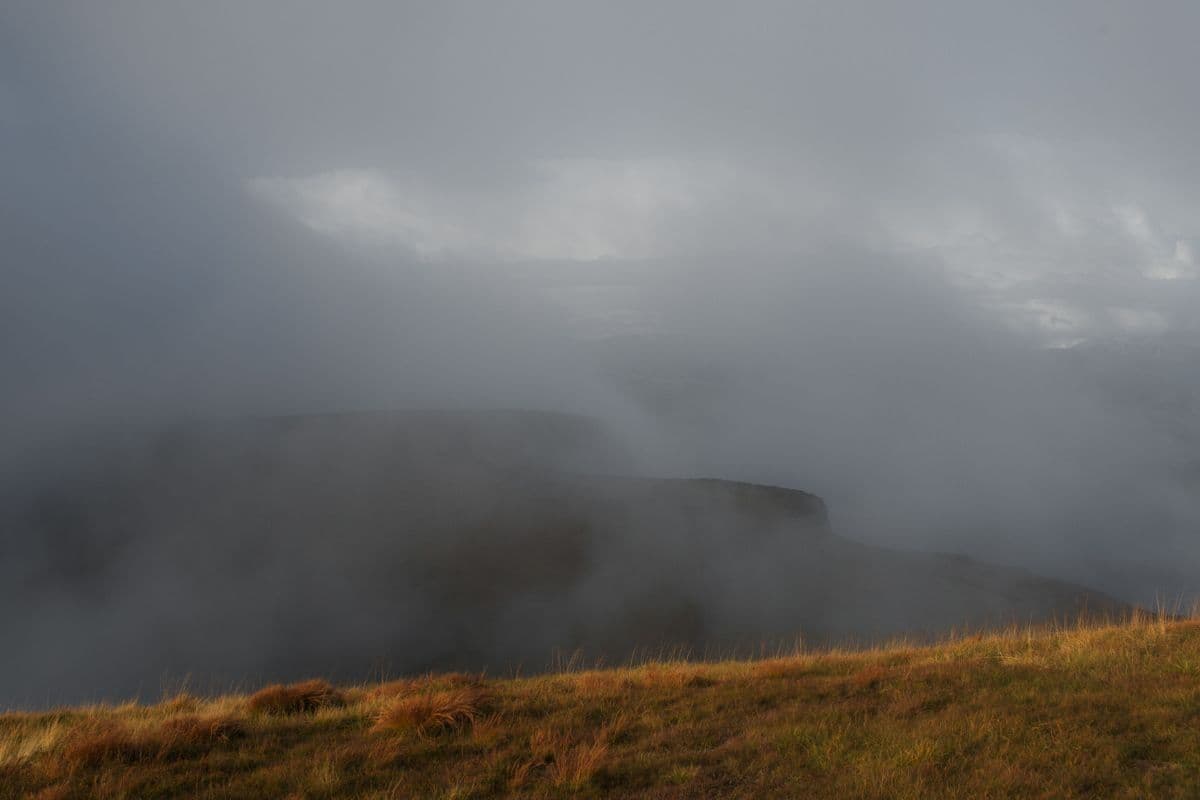
WEATHER: Fog and Cooler Temperatures Set to Sweep Across South Africa This Week
South Africa is bracing for a shift in weather patterns as fog and cooler temperatures set in across the country this week. While specific regional details remain limited, residents are advised to prepare for reduced visibility and colder conditions.
Weather Update: What South Africans Can Expect This Sunday
A national weather update has been published ahead of Sunday, prompting South Africans to check regional forecasts. While broad alerts are circulating, residents are advised to monitor localized reports for specific temperature and rainfall details.
Sunday weather update published: What South Africans need to know ahead of the weekend's close
South Africans planning their Sunday activities are looking to the latest meteorological forecasts following a weather update published by national media. While specific regional temperatures and rain projections remain unconfirmed in initial alerts, the update highlights the ongoing importance of daily weather tracking.