Sunday weather update published: What South Africans need to know ahead of the weekend's close
South Africans planning their Sunday activities are looking to the latest meteorological forecasts following a weather update published by national media. While specific regional temperatures and rain projections remain unconfirmed in initial alerts, the update highlights the ongoing importance of daily weather tracking.
On Saturday, 15 August 2026, South African media outlet The Citizen issued its highly anticipated weather update outlining what citizens should expect on Sunday, 16 August 2026. The publication of the outlook serves as a crucial guide for residents planning their travel, outdoor activities, and daily operations across the country's nine provinces. However, the specific meteorological data—such as regional temperature ranges, precipitation probabilities, and wind warnings—remained absent from the initial high-level alert, leaving many to seek further clarification on localized conditions.
In South Africa, where weather patterns can vary dramatically from the arid Northern Cape to the humid coastal areas of KwaZulu-Natal and the temperate highveld of Gauteng, daily weather updates are essential. At this stage, the precise details of whether Sunday will bring winter rainfall, dry cold fronts, or unseasonal warmth are not explicitly detailed in the initial report. This lack of immediate specificity highlights a common challenge for weekend planners who must wait for consolidated reports from the South African Weather Service (SAWS) or updated media bulletins to confirm their local forecasts.
August in South Africa is traditionally a transitional month, often characterized by late-winter cold snaps, dry windy conditions across the interior, and occasional late-season rainfall in the winter-rainfall regions like the Western Cape. Because of these rapid atmospheric shifts, sudden weather updates are highly sought after by the general public. The high engagement with these updates, as evidenced by their viral status in local news feeds, underscores how sensitive South African routines are to sudden environmental changes.
The practical implications of these Sunday forecasts extend far beyond simple leisure planning. For South Africa's agricultural sector, sudden temperature drops, dry spells, or unexpected frost can severely impact crop management and livestock safety. Similarly, in major urban centres such as Johannesburg, Pretoria, and Cape Town, commuters and outdoor workers rely heavily on these timely updates to mitigate risks associated with adverse weather, such as localized flooding, high-velocity winds, or poor driving visibility on major national highways.
What remains unclear from the initial reports is the presence of any severe weather alerts or watches for Sunday, 16 August 2026. Without specific warnings regarding gale-force winds along the Eastern Cape coast, high seas in the Western Cape, or severe thunderstorms in the northern provinces, residents are advised to exercise caution and monitor live updates. The absence of these details in the preliminary media release means that citizens should verify local conditions through official meteorological channels before embarking on long-distance travel.
As Sunday progresses, the public is encouraged to watch for updated bulletins from local news platforms and the South African Weather Service. These updates typically provide hourly temperature breakdowns, wind directions, and UV index ratings. Staying informed through verified news sources ensures that communities can respond proactively to any sudden changes in the atmosphere, keeping safety at the forefront of the weekend's conclusion.
Ultimately, the publication of the Sunday weather update serves as a reminder of the vital role that timely journalism plays in public safety and daily logistics. As climate patterns become increasingly variable, the reliance on automated and rapid news alerts will only grow. South Africans are urged to keep a close eye on changing conditions as they prepare for the upcoming workweek, ensuring that they are not caught off guard by the elements.
Reporting record
How this story was produced
This article was AI-generated from the frozen trend evidence and passed deterministic quality and safety gates. No cross-provider evidence review or independent human verification is claimed for this record.
- Byline
- Newstrends AI Newsroom
- First published
- Last material update
- No later material update recorded
- Distinct source identifiers
- 1 retained source identifier
Frozen source links for this publication
Chronology
Story timeline
A generated chronology for orientation; dates and details may require source verification.
Update
The Citizen publishes a preliminary weather update for Sunday.
Update
Sunday weather outlook takes effect across South Africa.
Reader file
Frequently asked questions
01Where was the Sunday weather update first published?
The update was published by the South African media outlet The Citizen on Saturday, 15 August 2026.
02What specific weather conditions are expected for Sunday, 16 August 2026?
Specific meteorological details, such as temperatures, rainfall, and wind warnings, were not detailed in the initial alert and remain unconfirmed.
03Where can South Africans find localized weather warnings?
Residents are advised to monitor updates from the South African Weather Service (SAWS) or local news platforms for regional forecasts.
Keep reading
Related coverage
More published reporting connected to this story.
The Citizen Releases National Weather Forecast for Saturday, 8 August 2026
South Africans preparing for the weekend can now access the latest national weather outlook. Published by The Citizen, the forecast for Saturday, 8 August 2026, provides essential guidance for regional planning and outdoor activities.
Thursday’s Weather: Fine and Cool Conditions with Showers Forecast for Parts of South Africa
South Africans can expect a combination of fine, cool weather and localized showers on Thursday, 6 August 2026. While the exact regional breakdown remains unspecified, the transitional August weather highlights the need for cautious driving and layered clothing.
South Africa Braces for Severe Weather Alert Warning of Damaging Winds, Waves, and Extreme Fire Danger
A national weather alert has been issued for South Africa on 5 August 2026, warning of damaging winds, high waves, and extreme fire danger. While specific regional impacts remain unconfirmed, residents are urged to prepare for potential disruptions.
South Africa Braced for Snowfall and 'Very Cold' Weather as Winter Snap Hits
A major weather update warns of expected snowfall and extremely cold temperatures across South Africa starting the week of 27 July 2026. While specific regional details remain to be confirmed, residents and farmers are urged to prepare for winter hazards.
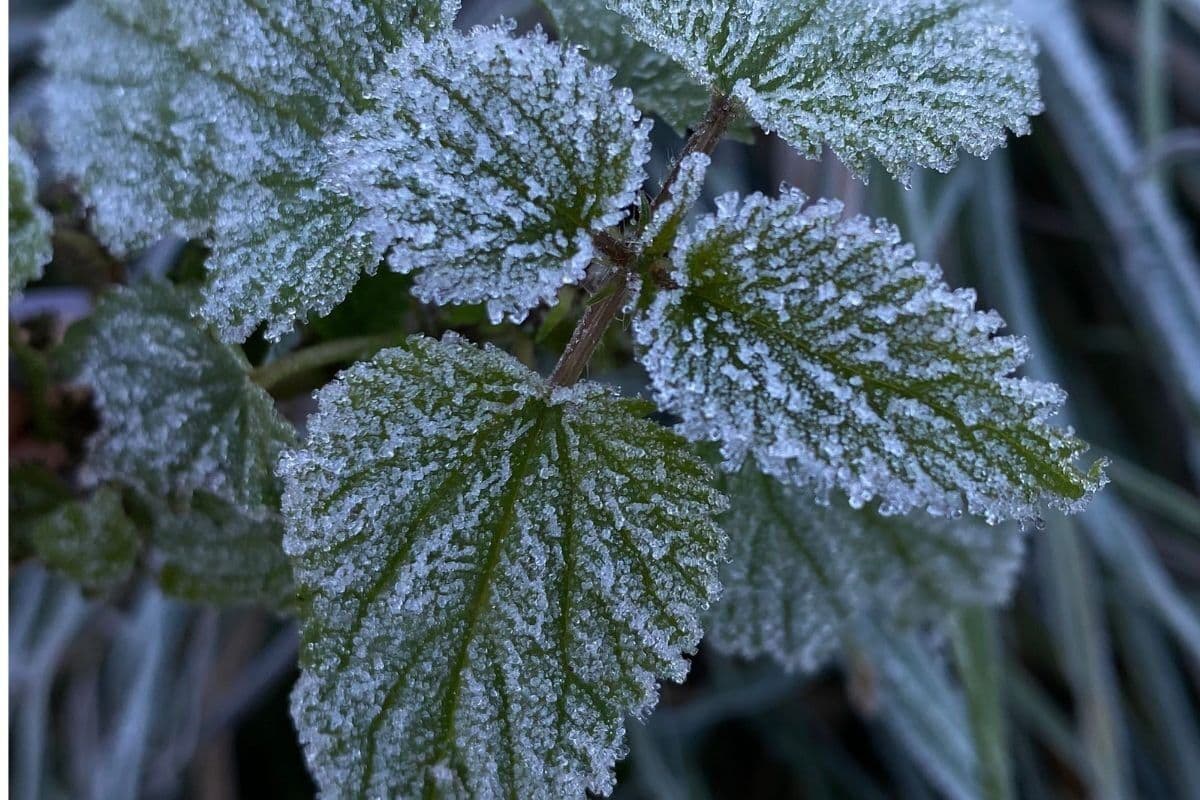
Late-Winter Chill: Morning Frost and Cloudy Conditions Set to Hit One South African Province
A newly developing weather system is expected to bring morning frost and cloudy conditions to one South African province. While the specific province remains unconfirmed, residents and farmers are advised to prepare for a sudden mid-August temperature drop.