Weather Update: What South Africans Can Expect This Sunday
A national weather update has been published ahead of Sunday, prompting South Africans to check regional forecasts. While broad alerts are circulating, residents are advised to monitor localized reports for specific temperature and rainfall details.
South Africans planning their weekend activities have been urged to keep a close eye on the skies, following the release of the latest national weather update detailing what to expect this Sunday. Published on Saturday, 15 August 2026, the preliminary weather briefing from local news outlet The Citizen has started circulating widely online as citizens prepare for the final day of the weekend. While the initial reports signal a highly anticipated outlook, specific regional breakdowns remain key for residents planning outdoor events or travel across the country's diverse climate zones.
Sunday weather forecasts hold significant weight in South Africa, where outdoor lifestyle activities, community gatherings, and weekend travel are central to the social fabric. From the coastal regions of the Western Cape and KwaZulu-Natal to the inland highveld of Gauteng, weather conditions dictate everything from local sporting events to informal economic activities. Consequently, early updates published on Saturday afternoons serve as an essential planning tool for millions of households looking to optimize their Sunday plans.
At this stage of the weekend cycle, the precise meteorological data—including exact maximum and minimum temperatures, wind speeds, and precipitation probabilities for individual provinces—has not been fully detailed in the preliminary tracking data. While the alert confirms that a comprehensive Sunday outlook is available, the specific behavior of localized weather systems, such as cold fronts moving over the Cape or high-pressure systems bringing warmth to the northeast, remains to be verified through official provincial channels. This lack of immediate regional detail highlights the necessity for residents to consult localized forecasts before finalizing their Sunday itineraries.
In South Africa, the dissemination of weather information is a collaborative effort between official bodies like the South African Weather Service (SAWS) and major media networks. Outlets like The Citizen play a crucial role in translating complex meteorological data into accessible updates for the general public. These updates are particularly vital during transitional seasons or periods of volatile weather, where sudden changes can pose risks to safety, property, and local infrastructure.
The practical implications of these Sunday weather forecasts extend far beyond simple leisure planning. For South Africa's agricultural sector, sudden shifts in temperature or unexpected rainfall can influence irrigation schedules and livestock management. Similarly, transport sectors and commuters rely heavily on these updates to anticipate hazardous driving conditions, such as dense fog, heavy rain, or strong crosswinds, which are common on major national routes like the N1, N2, and N3 highways.
As Sunday unfolds, residents across all nine provinces are advised to monitor live satellite feeds and updated alerts from reputable local news sources. Because South African weather can be notoriously unpredictable, especially during the shifting atmospheric conditions of late winter and early spring in August, keeping a close watch on real-time warnings is the safest course of action. Further detailed updates are expected to be released as meteorologists track the movement of current weather systems across the subcontinent.
Reporting record
How this story was produced
This article was AI-generated from the frozen trend evidence and passed deterministic quality and safety gates. No cross-provider evidence review or independent human verification is claimed for this record.
- Byline
- Newstrends AI Newsroom
- First published
- Last material update
- No later material update recorded
- Distinct source identifiers
- 1 retained source identifier
Frozen source links for this publication
Chronology
Story timeline
A generated chronology for orientation; dates and details may require source verification.
Update
The Citizen publishes the preliminary weather update for the upcoming Sunday.
Update
Residents observe and adapt to the actual Sunday weather conditions across South Africa.
Reader file
Frequently asked questions
01Where can I find the specific temperature forecast for my province?
While general weekend updates are published by media outlets like The Citizen, specific provincial temperatures and rain forecasts should be verified via the South African Weather Service (SAWS) or localized regional reports.
02Why are Sunday weather updates important for South Africans?
Sunday forecasts are crucial for planning outdoor activities, agricultural operations, and ensuring travel safety on major national roads.
Keep reading
Related coverage
More published reporting connected to this story.
Sunday weather update published: What South Africans need to know ahead of the weekend's close
South Africans planning their Sunday activities are looking to the latest meteorological forecasts following a weather update published by national media. While specific regional temperatures and rain projections remain unconfirmed in initial alerts, the update highlights the ongoing importance of daily weather tracking.
Thursday’s Weather: Fine and Cool Conditions with Showers Forecast for Parts of South Africa
South Africans can expect a combination of fine, cool weather and localized showers on Thursday, 6 August 2026. While the exact regional breakdown remains unspecified, the transitional August weather highlights the need for cautious driving and layered clothing.
South Africa Braced for Snowfall and 'Very Cold' Weather as Winter Snap Hits
A major weather update warns of expected snowfall and extremely cold temperatures across South Africa starting the week of 27 July 2026. While specific regional details remain to be confirmed, residents and farmers are urged to prepare for winter hazards.
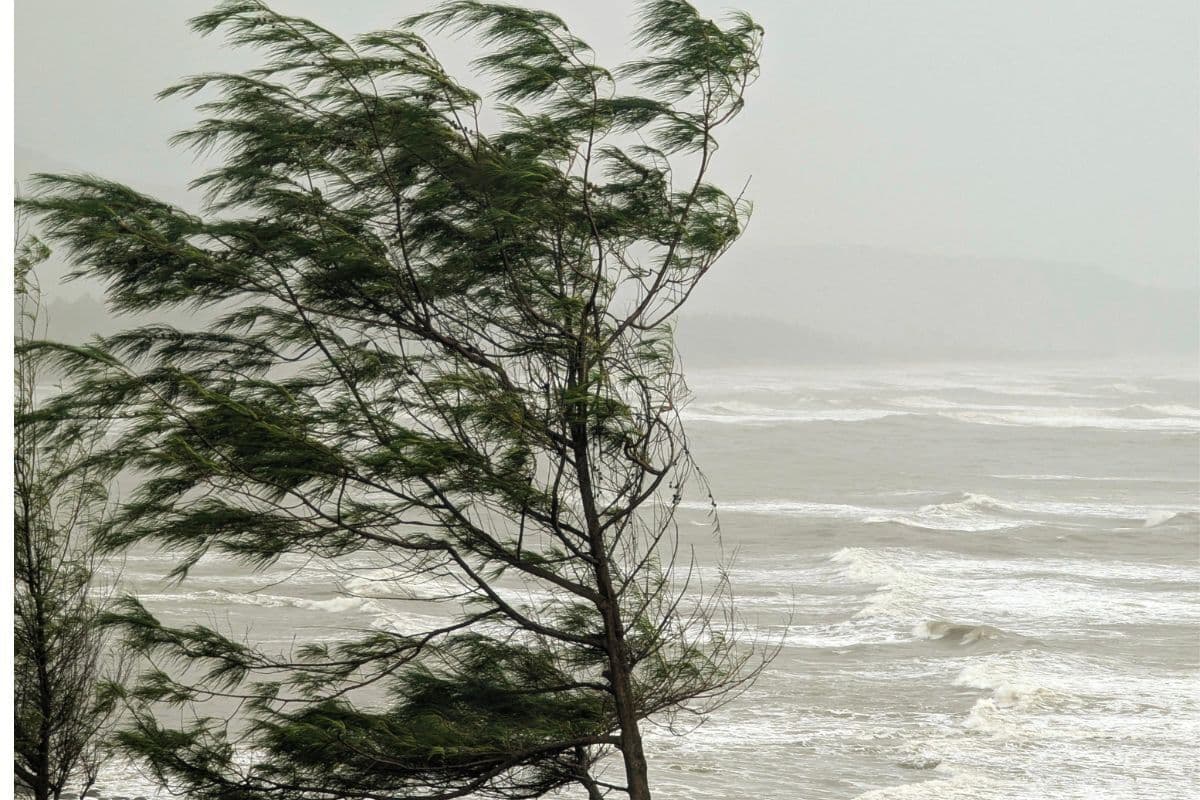
Weather Alert: Morning Fog and Fresh Coastal Winds to Affect Parts of South Africa
Parts of South Africa are expected to experience morning fog and fresh coastal winds, impacting driving visibility and marine conditions. Residents and commuters are advised to exercise caution as localized details unfold.
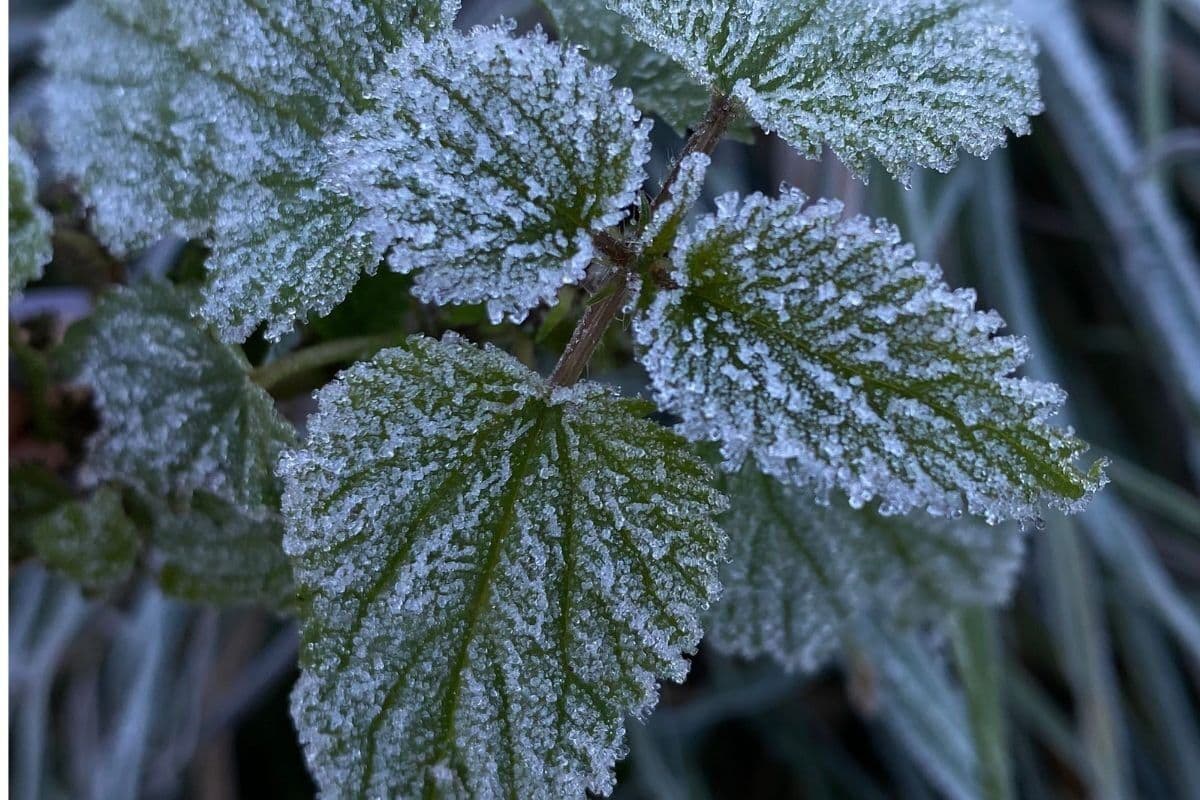
Late-Winter Chill: Morning Frost and Cloudy Conditions Set to Hit One South African Province
A newly developing weather system is expected to bring morning frost and cloudy conditions to one South African province. While the specific province remains unconfirmed, residents and farmers are advised to prepare for a sudden mid-August temperature drop.