WEATHER: Fog and Cooler Temperatures Set to Sweep Across South Africa This Week
South Africa is bracing for a shift in weather patterns as fog and cooler temperatures set in across the country this week. While specific regional details remain limited, residents are advised to prepare for reduced visibility and colder conditions.
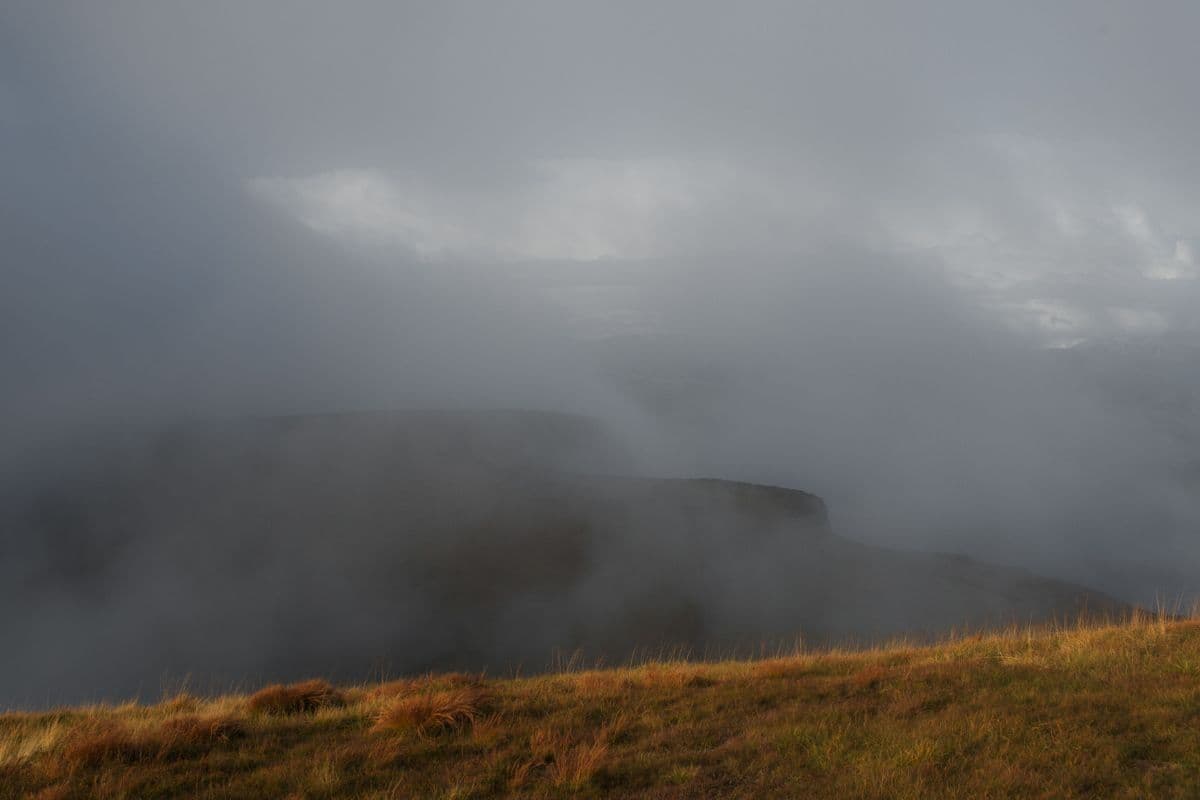
South Africans are preparing for a noticeable shift in weather patterns as fog and cooler temperatures set in across the country this week. According to reports emerging on 23 August 2026, the transition brings a distinct cooling trend, marking a change in the daily conditions experienced by residents across various regions.
The primary details confirmed at this stage indicate that the weather shift will be characterized by widespread fog and a drop in temperatures. While the initial reports highlight that these cooler conditions are setting in across South Africa, specific regional breakdowns and the exact degree of the temperature drop have not been fully detailed in the preliminary alerts. This broad advisory suggests that multiple provinces will feel the impact of the cooler front as the week progresses.
Late August in South Africa typically represents a transitional period as the country begins to move away from the core winter months. During this time, the collision of different air masses often results in sudden weather changes, including the morning fog and cloudy skies highlighted in recent seasonal imagery. The onset of cooler temperatures this week serves as a reminder that winter has not yet completely cleared, and motorists and residents alike must remain prepared for sudden changes in visibility and warmth.
One of the most significant practical implications of the incoming fog is its impact on road safety and transport. Morning fog can drastically reduce visibility on major South African highways and suburban roads, requiring extra caution from drivers. Traffic authorities generally advise motorists to reduce their speed, maintain a safe following distance, and use fog lights or low-beam headlights to ensure they are visible to other road users during early morning commutes.
Alongside the reduced visibility, the cooler temperatures will require residents to adjust their daily routines and energy usage. While the precise minimum and maximum temperatures for the week remain unspecified in the initial reports, a general cooling trend across the country usually prompts an increase in the use of heating appliances. This, in turn, draws attention to domestic energy consumption during peak hours as South Africans adapt to the chillier conditions.
Because the initial trend data does not specify which exact provinces will experience the heaviest fog or the most severe temperature drops, residents are left waiting for localized updates. It remains unclear whether coastal regions will experience the same level of cooling as the inland provinces, or if high-lying areas will see frost alongside the fog. This lack of specific localized data underscores the importance of monitoring official meteorological updates as the week unfolds.
As South Africa navigates this cooler and foggier week, staying informed is key to managing the daily disruptions. Residents are encouraged to keep a close eye on local weather forecasts and official advisories for real-time updates on temperature changes and visibility warnings. Taking proactive measures, such as planning travel routes with potential delays in mind and keeping warm, will help ensure safety and comfort during this transitional weather phase.
Reporting record
How this story was produced
This article was AI-generated from the frozen trend evidence and passed deterministic quality and safety gates. No cross-provider evidence review or independent human verification is claimed for this record.
- Byline
- Newstrends AI Newsroom
- First published
- Last material update
- No later material update recorded
- Distinct source identifiers
- 1 retained source identifier
Frozen source links for this publication
Chronology
Story timeline
A generated chronology for orientation; dates and details may require source verification.
Update
Initial reports emerge warning of incoming fog and cooler temperatures across South Africa for the week ahead.
Reader file
Frequently asked questions
01Which areas in South Africa will be most affected by the fog and cold weather?
The initial reports indicate that the cooler temperatures and fog will set in across South Africa. However, specific provincial breakdowns and localized forecasts have not yet been detailed.
02How should motorists drive in the expected foggy conditions?
Motorists are advised to exercise extreme caution by reducing their speed, keeping a safe following distance, and utilizing low-beam headlights or fog lights to improve visibility.
Keep reading
Related coverage
More published reporting connected to this story.
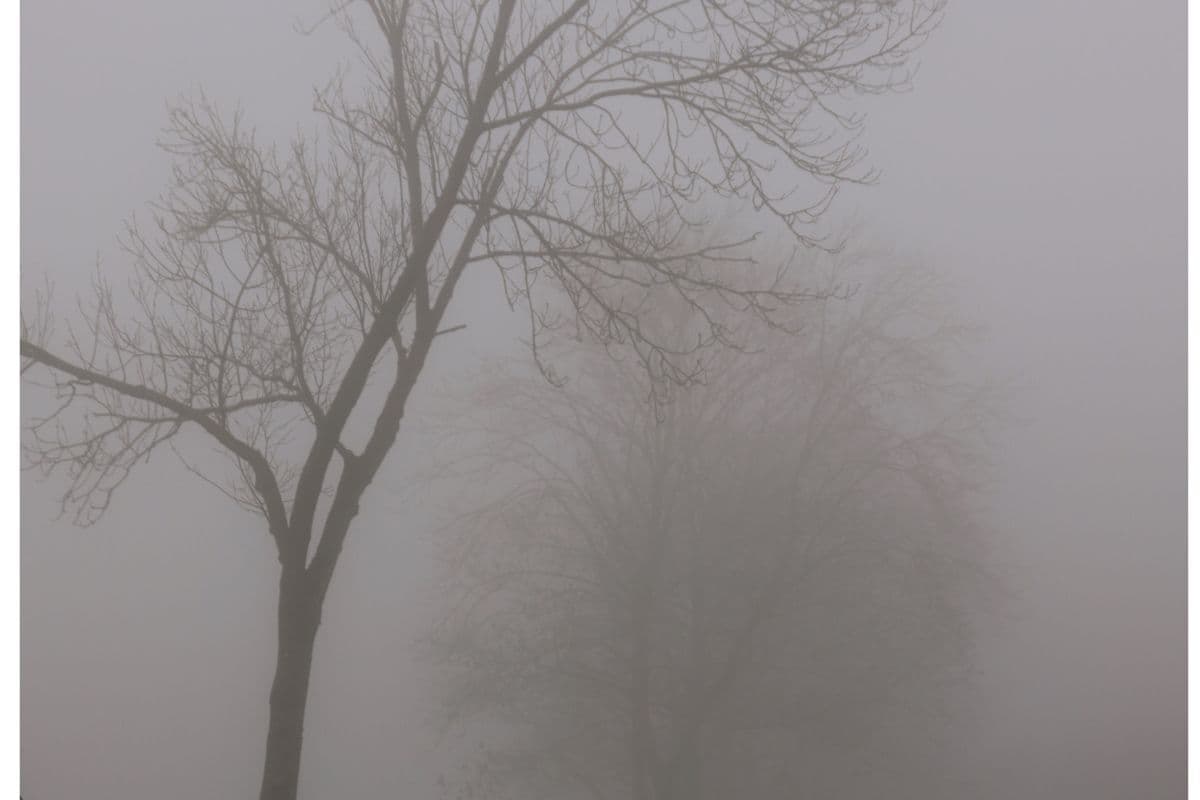
South Africa Weather: Fine Conditions Expected as Fog and Clouds Hit Parts of the Country
South Africans are experiencing a mix of fine weather conditions alongside localized fog and cloud cover. While some regions enjoy clear skies, others face reduced visibility as the country navigates late-winter transitional weather.
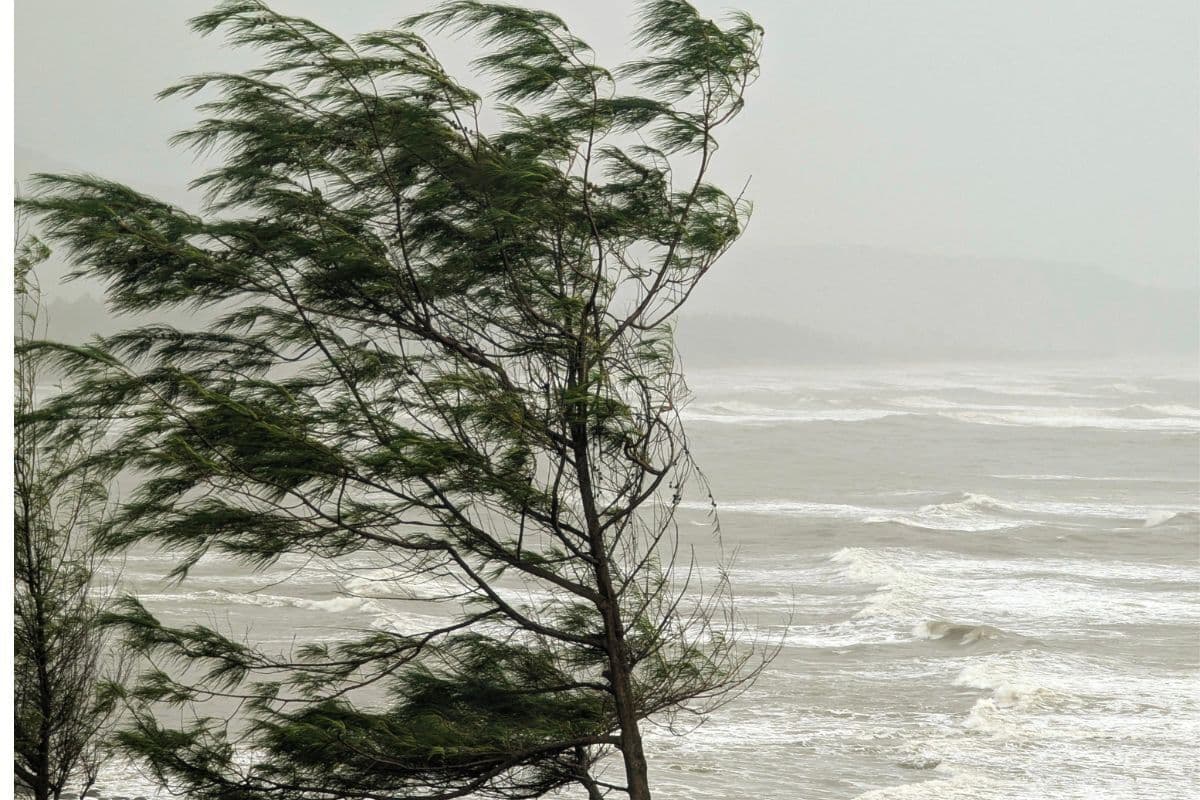
Weather Alert: Morning Fog and Fresh Coastal Winds to Affect Parts of South Africa
Parts of South Africa are expected to experience morning fog and fresh coastal winds, impacting driving visibility and marine conditions. Residents and commuters are advised to exercise caution as localized details unfold.

Frost and fog patches set to blanket parts of South Africa
Weather alerts indicate that morning frost and thick fog patches are set to blanket several parts of South Africa. Residents and motorists are advised to exercise caution as late-winter conditions impact visibility and temperatures.
Fine Weather Expected Across South Africa on Monday, with Rain Possible on Tuesday
South Africans can expect clear and fine weather across the country on Monday, providing a pleasant start to the week. However, a shift in weather patterns may bring rain to several regions by Tuesday.
Partly Cloudy Skies and Isolated Rain Forecast for South Africa
South Africans can expect a combination of partly cloudy conditions and isolated rain showers on Thursday, 20 August 2026. While regional specifics remain unconfirmed, the transitional weather pattern highlights the need for commuter caution.