South Africa Weather: Fine Conditions Expected as Fog and Clouds Hit Parts of the Country
South Africans are experiencing a mix of fine weather conditions alongside localized fog and cloud cover. While some regions enjoy clear skies, others face reduced visibility as the country navigates late-winter transitional weather.
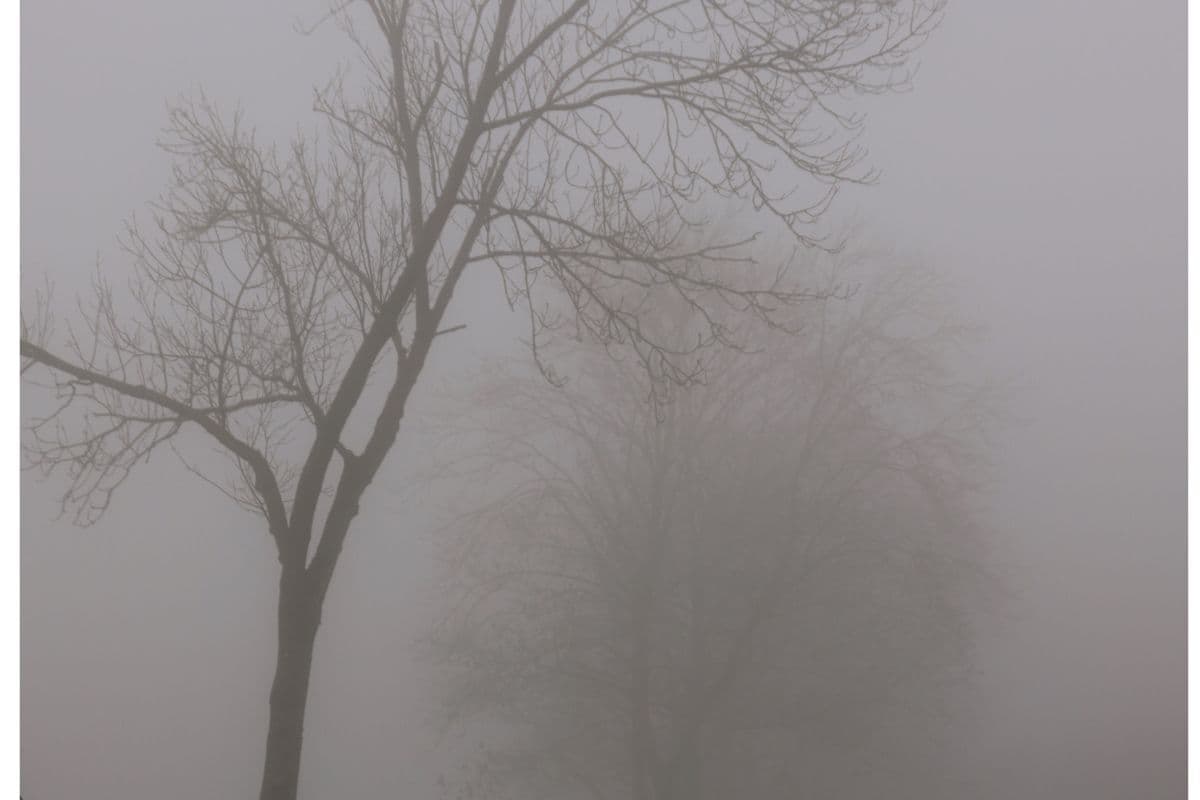
On 22 August 2026, South Africans woke up to a diverse weather outlook as reports emerged of fine conditions contrasting with patches of fog and cloud cover hitting various parts of the country. According to a report published by the local news outlet The South African, the country is experiencing a mix of stable, pleasant weather alongside localized atmospheric disruptions. This dual weather pattern highlights the complex meteorological conditions often seen across South Africa's diverse geographical landscape.
The primary highlight of the weather update is the coexistence of fine conditions alongside fog and clouds. In meteorological terms, fine conditions typically refer to clear skies, light winds, and generally pleasant weather. However, the simultaneous arrival of fog and clouds in certain areas suggests that while some regions are enjoying clear skies, others are dealing with significantly reduced visibility and overcast conditions. This contrast is a common feature of the country's regional microclimates.
While the report confirms these atmospheric developments, several key details remain unspecified. The initial data does not clarify which specific provinces, cities, or coastal towns are bearing the brunt of the fog and cloud cover. In South Africa, morning fog is frequently observed along the West Coast, the southern coastline, and parts of the interior highveld, including Gauteng and Mpumalanga. However, without official regional breakdowns in the current report, residents across all nine provinces are advised to remain observant.
The practical implications of sudden fog and cloud cover are particularly significant for South African motorists and commuter networks. Fog drastically reduces road visibility, which often leads to hazardous driving conditions on major national highways such as the N1, N2, and N3. Although the source data does not mention specific traffic incidents or road closures, transport safety experts generally advise drivers to switch on their fog lights, maintain a safe following distance, and reduce speed when encountering dense mist.
Similarly, the presence of cloud cover can have a direct impact on daily temperatures and solar energy generation. While fine conditions imply warmth, cloud patches can block sunlight, leading to sudden drops in temperature. For South Africans increasingly relying on solar power systems, localized cloud cover can temporarily reduce energy yields. Because the report does not provide specific temperature readings or hourly forecasts, residents will need to prepare for fluctuating conditions throughout the day.
The timing of this weather pattern is highly consistent with the seasonal transition in South Africa. Late August marks the final stretch of the winter season as the country prepares to transition into spring. During this period, the clash between cold maritime air masses and warming land temperatures frequently results in the formation of low-level clouds and thick morning fog, which often clears up by afternoon to reveal the fine conditions mentioned in the report.
The weather update, tracked through RSS signals from The South African, serves as a reminder of how quickly local conditions can shift. Because meteorological forecasts are subject to rapid changes, relying on real-time updates is crucial. What remains to be seen is whether the South African Weather Service (SAWS) will issue formal alerts or advisories for coastal navigation or aviation, both of which are highly sensitive to sudden fog and cloud build-ups.
In conclusion, while much of South Africa can look forward to generally pleasant and fine weather, the localized presence of fog and clouds requires a degree of caution and adaptability. As further details emerge regarding the exact regions affected, citizens should keep a close eye on regional updates. For now, the country remains under a mixed weather envelope, blending the warmth of late winter sun with the cool, misty reminders of the passing season.
Reporting record
How this story was produced
This article was AI-generated from the frozen trend evidence and passed deterministic quality and safety gates. No cross-provider evidence review or independent human verification is claimed for this record.
- Byline
- Newstrends AI Newsroom
- First published
- Last material update
- No later material update recorded
- Distinct source identifiers
- 1 retained source identifier
Frozen source links for this publication
Chronology
Story timeline
A generated chronology for orientation; dates and details may require source verification.
Update
The South African publishes an update reporting a combination of fine weather, fog, and cloud cover across parts of the country.
Reader file
Frequently asked questions
01Which parts of South Africa are currently affected by the fog and clouds?
The initial reports do not specify the exact provinces or cities affected. Residents across all regions are advised to monitor local meteorological updates.
02What should motorists do when encountering fog on South African roads?
Drivers are advised to reduce their speed, maintain a safe following distance, and use fog lights to ensure safety during periods of low visibility.
Keep reading
Related coverage
More published reporting connected to this story.
Weather Alert: Morning Fog and Fresh Coastal Winds to Affect Parts of South Africa
Parts of South Africa are expected to experience morning fog and fresh coastal winds, impacting driving visibility and marine conditions. Residents and commuters are advised to exercise caution as localized details unfold.
Weather Update: What South Africans Can Expect This Sunday
A national weather update has been published ahead of Sunday, prompting South Africans to check regional forecasts. While broad alerts are circulating, residents are advised to monitor localized reports for specific temperature and rainfall details.
Sunday weather update published: What South Africans need to know ahead of the weekend's close
South Africans planning their Sunday activities are looking to the latest meteorological forecasts following a weather update published by national media. While specific regional temperatures and rain projections remain unconfirmed in initial alerts, the update highlights the ongoing importance of daily weather tracking.
Frost and fog patches set to blanket parts of South Africa
Weather alerts indicate that morning frost and thick fog patches are set to blanket several parts of South Africa. Residents and motorists are advised to exercise caution as late-winter conditions impact visibility and temperatures.
Thursday’s Weather: Fine and Cool Conditions with Showers Forecast for Parts of South Africa
South Africans can expect a combination of fine, cool weather and localized showers on Thursday, 6 August 2026. While the exact regional breakdown remains unspecified, the transitional August weather highlights the need for cautious driving and layered clothing.