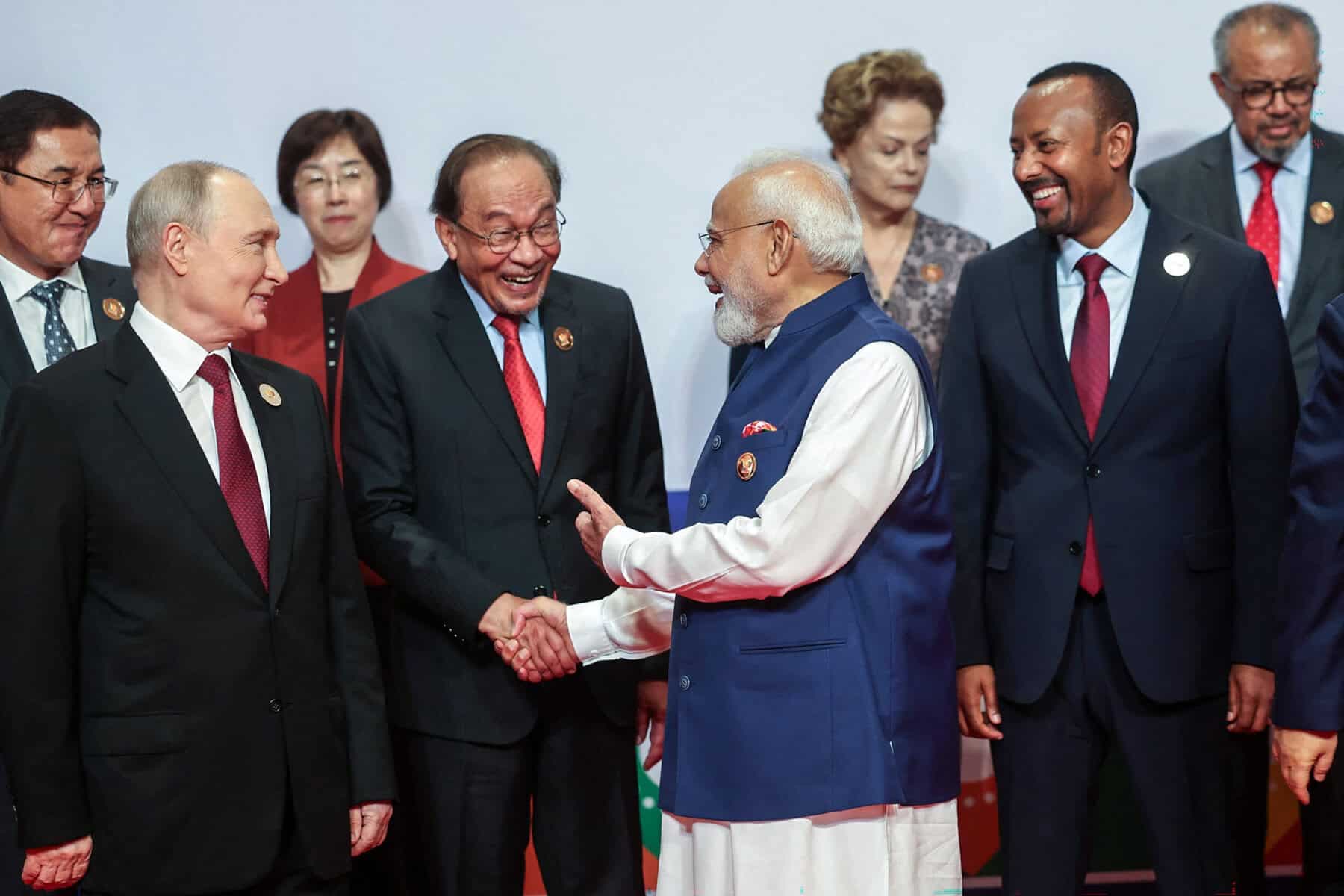
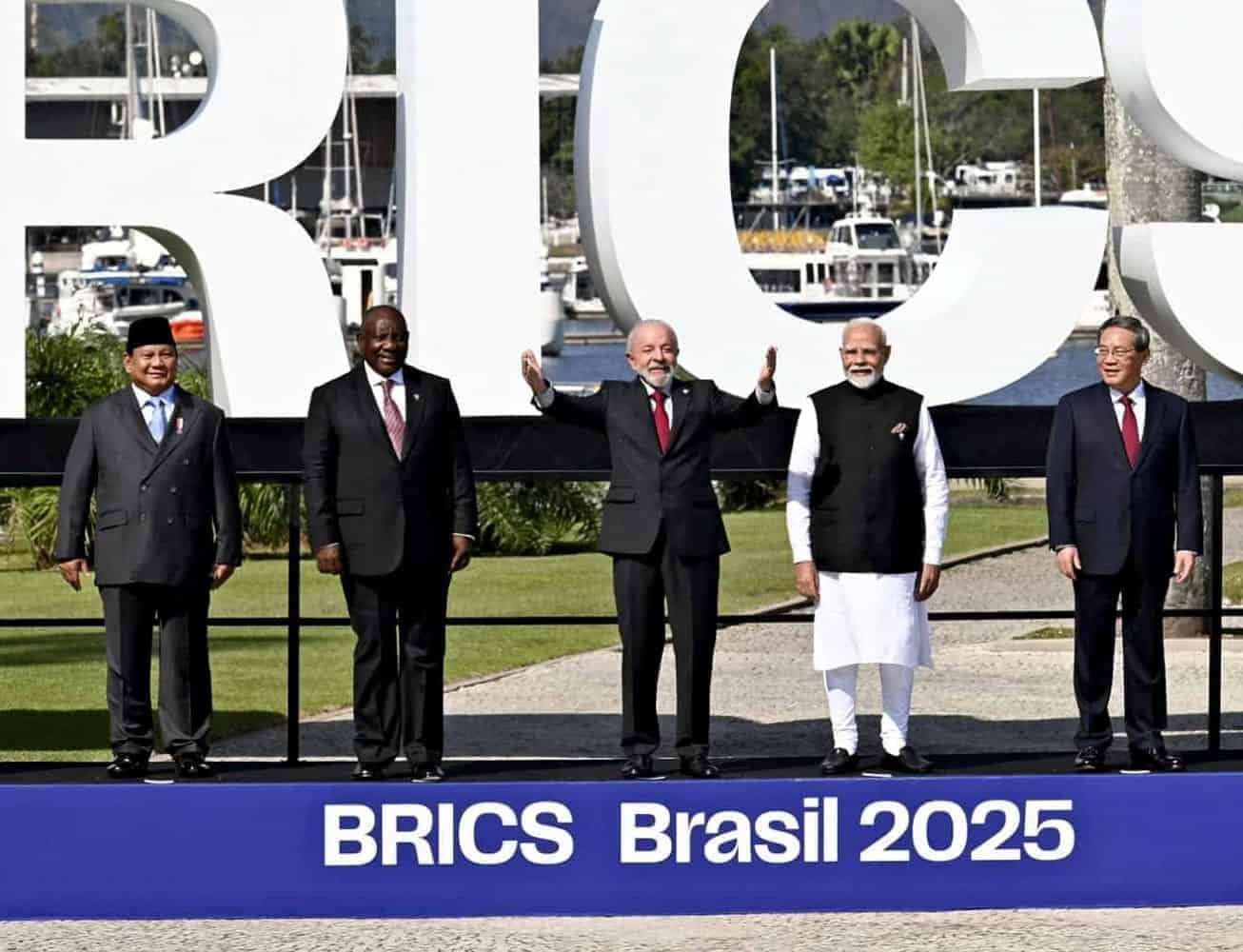
South African media has turned its focus toward the complex geopolitical dynamics within the BRICS bloc, following the publication of a key analytical report on 18 September 2026. The analysis, published by the South African news outlet The Citizen, examines how India’s long-standing foreign policy principle of "strategic autonomy" has directly influenced and shaped the latest BRICS declaration. This development highlights the ongoing negotiations and diplomatic balancing acts that define the cooperative framework of the emerging economic bloc, which includes South Africa as a key partner.
The report emerges at a critical time for global diplomacy, as BRICS member nations continue to seek common ground on international trade, security, and development. For South African observers, the focus on India's role is highly relevant. As the bloc expands and seeks to position itself as a counterweight or alternative to traditional Western-dominated institutions, the internal negotiations between its founding members reveal the diverse and sometimes competing national interests that must be harmonised in every joint declaration.
At the heart of the discussion is India's concept of strategic autonomy. This diplomatic posture dictates that India maintains its independent decision-making power on the global stage, refusing to align itself exclusively with any single superpower or geopolitical bloc. By exercising this autonomy, India ensures it can maintain robust partnerships with Western nations, such as the United States and members of the European Union, while simultaneously participating actively in groupings like BRICS alongside Russia and China.
According to the perspective highlighted in the South African press, this autonomous stance has played a pivotal role in shaping the language and commitments of the BRICS declaration. In joint summits, the final declaration represents a consensus document. India’s insistence on strategic autonomy means that the final text must balance the more adversarial positions of some members towards the West with India’s preference for a multipolar world order that does not force nations to choose sides.
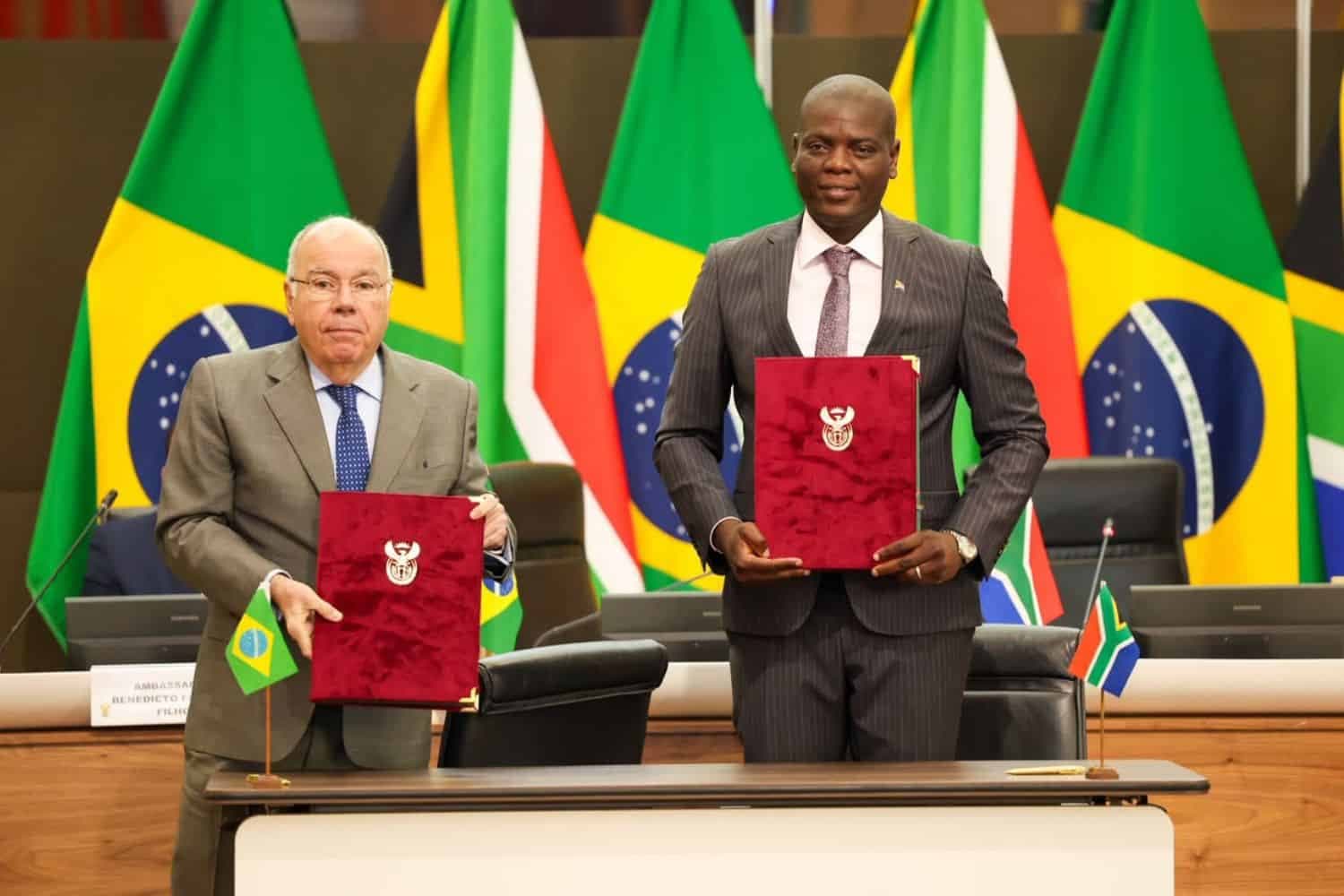
For South Africa, which often finds itself navigating similar diplomatic tightropes, India’s approach offers a significant case study. South Africa has historically advocated for non-alignment and multilateralism, seeking to maintain strong economic ties with both Western markets and its BRICS partners. Understanding how India successfully protects its national interests and shapes collective BRICS policies without alienating its global partners is of vital interest to South African diplomats and policy analysts.
While the initial reports from The Citizen draw clear attention to the influence of India's strategic autonomy, several specific details regarding the negotiation process remain undisclosed. The exact clauses of the declaration that underwent the most intense debate, the specific compromises made between India and other major players like China or Russia, and the precise economic or security agreements reached in this round have not been fully detailed in the current trend data.
What remains clear, however, is that the cohesion of the BRICS bloc relies heavily on its ability to accommodate the diverse foreign policy strategies of its members. Rather than acting as a rigid alliance, BRICS functions as a platform where nations with differing global outlooks can find mutual benefit. India’s active shaping of the declaration underscores that the bloc's strength lies in its flexibility and its capacity to respect the individual sovereignty and strategic priorities of each member state.
As the global political landscape continues to evolve, South African citizens and international observers will be watching closely to see how these diplomatic principles translate into practical outcomes. The ongoing discussions around the BRICS declaration will likely influence future trade agreements, geopolitical alignments, and the overall stability of the multilateral system. The ability of member states to maintain their strategic autonomy while fostering deeper cooperation will be the ultimate test of the bloc's long-term viability.