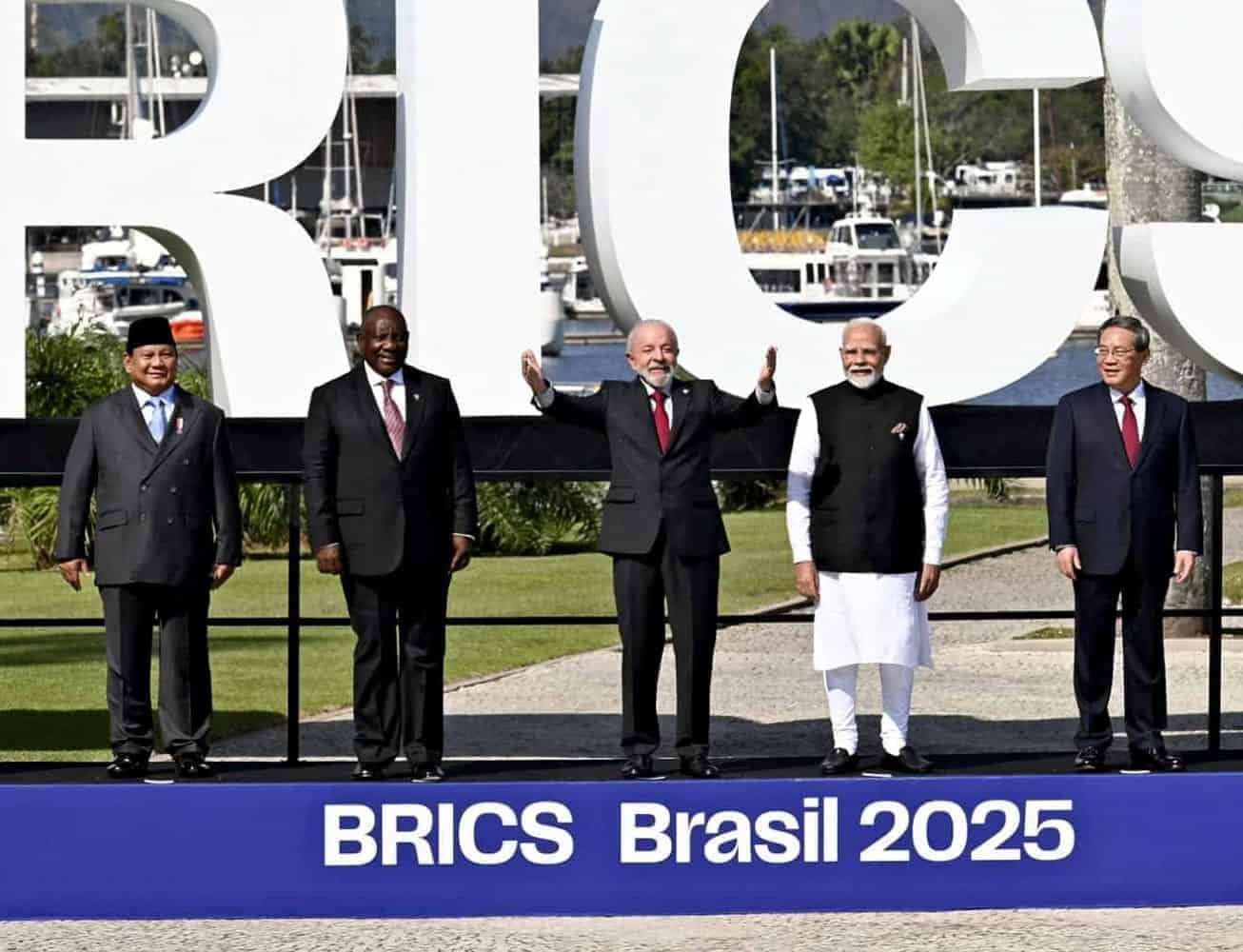
The question of whether South Africa’s membership in the BRICS bloc truly benefits its ordinary citizens has once again taken centre stage in national discourse. Following a prominent feature published by local news outlet The Citizen on 28 July 2026, South Africans are actively debating the real-world value of this high-profile geopolitical alliance. While the government frequently champions BRICS as a crucial vehicle for economic growth and global influence, the tangible rewards for the average person on the street remain highly contested.
South Africa officially joined the group—originally consisting of Brazil, Russia, India, and China—with the goal of strengthening South-South cooperation and amplifying the voice of the African continent in global affairs. Over the years, this membership has positioned the country as a key diplomatic player on the international stage. However, as domestic economic pressures such as high unemployment, persistent load shedding, and rising living costs continue to affect households, the disconnect between global diplomacy and local reality has become a focal point for public scrutiny.
At the heart of the debate is the economic relationship between South Africa and its BRICS partners. Supporters argue that the bloc opens up vast export markets, particularly in rapidly growing economies like China and India. These relationships are theoretically supposed to stimulate local industries, boost manufacturing, and create sustainable jobs. However, critics point out that the trade dynamics are often asymmetrical. South Africa frequently exports raw primary commodities while importing high-value manufactured goods, a pattern that some economists argue does not foster significant domestic job creation.
Another major pillar of BRICS membership is access to the New Development Bank (NDB). The NDB was established to provide an alternative source of funding for infrastructure and sustainable development projects in emerging economies, free from some of the stringent conditionalities historically associated with Western-dominated financial institutions. While South Africa has received funding for various state-owned enterprises and infrastructure initiatives, the direct benefit of these loans to everyday citizens remains unclear. The public is increasingly questioning whether these projects are managed transparently and if they will ultimately lead to improved public services.
Geopolitically, BRICS membership undoubtedly elevates South Africa's diplomatic standing, allowing the country to advocate for the reform of global institutions like the United Nations and the International Monetary Fund. Proponents argue that a more equitable global order indirectly benefits South Africans by creating a more stable and fair international environment. On the other hand, skeptics argue that geopolitical prestige does little to address immediate domestic crises. For a citizen struggling with daily service delivery failures, the abstract benefits of global governance reform can feel secondary to pressing local needs.
The ongoing discussion highlighted by the media underscores a broader challenge: the lack of definitive, easily measurable metrics to quantify how international treaties impact individual household wealth. Without clear, accessible data linking BRICS agreements directly to local employment statistics or poverty reduction, the debate is likely to remain polarised. Analysts suggest that for the alliance to win undivided public support, there must be a more transparent demonstration of how high-level bilateral agreements translate into local community development.
Moving forward, the South African government will likely face increased pressure to justify its foreign policy choices through the lens of domestic recovery. As citizens become more vocal about their economic expectations, the focus will inevitably shift from diplomatic summits to measurable local outcomes. Whether BRICS can transition from a powerful geopolitical forum into a visible engine for local prosperity is a question that South Africans will continue to monitor closely in the coming years.