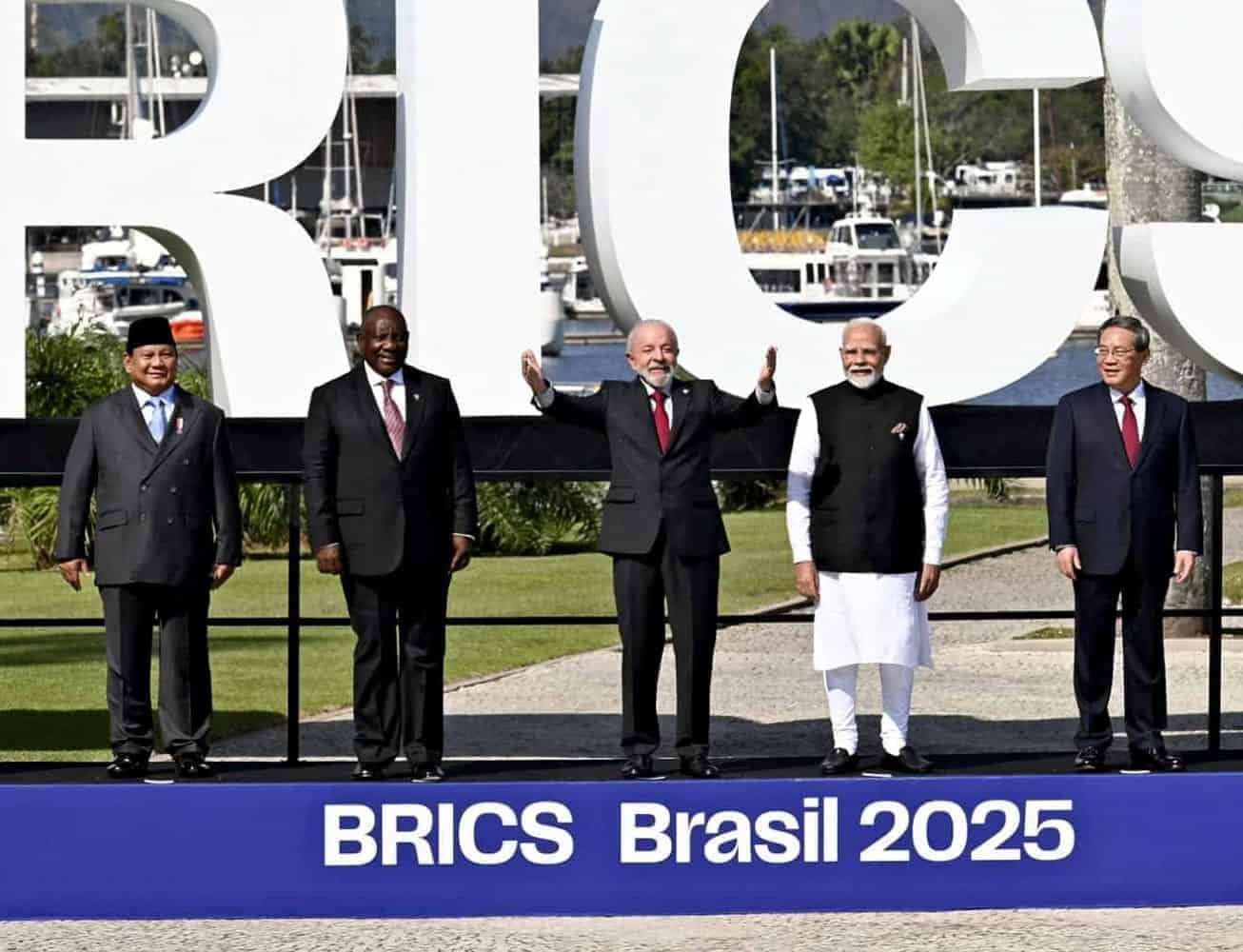
On 5 August 2026, South African media outlet The Citizen published analysis highlighting a collaborative push within the BRICS bloc to pool medical expertise. The initiative, framed as a crucial step toward achieving universal health coverage, aims to build systemic resilience across member nations. As South Africa and its partners navigate complex domestic healthcare challenges, this multilateral approach suggests a renewed focus on shared solutions for public health systems.
The concept of universal health coverage remains a central pillar of social and economic policy, particularly within the South African context. While the trend data originates from a singular report on the pooling of BRICS expertise, the broader implications for South African citizens are significant. Access to equitable healthcare has been a long-standing debate in the country, and any international alignment that promises to bolster local capacity is met with keen interest by policy analysts and the public alike.
According to the tracked discourse, the primary mechanism of this health initiative is the pooling of expertise among BRICS member states. In practice, such cooperation typically involves sharing clinical research, regulatory frameworks, and technological innovations. However, the specific protocols, bilateral agreements, and technological platforms that will facilitate this exchange remain unspecified in the current data. What is clear is that the participating nations are looking to leverage their collective knowledge to build a more resilient framework against future health crises.
As a factual newsroom, we must highlight that several key details of this BRICS health initiative are currently absent from the available reports. It remains unclear which specific medical fields will be prioritised first, whether there will be direct funding commitments from member state treasuries, or how this pooling of expertise will practically interface with South Africa's existing provincial and national health structures. Furthermore, the exact timeline for implementing these cooperative measures has not been publicly detailed.
Despite these missing details, the strategic alignment of BRICS countries on health matters is highly significant. The bloc represents a substantial portion of the global population and includes nations with massive pharmaceutical manufacturing capabilities, such as India and China, alongside countries facing unique epidemiological profiles like South Africa. By pooling expertise, these nations theoretically reduce their reliance on Western-dominated health supply chains, thereby enhancing their collective sovereignty and resilience.
For South Africa, participating in a BRICS-led health resilience framework could provide vital support for national health initiatives. The sharing of expertise could assist local authorities in addressing systemic bottlenecks, improving drug procurement processes, and training healthcare professionals. However, without concrete policy documents or official government statements outlining South Africa's specific role and commitments, the local impact remains a subject of ongoing observation.
Moving forward, observers should watch for official communiqués from the South African Department of Health and the upcoming BRICS ministerial meetings. These forums are expected to provide the concrete details currently missing from the public discourse, including implementation frameworks, budget allocations, and specific partnership agreements. Until then, the prospect of pooled BRICS expertise serves as a promising but broad vision for the future of universal health coverage.