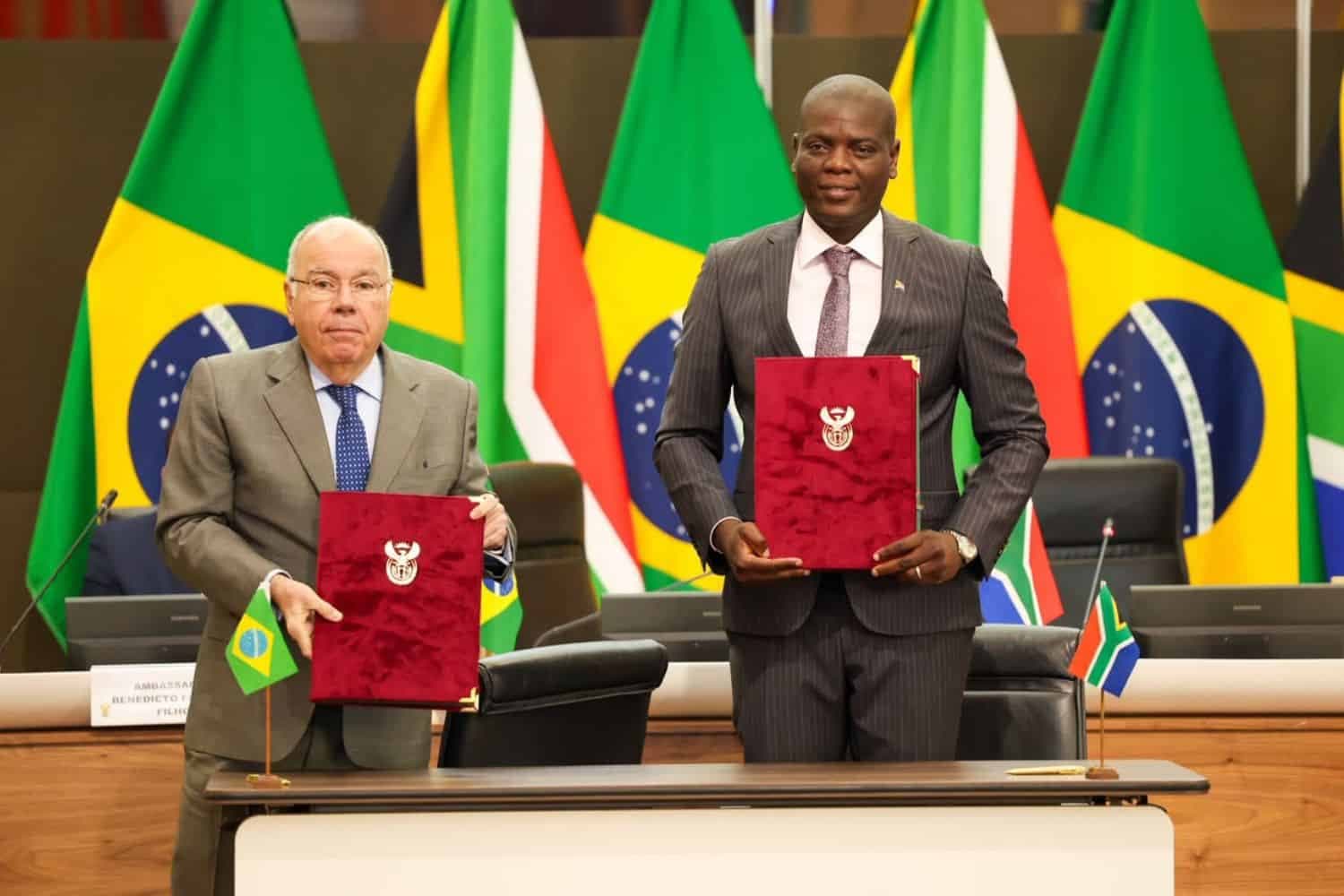
A fresh call has emerged for the BRICS bloc of nations to foster closer cooperation in developing climate-resilient infrastructure. According to reports published by the Weekend Argus and Independent Online (IOL) on 11 September 2026, the urge for collaborative action highlights a growing consensus among member states that economic growth must be safeguarded against the escalating threats of climate change. As South Africa navigates its own infrastructure challenges, the regional significance of this development is drawing close attention from local policy analysts and environmental advocates alike.
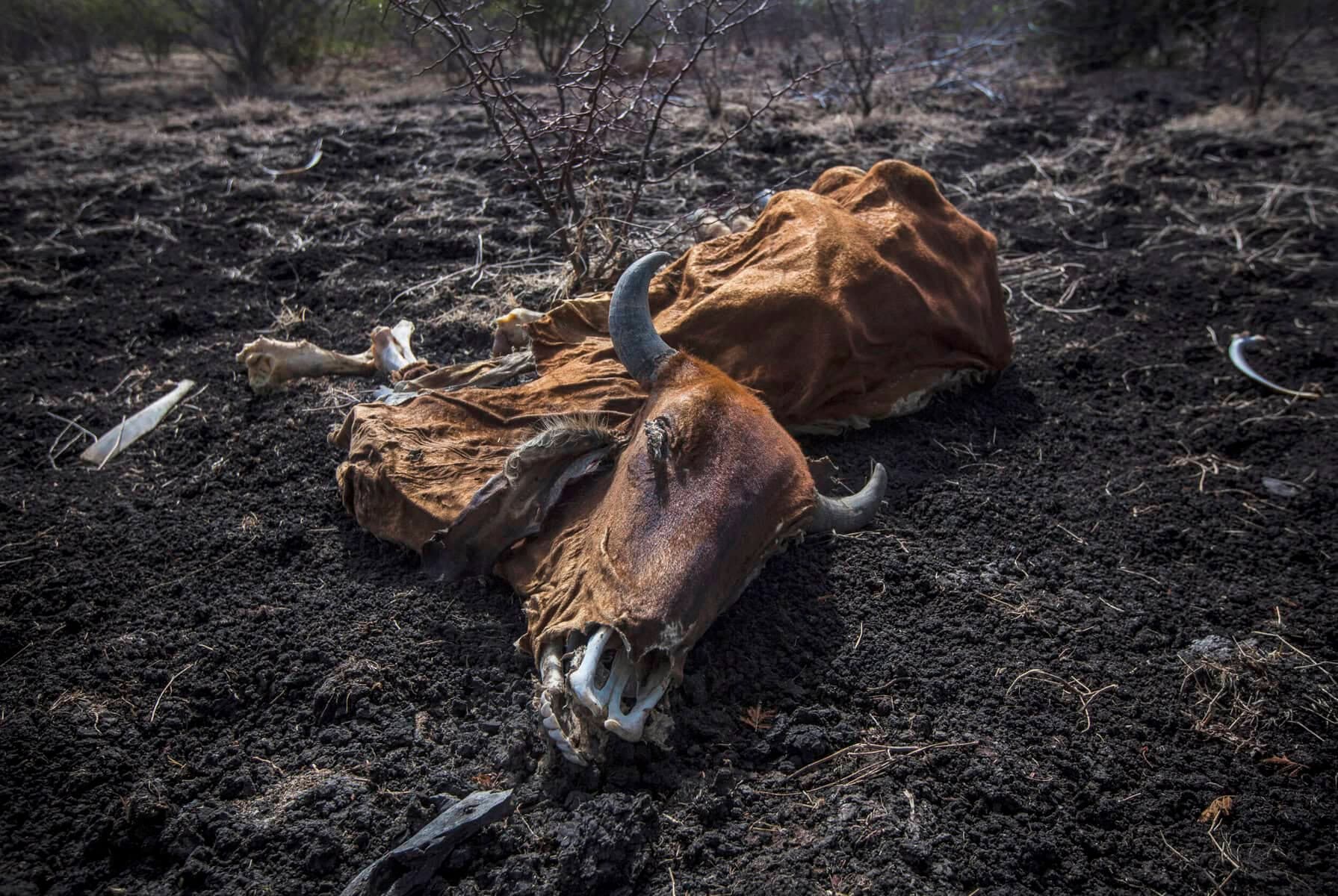
The primary focus of the appeal centers on the collective capacity of the BRICS nations—originally comprising Brazil, Russia, India, China, and South Africa, and recently expanded—to share technological expertise, engineering standards, and financial resources. By aligning their strategies, these developing economies aim to construct public works that can withstand extreme weather events, such as severe flooding, prolonged droughts, and intense heatwaves, which have increasingly disrupted economic stability across the global South.
While the core message of the urge is clear, many specific details regarding the proposal remain undisclosed. The initial reports did not specify which particular government officials, ministries, or international delegates spearheaded this call, nor did they outline any immediate, legally binding treaties. In the absence of detailed policy documents or direct quotes from state representatives, observers are left to piece together how this cooperative framework will transition from high-level diplomatic rhetoric into practical, on-the-ground engineering projects.
For South Africa, the push for climate-resilient infrastructure is particularly relevant. In recent years, the country has experienced firsthand the devastating impact of climate-related disasters on its public utilities, transport networks, and housing sectors. Collaborative efforts within the BRICS framework could theoretically offer South Africa access to advanced construction methodologies and alternative funding mechanisms, such as those aligned with the New Development Bank (NDB), which has previously prioritized sustainable development projects.
However, the practical implications of such international cooperation depend heavily on implementation. Analysts point out that for South Africa to benefit from a joint BRICS infrastructure initiative, local municipalities and national departments must first address existing structural inefficiencies. Without robust local governance and clear regulatory frameworks, international partnerships and shared technologies may struggle to find traction on the ground, leaving vulnerable communities exposed to ongoing climate risks.
What remains unclear is the exact financial commitment each BRICS member is expected to contribute to this joint effort. Building infrastructure that is resilient to climate change typically requires significant upfront capital compared to traditional construction methods, even if it saves costs in the long term. Whether this cooperation will involve direct capital injections, joint research ventures, or simply the sharing of best practices is a critical detail that has yet to be officially clarified by the participating governments.
Looking forward, the next steps for South African observers will involve monitoring upcoming BRICS ministerial meetings and working group sessions. These platforms are expected to provide the necessary clarity on whether this call to action will materialize into concrete policy frameworks. Furthermore, stakeholders will be watching to see if the New Development Bank announces new financial instruments specifically tailored for climate-resilient municipal projects in South Africa and other member nations.
Ultimately, the urge for BRICS nations to work together on climate-resilient infrastructure underscores a shared vulnerability among some of the world's largest emerging economies. As climate patterns become increasingly unpredictable, the success of this initiative will be measured not by the diplomatic statements made in international forums, but by the durability of the bridges, roads, and power grids built to withstand the challenges of tomorrow.