High Commissioner Anil Sooklal Cleared by DIRCO Ahead of Return to India
The Department of International Relations and Cooperation (DIRCO) has cleared High Commissioner Anil Sooklal, allowing for his return to India. The announcement marks a significant transition in South Africa's diplomatic relations.
South Africa’s Department of International Relations and Cooperation (DIRCO) has cleared High Commissioner Anil Sooklal, paving the way for his return to India. The development, which came to light on 2 September 2026, represents a significant moment in South African diplomatic relations, although the precise details surrounding the department's clearance process remain largely undisclosed to the public.
According to reports published by The Star via IOL, Sooklal has successfully cleared the administrative or departmental hurdles overseen by DIRCO. As a high-ranking diplomat, Sooklal's status and his subsequent return to India have drawn considerable attention from local observers, highlighting the sensitive nature of international diplomatic assignments and the oversight roles played by state departments.
In the South African government framework, DIRCO is tasked with the formulation, promotion, and execution of the nation's foreign policy. The department oversees the conduct of South Africa's international relations and coordinates with foreign missions. When a high-profile diplomat such as a High Commissioner undergoes a clearance process, it underscores DIRCO's regulatory authority and its responsibility to ensure that all diplomatic representatives adhere to established protocols and standards.
While the official reports confirm that High Commissioner Sooklal has been cleared, they do not specify the exact nature of the inquiry, investigation, or administrative review that preceded this decision. It remains unclear whether the clearance related to administrative, legal, or political matters. In high-level diplomacy, such details are frequently kept confidential to protect the integrity of bilateral relations and the personal privacy of the officials involved.
The role of a High Commissioner is pivotal in maintaining strong bilateral ties, particularly between nations with deep historical and economic connections like South Africa and India. These representatives act as the primary channel of communication between their home governments and host countries. Consequently, any disruption, review, or resolution involving a High Commissioner can have broader implications for ongoing diplomatic initiatives, bilateral trade discussions, and multilateral cooperation.
South Africa and India share a robust strategic partnership, reinforced by their mutual membership in influential global blocs such as BRICS. The two countries have historically collaborated on issues of global governance, trade, and development. Because of these deep-seated ties, the status of key diplomatic personnel is always a matter of national interest for both Pretoria and New Delhi, making Sooklal’s clearance and return a key point of focus for international relations analysts.
As Sooklal prepares for his return to India, several questions remain unanswered for the general public. It is currently unknown who will succeed him in his diplomatic capacity or how the transition of duties will be managed in the interim. Furthermore, observers will be watching closely to see if either DIRCO or the Indian High Commission issues a formal joint statement outlining the transition and reflecting on Sooklal's tenure and the resolution of the clearance.
Ultimately, the resolution of this matter by DIRCO brings a formal close to this chapter of Sooklal's diplomatic service in South Africa. The event highlights the complex, often quiet processes that govern international diplomacy. As South Africa continues to navigate its diverse international partnerships, the stability of its diplomatic missions remains paramount, ensuring that communication lines with major global allies like India remain open and effective.
Reporting record
How this story was produced
This article was AI-generated from the frozen trend evidence and passed deterministic quality and safety gates. No cross-provider evidence review or independent human verification is claimed for this record.
- Byline
- Newstrends AI Newsroom
- First published
- Last material update
- No later material update recorded
- Distinct source identifiers
- 1 retained source identifier
Frozen source links for this publication
Chronology
Story timeline
A generated chronology for orientation; dates and details may require source verification.
Update
Reports emerge confirming High Commissioner Anil Sooklal has been cleared by DIRCO and is returning to India.
Reader file
Frequently asked questions
01Who cleared High Commissioner Anil Sooklal?
He was cleared by South Africa's Department of International Relations and Cooperation (DIRCO).
02What are the details of the clearance?
The specific details, reasons, or nature of the administrative clearance have not been publicly disclosed by DIRCO or diplomatic officials.
03Where is High Commissioner Anil Sooklal going next?
Following his clearance by DIRCO, Sooklal is returning to India.
Keep reading
Related coverage
More published reporting connected to this story.
South Africa and Brazil Cement Bilateral Ties as Lamola Labels Democracy ‘a Work in Progress’
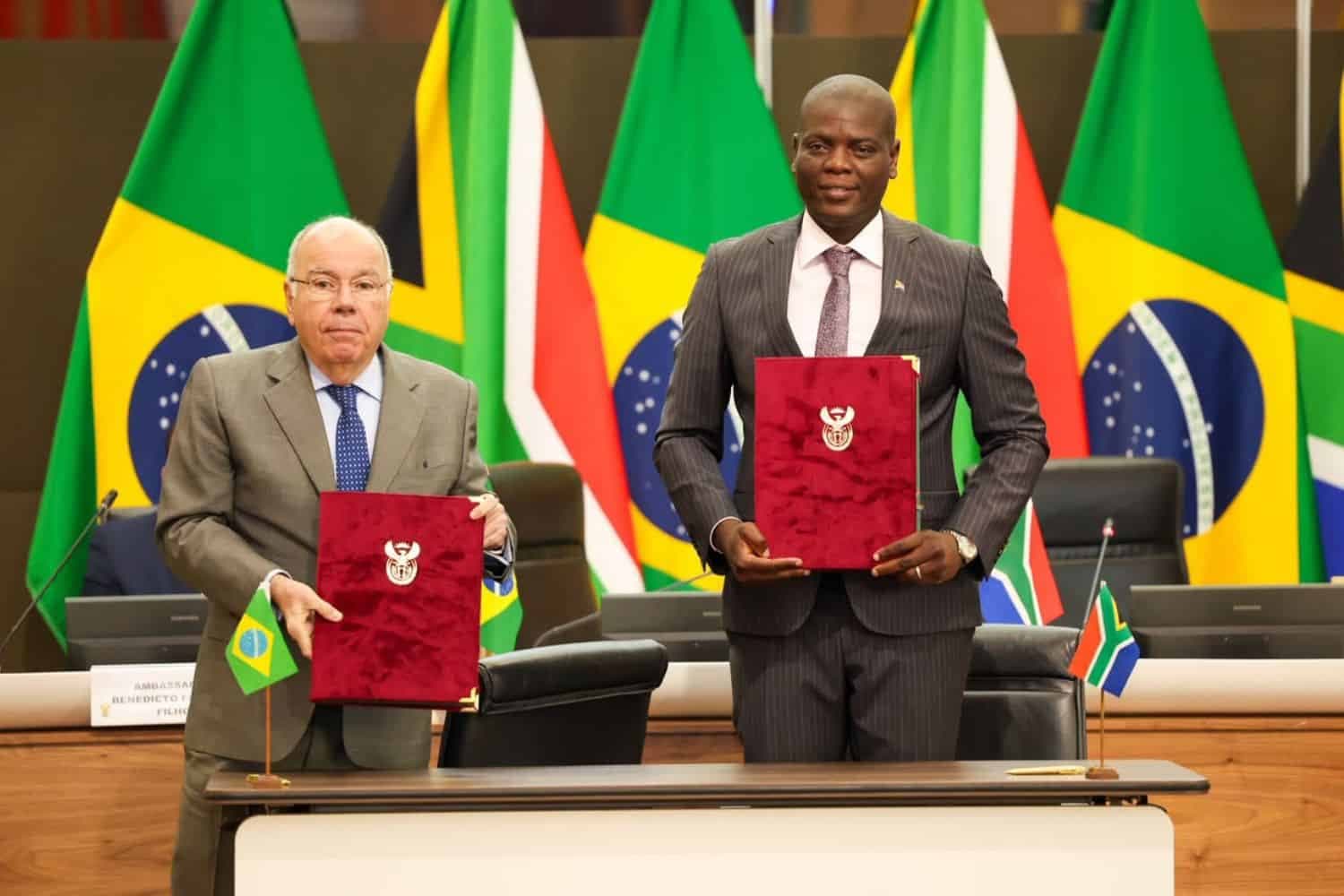
South Africa and Brazil have strengthened their bilateral partnership during recent diplomatic engagements. South African representative Lamola emphasized that democracy remains 'a work in progress' for both nations as they seek closer strategic cooperation.
How Does Repatriation Work in South Africa? The Process Explained
A guide published on 12 August 2026 outlines the complex administrative process of repatriation in South Africa. The procedure involves coordination between DIRCO and Home Affairs, though many operational details and costs remain complex for citizens abroad.
Netanyahu Rejects Gaza Plan in Fresh Diplomatic Break From Trump, Reports IOL
Israeli Prime Minister Benjamin Netanyahu has rejected a proposed plan for Gaza, marking a new political rift with Donald Trump. The development, reported by South African outlet IOL, has sparked significant interest among local foreign policy observers.
South Africa Accuses Israel of Defying Binding ICJ Genocide Orders
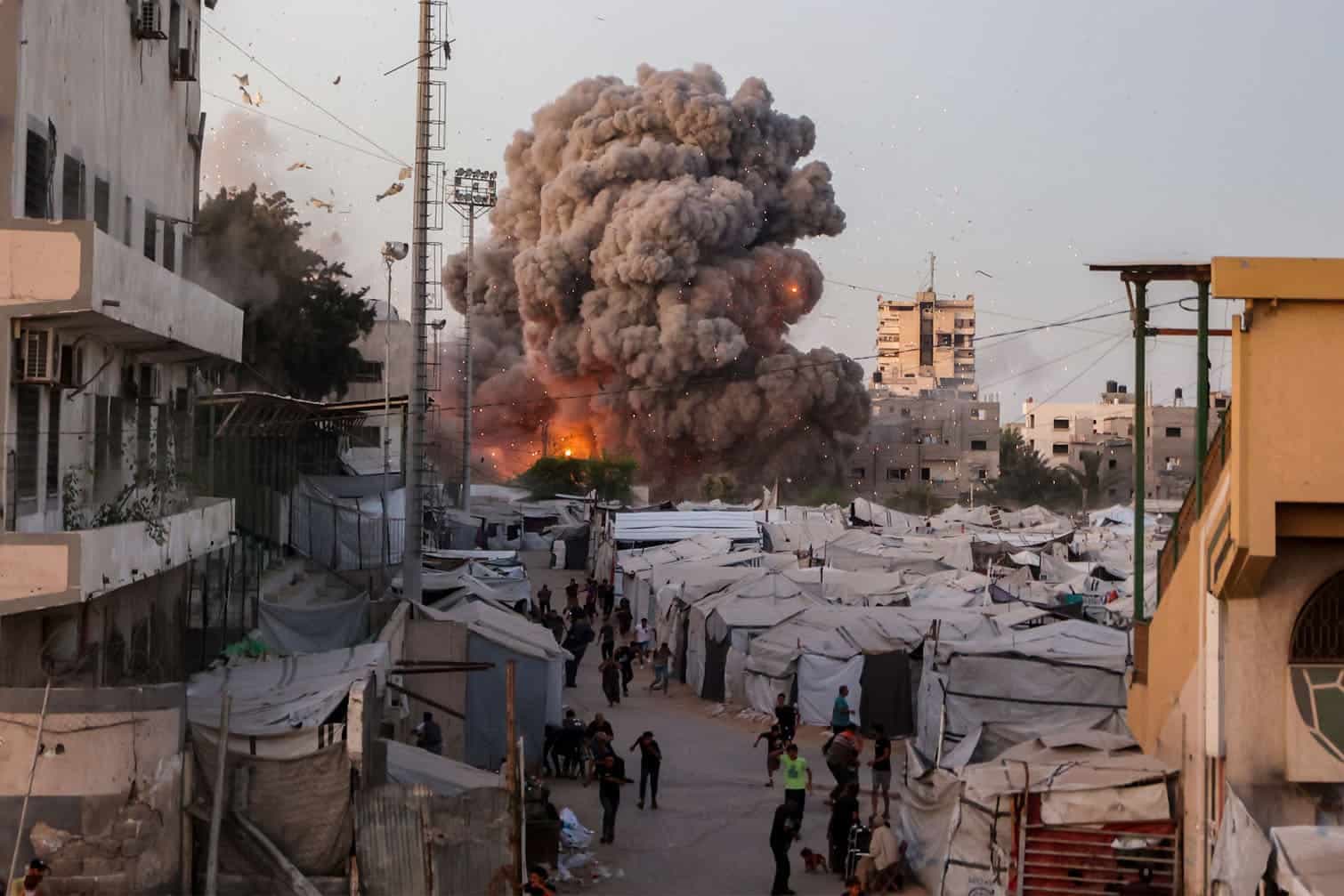
South Africa has formally charged Israel with non-compliance regarding the International Court of Justice's binding orders. This move marks a significant escalation in Pretoria's ongoing international legal campaign, highlighting the growing domestic and global debate over the enforcement of international law.
South Africa Still Awaiting French Report on Death of Nathi Mthethwa, Says Cachalia
South Africa is still waiting for an official report from French authorities regarding the death of Nathi Mthethwa, according to a statement by Cachalia. The delay has highlighted the complex diplomatic processes involved in international investigations of South African figures.