South Africa and Brazil Cement Bilateral Ties as Lamola Labels Democracy ‘a Work in Progress’
South Africa and Brazil have strengthened their bilateral partnership during recent diplomatic engagements. South African representative Lamola emphasized that democracy remains 'a work in progress' for both nations as they seek closer strategic cooperation.
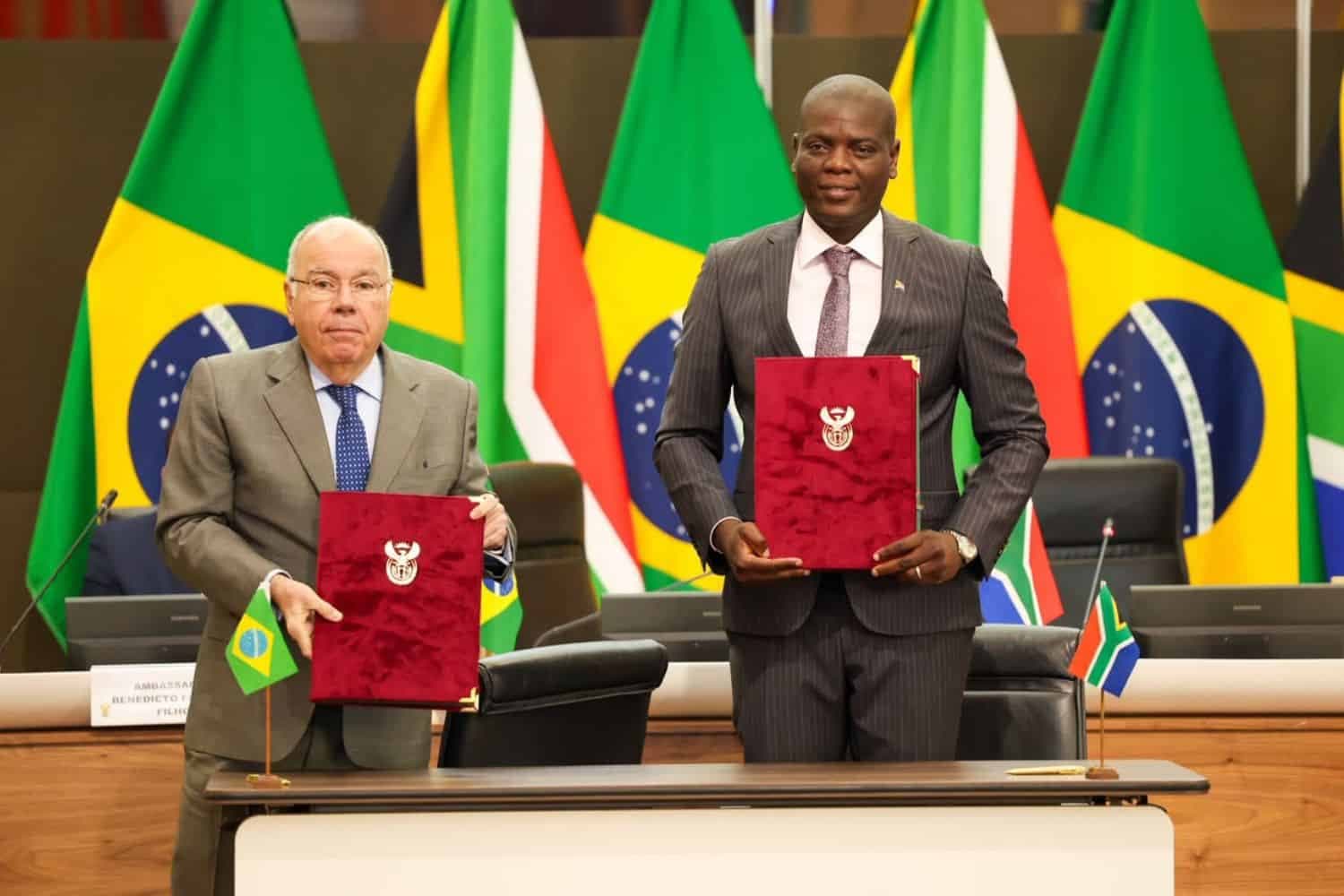
South Africa and Brazil have taken steps to further cement their bilateral partnership, signaling a renewed commitment to diplomatic and strategic cooperation. During recent high-level engagements, South Africa's representative, Lamola, described democracy as "a work in progress." This statement highlights the shared political journeys and ongoing developmental challenges faced by both nations as they seek to strengthen their domestic institutions while navigating an increasingly complex global landscape.
The consolidation of ties between these two regional powerhouses was spotlighted in discussions involving Lamola and Viera. While the specific details of the bilateral agreements and the exact agenda of their meeting remain limited, the engagement underscores a mutual desire to deepen cooperation. This development is particularly significant for South African foreign policy, which has long prioritised strong relations with fellow nations of the Global South.
Lamola’s characterisation of democracy as "a work in progress" serves as a poignant reminder of the shared historical contexts of South Africa and Brazil. Both countries have transitioned from periods of authoritarianism and systemic inequality—apartheid in South Africa and military dictatorship in Brazil—to establish vibrant, diverse democracies. By acknowledging that democracy is an ongoing project, the leadership of both nations signals a shared understanding that governance requires continuous effort, reform, and mutual support.
The partnership between South Africa and Brazil extends beyond bilateral cooperation into the multilateral arena. Both nations are key members of the BRICS grouping, alongside Russia, India, China, and newer member states. Within this framework, South Africa and Brazil have consistently advocated for the reform of global governance institutions, such as the United Nations Security Council and international financial bodies, to ensure fairer representation for developing nations. The strengthening of bilateral ties between Pretoria and Brasília is expected to bolster their joint efforts in these global forums.
From an economic perspective, cementing relations between South Africa and Brazil carries substantial practical implications. As major agricultural and industrial players in their respective regions, enhanced cooperation could unlock new avenues for trade, technology exchange, and investment. Areas such as renewable energy, sustainable agriculture, and aviation have historically been points of mutual interest. However, observers note that the concrete economic outcomes of this latest diplomatic push will depend heavily on the implementation of specific trade agreements, the details of which are still emerging.
Despite the positive diplomatic signaling, several questions remain unanswered. The public has yet to see the precise policy frameworks or bilateral accords that will govern this renewed partnership. Furthermore, both countries face pressing domestic challenges—including economic inequality, infrastructure constraints, and social service delivery issues—which could impact their capacity to execute ambitious foreign policy objectives. How Lamola and Viera plan to balance these domestic realities with their international commitments remains to be seen.
Looking ahead, South Africans and international analysts will be watching closely for the next steps in this bilateral relationship. Key indicators of progress will include the scheduling of formal state visits, the ratification of new trade treaties, and coordinated voting patterns in international forums. As both nations work to perfect their democratic systems, their collaborative efforts will continue to be a crucial focal point for South-South diplomacy.
Reporting record
How this story was produced
This article was AI-generated from the frozen trend evidence and passed deterministic quality and safety gates. No cross-provider evidence review or independent human verification is claimed for this record.
- Byline
- Newstrends AI Newsroom
- First published
- Last material update
- No later material update recorded
- Distinct source identifiers
- 1 retained source identifier
Frozen source links for this publication
Chronology
Story timeline
A generated chronology for orientation; dates and details may require source verification.
Update
Diplomatic reports emerge detailing the cementing of the South Africa-Brazil partnership, with Lamola highlighting democracy as an ongoing process.
Reader file
Frequently asked questions
01What is the main focus of the partnership between South Africa and Brazil?
The partnership focuses on cementing bilateral ties, strengthening diplomatic cooperation, and addressing shared challenges in governance and democracy.
02What did Lamola say about democracy during the engagements?
Lamola described democracy as 'a work in progress,' highlighting that both nations are continuously working to strengthen their democratic institutions.
03Who are the key figures mentioned in the bilateral talks?
The trend data identifies Lamola and Viera as the key figures associated with these diplomatic developments.
Keep reading
Related coverage
More published reporting connected to this story.
How Does Repatriation Work in South Africa? The Process Explained
A guide published on 12 August 2026 outlines the complex administrative process of repatriation in South Africa. The procedure involves coordination between DIRCO and Home Affairs, though many operational details and costs remain complex for citizens abroad.
Netanyahu Rejects Gaza Plan in Fresh Diplomatic Break From Trump, Reports IOL
Israeli Prime Minister Benjamin Netanyahu has rejected a proposed plan for Gaza, marking a new political rift with Donald Trump. The development, reported by South African outlet IOL, has sparked significant interest among local foreign policy observers.
BRICS Nations to Pool Medical Expertise in Push for Universal Health and Resilience
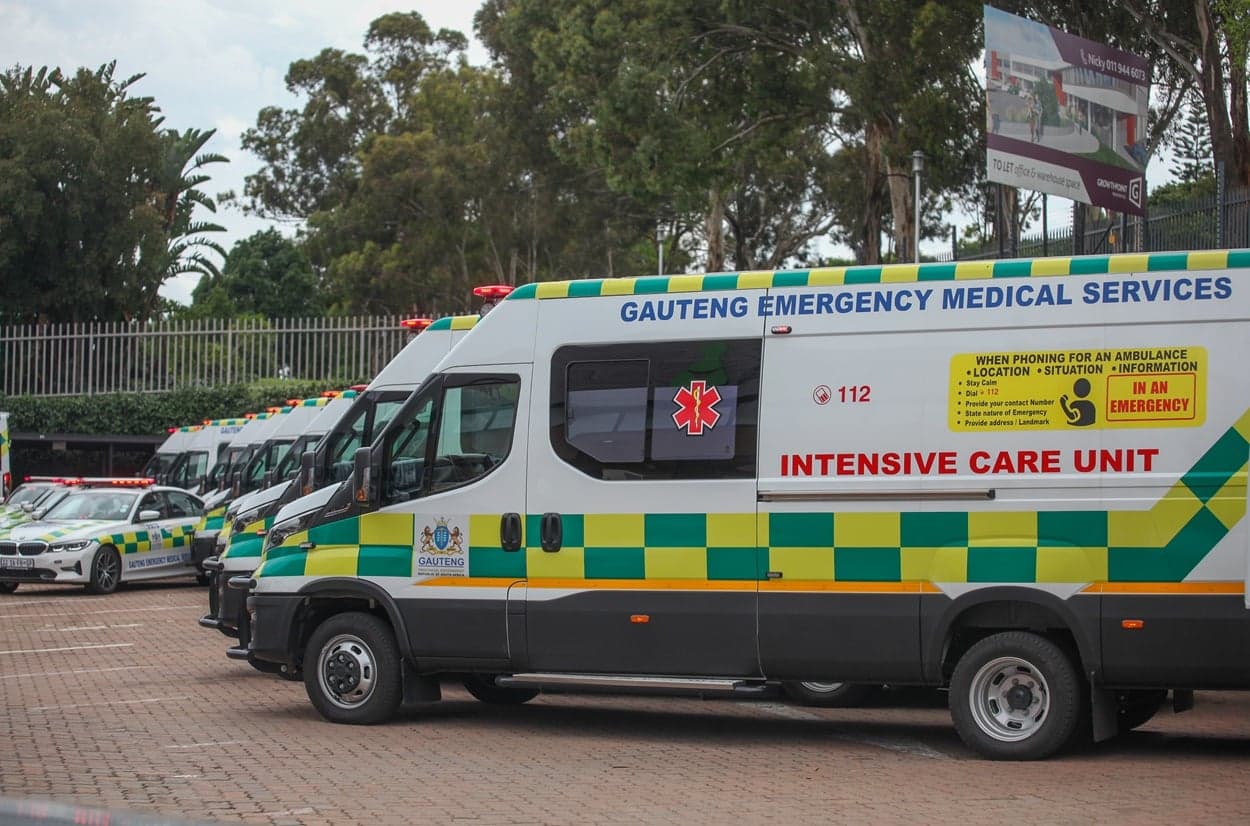
A recent report highlights a collaborative effort within the BRICS bloc to share medical expertise and build healthcare resilience. While specific details of the implementation remain unconfirmed, the initiative aims to support universal health coverage across member states.
South Africa and Germany Strengthen Strategic Partnership Through New Joint Action Plan
South Africa and Germany have agreed to a new joint action plan aimed at deepening their strategic partnership. While specific operational details remain undisclosed, the agreement establishes a structured framework for future bilateral and economic cooperation.
Over 6 500 South Africans currently waiting for life-saving organ transplants
New data highlights a severe healthcare challenge in South Africa, with approximately 6 500 people currently on transplant waiting lists. The statistic underscores a critical shortage of donor organs and the urgent need for public awareness.