Weekend of Carnage: Twelve Killed in Eastern Cape Road Crashes
Twelve people have lost their lives in a series of devastating road crashes across the Eastern Cape over the weekend. Authorities are investigating the circumstances surrounding the incidents as calls for increased road safety intensify.
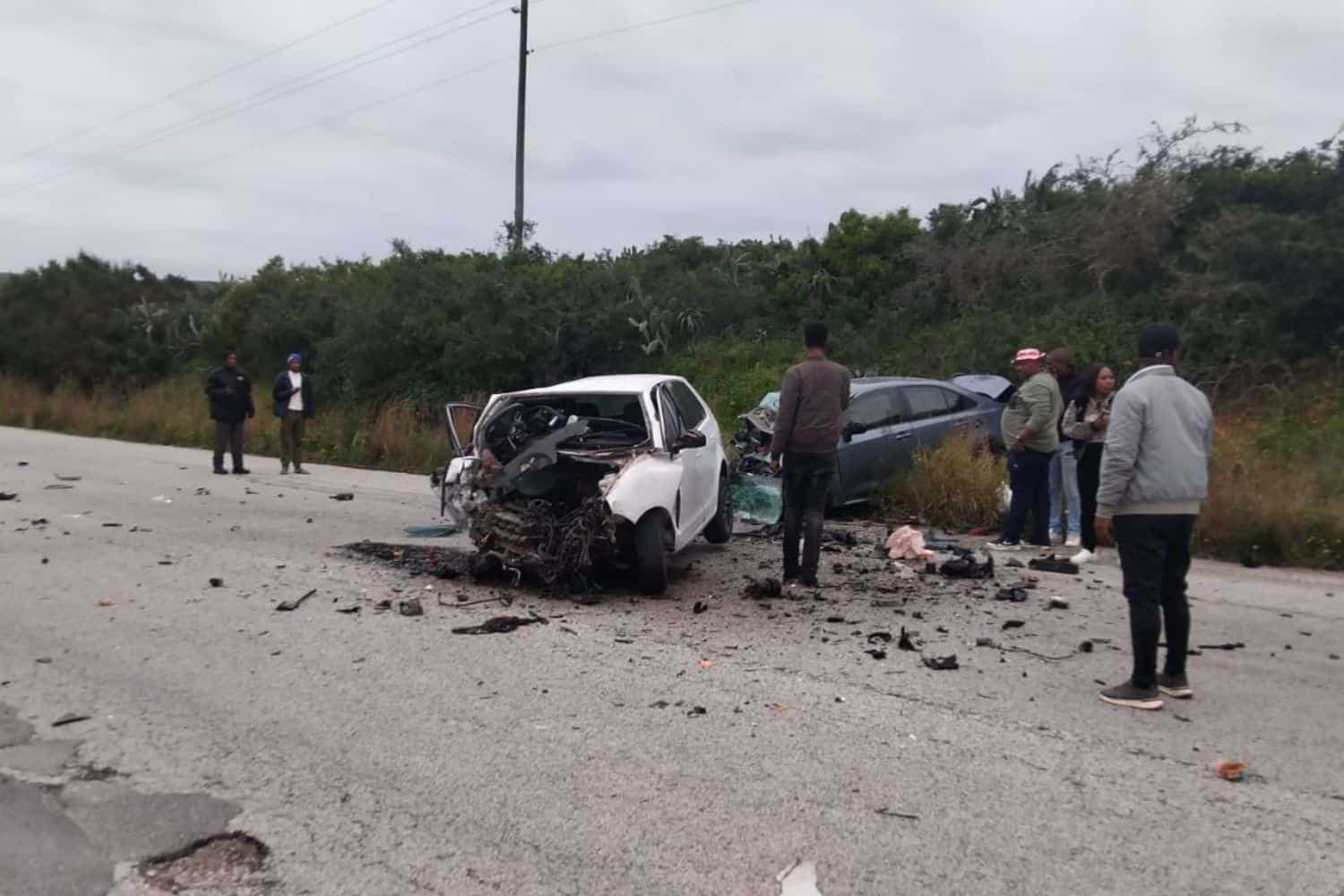
A devastating weekend on the roads of the Eastern Cape has resulted in the tragic loss of twelve lives, sending shockwaves through local communities and raising urgent concerns about road safety in the province. The series of fatal collisions, collectively described as a "weekend of carnage," occurred in the final days of August 2026. As families mourn the sudden loss of their loved ones, South Africans are once again confronted with the high cost of road accidents on the country's transportation networks.
The primary details surrounding the incidents were reported on Monday, 31 August 2026, confirming that twelve people died in crashes across the province over the preceding weekend. While the overall death toll has been verified, many specific details concerning the individual accidents remain scarce. At this stage, authorities have not released a comprehensive breakdown of where each collision occurred, nor have they specified the exact times or the number of vehicles involved in these tragic events.
This lack of immediate detail is not uncommon in the aftermath of widespread road emergencies, as local emergency services and law enforcement agencies prioritize scene management, victim identification, and notifying next of kin. It remains unclear whether the fatalities resulted from a single major multi-vehicle collision or a series of separate, unrelated crashes across different routes in the Eastern Cape. Additionally, the identities, ages, and genders of those who lost their lives have not yet been officially disclosed to the public.
The Eastern Cape is home to several major transport routes, including the N2 highway, which runs along the coast, and various provincial roads that connect major cities like Gqeberha and East London to vast rural hinterlands. These routes often experience high traffic volumes, particularly over weekends when people travel for leisure, family gatherings, or business. Although the exact locations of the weekend's crashes have not been specified, roads in this region are frequently subject to challenging driving conditions, including unpredictable weather, stray animals, and varying road quality.
In response to such severe traffic incidents, provincial transport authorities and emergency medical services typically deploy significant resources to secure the affected areas, provide medical attention to survivors, and clear debris to restore normal traffic flow. The South African Police Service (SAPS), alongside provincial traffic officers, will be tasked with investigating the circumstances of each crash. These investigations will aim to determine whether human error, mechanical failure, poor road conditions, or environmental factors played a role in the high fatality rate.
The tragic outcome of this weekend highlights the ongoing national conversation around road safety and the effectiveness of current traffic policing strategies in South Africa. Road safety experts and government officials consistently appeal to motorists to adhere strictly to the rules of the road. Key recommendations include maintaining safe following distances, obeying speed limits, avoiding driving under the influence of alcohol, and ensuring that all vehicle occupants wear seatbelts at all times.
Looking ahead, the public and road safety advocates will be closely monitoring the Eastern Cape Department of Transport for official updates. It is expected that a formal statement will be issued in the coming days, providing a detailed report on the causes of the crashes, the status of any ongoing investigations, and the condition of any injured individuals who survived the incidents. There will also be a keen interest in whether local authorities will implement increased traffic law enforcement visibility or specific road safety interventions to prevent a recurrence of such a tragic weekend.
Reporting record
How this story was produced
This article was AI-generated from the frozen trend evidence and passed deterministic quality and safety gates. No cross-provider evidence review or independent human verification is claimed for this record.
- Byline
- Newstrends AI Newsroom
- First published
- Last material update
- No later material update recorded
- Distinct source identifiers
- 1 retained source identifier
Frozen source links for this publication
Chronology
Story timeline
A generated chronology for orientation; dates and details may require source verification.
Update
A series of fatal road crashes occurs across the Eastern Cape province over the weekend.
Update
Initial reports emerge confirming a death toll of twelve people from the weekend's road incidents.
Reader file
Frequently asked questions
01How many people died in the Eastern Cape road crashes?
A total of twelve people were reported killed in the road crashes over the weekend.
02Where exactly did the crashes occur in the Eastern Cape?
The specific routes and exact locations of the crashes have not yet been detailed in the initial reports.
03What caused the fatal road accidents?
The precise causes of the crashes remain unconfirmed and are currently under investigation by local law enforcement and transport authorities.
Keep reading
Related coverage
More published reporting connected to this story.
Saturday Weather: Fine and Cool for Gauteng as Fog and Showers Spread Across Provinces
South Africans can expect highly varied weather conditions this Saturday, 29 August 2026. While Gauteng is set for fine and cool conditions, other provinces will face spreading fog and wet weather.

Weather Alert: Dense Morning Fog Forecasted Across Six South African Provinces
Commuters and motorists across six South African provinces are warned to prepare for hazardous driving conditions due to expected dense morning fog. The widespread weather event is projected to significantly reduce visibility on major transport routes. Authorities urge extra caution during the early morning commute.
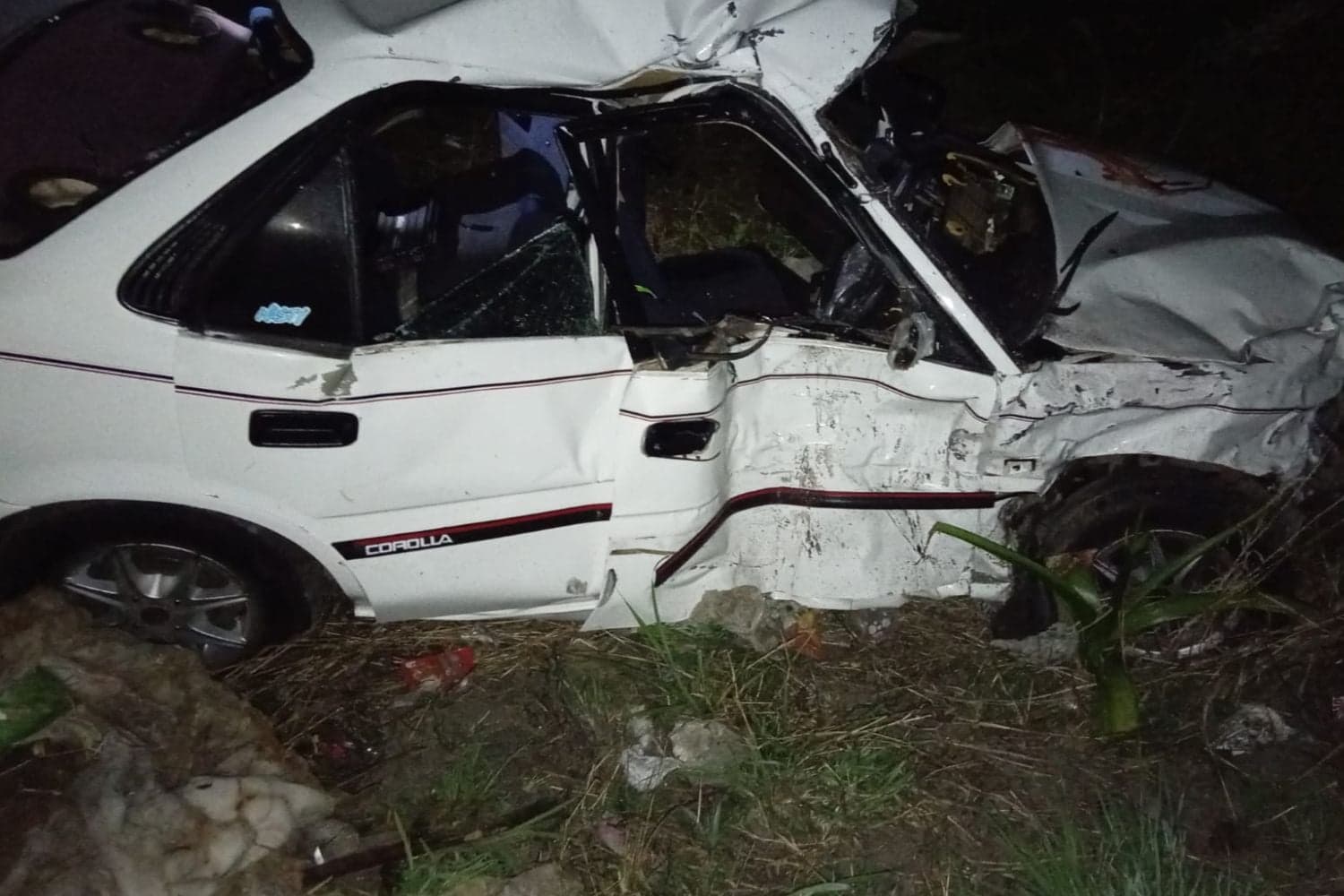
Two Dead and 12 Injured in Tragic Eastern Cape Head-On Collision
A devastating head-on collision in the Eastern Cape has resulted in two fatalities and left 12 others injured. Authorities are investigating the circumstances surrounding the crash as emergency services manage the aftermath.
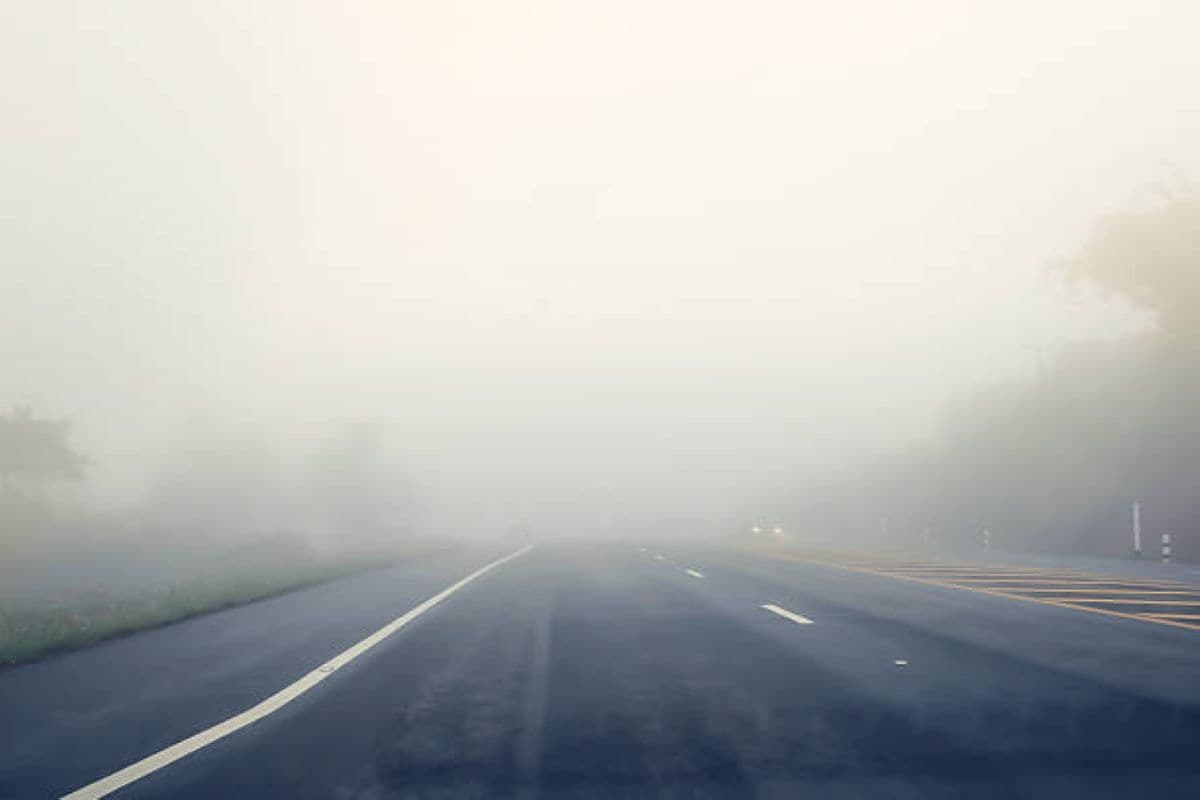
WEATHER: Morning Fog Patches Expected to Impact Parts of South Africa
A weather advisory warns of morning fog patches developing across several parts of South Africa. Motorists and commuters are urged to exercise caution due to significantly reduced visibility on major transport routes.
Weather Alert: Damaging Winds Forecast for Northern Cape as Frost Threatens Gauteng and Free State
South Africans face highly contrasting weather conditions on Friday, 14 August 2026. A weather alert warns of damaging winds in the Northern Cape and frost in Gauteng and the Free State, while the Eastern Cape enjoys fine and warm conditions.