WEATHER: Morning Fog Patches Expected to Impact Parts of South Africa
A weather advisory warns of morning fog patches developing across several parts of South Africa. Motorists and commuters are urged to exercise caution due to significantly reduced visibility on major transport routes.
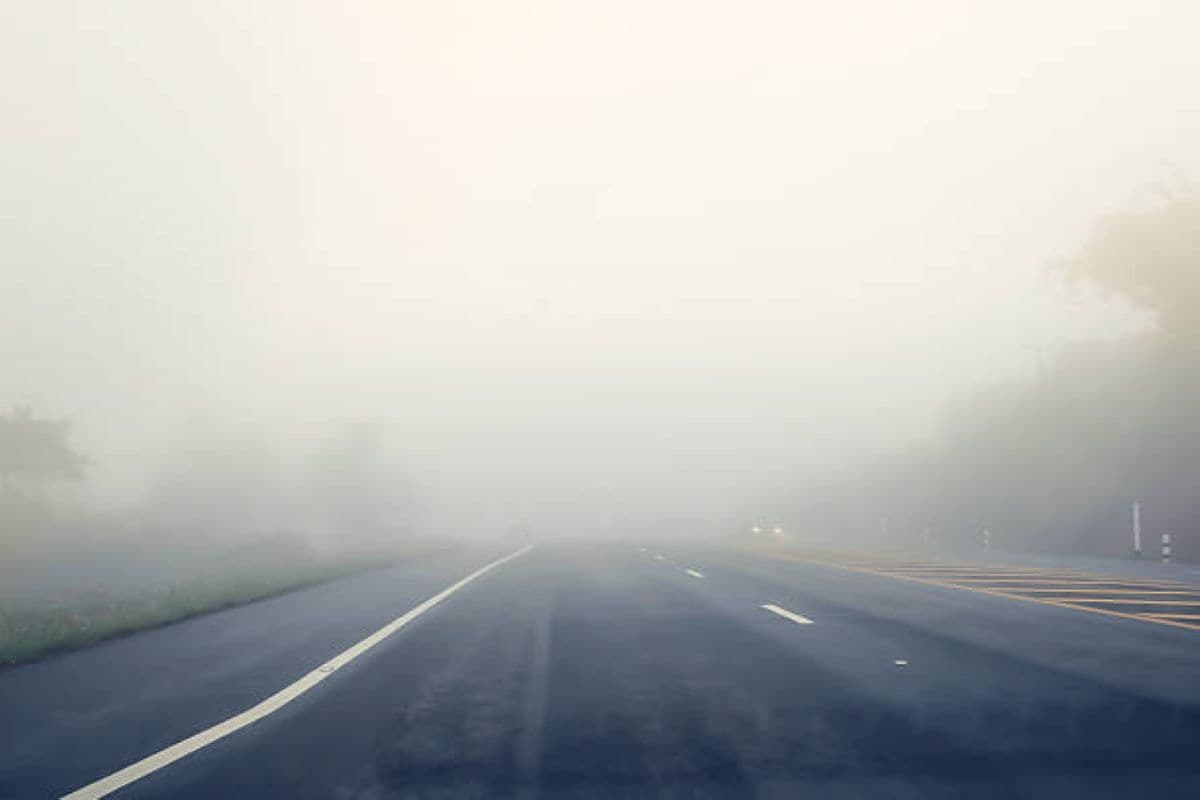
South African motorists and residents are advised to prepare for reduced visibility on the roads as morning fog patches are expected to develop in various parts of the country. According to a weather report published by local news outlet The South African on 22 August 2026, these atmospheric conditions are projected to impact travel and daily commutes during the early hours. While the initial advisory highlights the expected presence of fog, it underscores the need for caution as South Africans navigate their morning routines.
At this stage of the weather update, the precise geographical boundaries of the fog patches remain partially unspecified. However, preliminary media assets associated with the report, including imagery from KwaZulu-Natal (KZN), suggest that eastern coastal and adjacent inland regions could be among the primary areas experiencing these misty conditions. For residents living in valley areas or along major transport routes, the sudden onset of thick fog can present unexpected hazards, making early-morning travel particularly challenging.
In South Africa, morning fog is a common meteorological occurrence during seasonal transitions. As the country moves through the latter half of August, shifting from winter to spring, the combination of cool night-time temperatures and moist air often leads to condensation near the ground. This process creates low-lying cloud structures that typically dissipate as the sun rises and warms the earth. Until the fog clears, however, visibility can drop to less than a few metres in severely affected zones.
The primary concern during such weather events is road safety. Major national routes, such as the N3 freeway connecting Gauteng and KwaZulu-Natal, are notorious for sudden, dense fog patches that can catch drivers off guard. Transport authorities consistently urge motorists to adapt their driving behaviour under these conditions. Standard safety recommendations include reducing travel speeds, switching on fog lights or dipped headlights (rather than high beams, which reflect off the moisture), and maintaining a safe following distance from the vehicle ahead.
Beyond road transport, localized fog patches can also influence maritime and aviation operations in South Africa. Ports along the eastern seaboard, such as the Port of Durban and Richards Bay, occasionally experience delays in vessel movements when visibility falls below safe navigation limits. Similarly, regional airports may experience minor scheduling adjustments for early morning flights if pilots encounter low-ceiling cloud cover during take-off or landing procedures.
As the weather pattern develops, South Africans are encouraged to stay informed by checking localized updates from the South African Weather Service (SAWS) and monitoring real-time traffic reports. Because fog density can vary significantly over short distances, commuters should allow extra travel time for their morning journeys. Staying updated through reliable news channels will ensure that residents can plan their day safely and avoid major disruptions caused by these seasonal atmospheric changes.
Reporting record
How this story was produced
This article was AI-generated from the frozen trend evidence and passed deterministic quality and safety gates. No cross-provider evidence review or independent human verification is claimed for this record.
- Byline
- Newstrends AI Newsroom
- First published
- Last material update
- No later material update recorded
- Distinct source identifiers
- 1 retained source identifier
Frozen source links for this publication
Chronology
Story timeline
A generated chronology for orientation; dates and details may require source verification.
Update
The South African publishes a weather advisory warning of morning fog patches in parts of the country.
Reader file
Frequently asked questions
01Which parts of South Africa will be affected by the morning fog?
While the exact locations are not fully detailed in the initial report, associated media indicates that parts of KwaZulu-Natal (KZN) and surrounding areas are likely to experience these conditions.
02What safety precautions should motorists take in foggy conditions?
Drivers should reduce their speed, turn on their headlights or fog lights (avoiding high beams), increase their following distance, and allow extra travel time.
Keep reading
Related coverage
More published reporting connected to this story.
Weather Alert: Dense Morning Fog Forecasted Across Six South African Provinces
Commuters and motorists across six South African provinces are warned to prepare for hazardous driving conditions due to expected dense morning fog. The widespread weather event is projected to significantly reduce visibility on major transport routes. Authorities urge extra caution during the early morning commute.
Weather Alert: Morning Fog and Fresh Coastal Winds to Affect Parts of South Africa
Parts of South Africa are expected to experience morning fog and fresh coastal winds, impacting driving visibility and marine conditions. Residents and commuters are advised to exercise caution as localized details unfold.
Frost and fog patches set to blanket parts of South Africa
Weather alerts indicate that morning frost and thick fog patches are set to blanket several parts of South Africa. Residents and motorists are advised to exercise caution as late-winter conditions impact visibility and temperatures.
Light Snowfall Forecast for Parts of South Africa on Monday, 10 August 2026
A weather forecast has revealed that light snowfall is expected in parts of South Africa on Monday, 10 August 2026. Coming during a long public holiday weekend, the cold system could impact travel and local temperatures across the country.

WEATHER: Cold Front Threatens Snow and Freezing Conditions in Two South African Provinces
A powerful late-winter cold front is approaching South Africa, bringing warnings of snow and freezing temperatures. While the exact two provinces affected remain unconfirmed in initial reports, residents nationwide are urged to prepare for a severe temperature drop.