Two Dead and 12 Injured in Tragic Eastern Cape Head-On Collision
A devastating head-on collision in the Eastern Cape has resulted in two fatalities and left 12 others injured. Authorities are investigating the circumstances surrounding the crash as emergency services manage the aftermath.
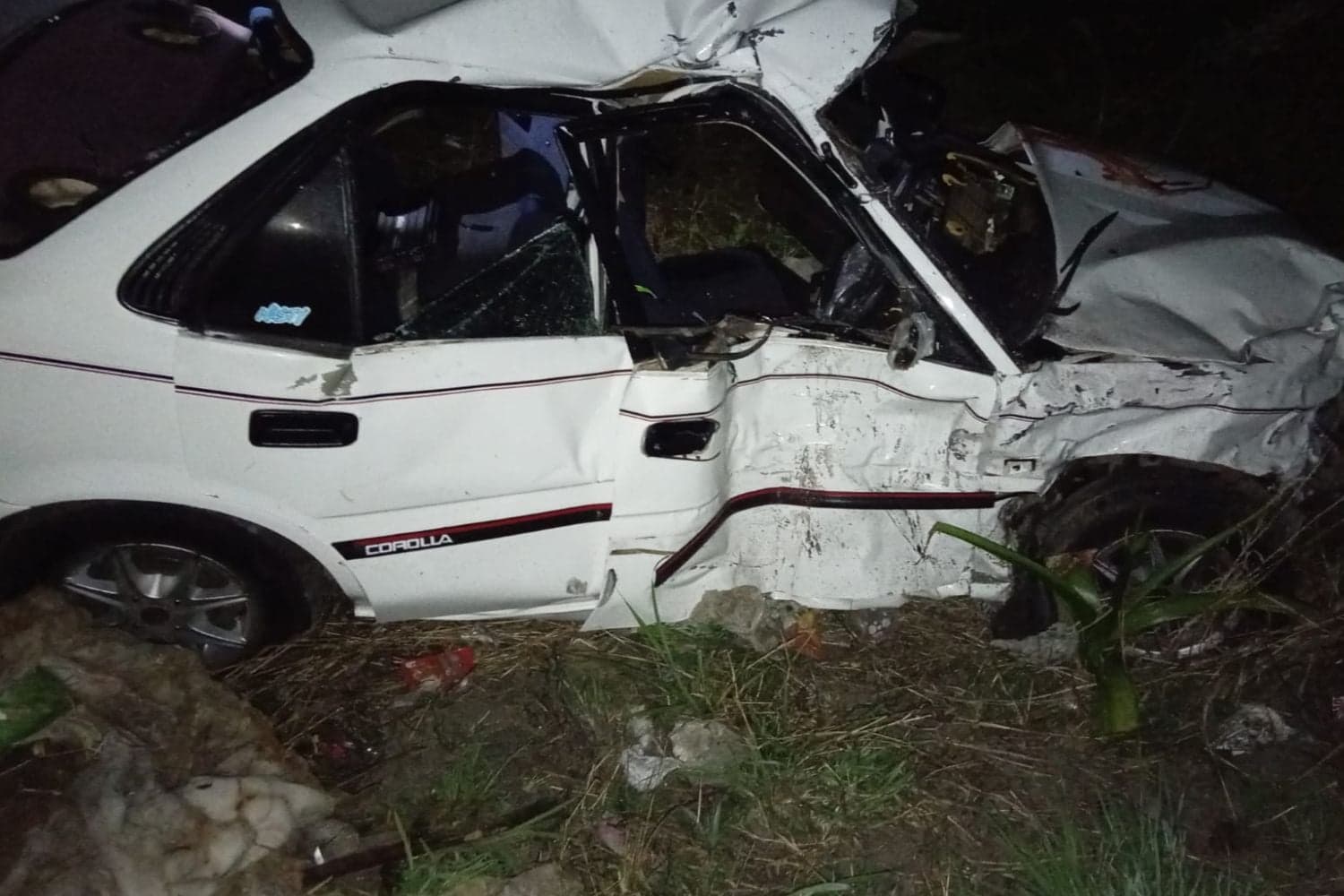
A devastating head-on collision in the Eastern Cape has claimed the lives of two people and left 12 others injured, marking another tragic incident on South Africa's road network. The crash, which occurred on Tuesday, 25 August 2026, has once again thrust the critical issue of provincial road safety into the national spotlight as emergency services and local authorities respond to the scene.
Initial reports confirmed that the collision was a head-on impact, a category of road accident widely recognized by traffic experts as one of the most severe and lethal. While the immediate toll of two fatalities and 12 injuries has been verified, many specific details surrounding the incident remain scarce. Authorities have not yet disclosed the exact route or highway where the crash took place, nor have they released the makes or models of the vehicles involved.
The identities of the two individuals who lost their lives are currently being withheld, allowing time for formal identification and the notification of their next of kin. Similarly, the medical status of the 12 injured survivors has not been detailed. In major head-on collisions, injuries typically range from moderate lacerations and fractures to critical, life-threatening trauma that requires immediate, advanced life support and urgent transfer to regional hospitals.
This latest tragedy highlights the persistent challenges facing road users and transport authorities in the Eastern Cape. The province is home to several major transit corridors, including the N2 and N10 highways, which carry high volumes of passenger vehicles, heavy trucks, and public transport. These routes are frequently characterized by challenging topography, variable weather conditions, and high-speed limits, making them particularly vulnerable to high-impact accidents when safety protocols are compromised.
When severe accidents occur in the region, they trigger a complex emergency response. Provincial Emergency Medical Services (EMS), alongside private rescue teams, the South African Police Service (SAPS), and local traffic departments, are tasked with managing the scene. Their immediate priorities include securing the roadway to prevent secondary accidents, using specialized extrication equipment to free trapped occupants, administering on-scene triage, and coordinating transport to the nearest suitable medical facilities.
Following the rescue operations, a formal investigation into the circumstances of the crash is expected to be initiated by law enforcement. Accident reconstruction specialists will analyze physical evidence at the scene, such as skid marks, vehicle debris distribution, and the point of impact. Investigators will also seek to determine whether environmental factors, mechanical failure, or driver error—such as fatigue, distracted driving, or unsafe overtaking—played a role in the collision.
The incident serves as a sobering reminder of the ongoing toll of road trauma in South Africa. Government departments and road safety organizations consistently appeal to motorists to exercise extreme caution, adhere strictly to speed limits, avoid driving under the influence or when fatigued, and ensure their vehicles are roadworthy. Every major crash places additional strain on the Eastern Cape's public healthcare infrastructure and leaves families devastated by sudden loss.
As the investigation begins, the public will be waiting for further updates from the Eastern Cape Department of Transport and the SAPS. Key details to watch for in the coming days include the official cause of the crash, updates on the recovery of the 12 injured victims, and whether any criminal charges, such as culpable homicide, will be pursued in connection with the tragic event.
Reporting record
How this story was produced
This article was AI-generated from the frozen trend evidence and passed deterministic quality and safety gates. No cross-provider evidence review or independent human verification is claimed for this record.
- Byline
- Newstrends AI Newsroom
- First published
- Last material update
- No later material update recorded
- Distinct source identifiers
- 1 retained source identifier
Frozen source links for this publication
Chronology
Story timeline
A generated chronology for orientation; dates and details may require source verification.
Update
A head-on collision in the Eastern Cape leaves two dead and 12 injured, with emergency services responding to the scene.
Reader file
Frequently asked questions
01How many people were affected by the Eastern Cape crash?
Two people were tragically killed, and 12 others sustained injuries in the collision.
02What caused the head-on collision?
The exact cause of the crash is currently unknown and remains under investigation by local law enforcement.
03Have the identities of the victims been released?
No, the identities of the deceased and the injured have not yet been publicly released pending notification of their next of kin.
Keep reading
Related coverage
More published reporting connected to this story.

KZN Kingpin Arrested as Authorities Crack Down on R500m Guardrail Theft Syndicate
A suspected kingpin has been arrested in KwaZulu-Natal following a major crackdown on a massive guardrail theft syndicate. The criminal network is linked to the theft of public infrastructure valued at an estimated R500 million.
N1 bus horror crash in Free State leaves scores dead and dozens injured
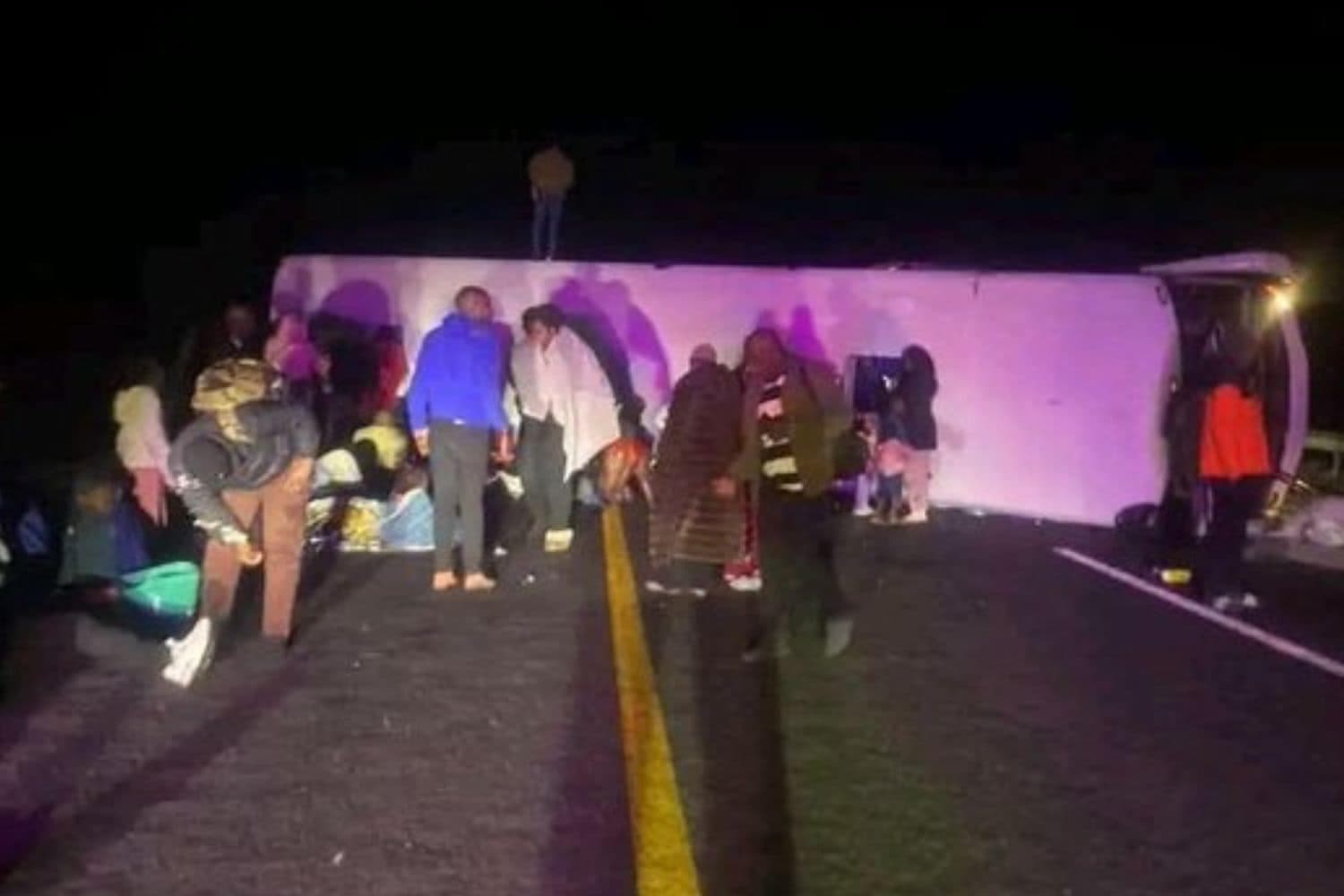
A major bus crash on the N1 highway in the Free State has resulted in multiple fatalities and numerous injuries. Emergency services are at the scene, and investigations into the cause of the tragedy are underway.

Manhunt Launched in Limpopo After Elderly Passenger Shot Dead in Hijacking
Police in Limpopo have initiated a manhunt for suspects who shot and killed an elderly passenger during a vehicle hijacking. The incident has raised fresh concerns over road safety and the vulnerability of elderly passengers in South Africa.

South Africa Weather: Morning Fog to Clear as Cool to Warm Conditions Continue
South Africans can expect morning fog to clear, making way for a continuation of cool to warm daytime conditions. While the stable late-August weather brings daytime comfort, motorists are urged to exercise caution during misty mornings.

WEATHER: Fog and Cooler Temperatures Set to Sweep Across South Africa This Week
South Africa is bracing for a shift in weather patterns as fog and cooler temperatures set in across the country this week. While specific regional details remain limited, residents are advised to prepare for reduced visibility and colder conditions.