Weather Alert: Damaging Winds Forecast for Northern Cape as Frost Threatens Gauteng and Free State
South Africans face highly contrasting weather conditions on Friday, 14 August 2026. A weather alert warns of damaging winds in the Northern Cape and frost in Gauteng and the Free State, while the Eastern Cape enjoys fine and warm conditions.
South Africans across several provinces are bracing for a day of highly contrasting weather conditions following a series of regional weather alerts. According to the latest forecasts captured on 13 August 2026, residents can expect everything from damaging winds and biting frost to pleasant, warm sunshine depending on where they are situated in the country. The stark differences in provincial weather patterns highlight the volatile nature of South African meteorology as the country navigates the transitional month of August.
The most urgent warning concerns the Northern Cape, where authorities have flagged the threat of damaging winds. In a province known for its vast open plains and semi-desert landscapes, strong winds can pose significant hazards. Residents and travellers in the Northern Cape are urged to exercise extreme caution. High-sided vehicles, such as trucks and caravans, are particularly vulnerable to strong crosswinds on major transport routes. Additionally, loose structures, rooftops, and informal settlements could face damage, making it essential for locals to secure their properties and outdoor belongings ahead of time.
In sharp contrast to the windy west, the interior provinces of Gauteng and the Free State are preparing for a frosty start to the day. The forecast predicts frost across these regions, signaling a significant drop in overnight and early morning temperatures. For Gauteng, South Africa’s economic hub, this means residents will need to bundle up for a freezing morning commute. In the Free State, which serves as one of the country's primary agricultural regions, the expected frost could have direct implications for farmers and gardeners. Sensitive crops and young plants will require protection to prevent frost damage, while pet owners are reminded to ensure domestic animals have adequate shelter from the overnight cold.
Meanwhile, residents in the Eastern Cape can look forward to much more favorable conditions. The province is expected to experience fine and warm weather, offering a welcome contrast to the harsh conditions affecting its northern and western neighbors. Whether along the coast or further inland, Eastern Cape locals will likely enjoy pleasant outdoor conditions, making it an ideal day for outdoor activities and travel. This pocket of warm weather highlights the diverse microclimates that define South Africa’s geography during the late winter period.
This mix of extreme weather is highly characteristic of August in South Africa, a month traditionally associated with transitional weather patterns. As the country slowly moves away from the core winter months toward spring, deep low-pressure systems often sweep across the southern oceans, dragging cold fronts and strong winds across the land. The collision of cold southern air with warmer northern systems frequently results in the high winds seen in the Northern Cape and the clear, freezing nights that produce frost in the highveld regions of Gauteng and the Free State.
Given these warnings, emergency services and local authorities typically advise the public to stay informed and take proactive measures. In the frost-affected areas of Gauteng and the Free State, those using space heaters or open fires to keep warm are urged to exercise extreme caution to prevent accidental domestic fires. In the Northern Cape, motorists are advised to reduce speed, keep both hands on the wheel, and maintain a safe following distance from other vehicles, especially in dusty conditions where visibility may suddenly deteriorate.
As the weekend approaches, South Africans are encouraged to monitor local meteorological updates closely. While the Eastern Cape enjoys temporary warmth, weather systems at this time of year can change rapidly, potentially bringing shifts in temperature and wind patterns to other parts of the country in the days to follow. Staying prepared and responding early to localized alerts remains the best way to ensure safety and minimize property damage during these late-winter weather events.
Reporting record
How this story was produced
This article was AI-generated from the frozen trend evidence and passed deterministic quality and safety gates. No cross-provider evidence review or independent human verification is claimed for this record.
- Byline
- Newstrends AI Newsroom
- First published
- Last material update
- No later material update recorded
- Distinct source identifiers
- 1 retained source identifier
Frozen source links for this publication
Chronology
Story timeline
A generated chronology for orientation; dates and details may require source verification.
Update
Weather alerts are published detailing starkly contrasting conditions across South African provinces for the following day.
Update
Damaging winds are forecast to impact the Northern Cape, while frost develops in Gauteng and the Free State, and the Eastern Cape experiences fine and warm weather.
Reader file
Frequently asked questions
01Which provinces are affected by the latest weather alerts?
The Northern Cape is under alert for damaging winds, while Gauteng and the Free State are expecting frost. In contrast, the Eastern Cape will experience fine and warm weather.
02What precautions should residents in the Northern Cape take against the wind?
Residents should secure loose outdoor items and structures. Motorists, particularly those driving high-sided vehicles, should exercise extreme caution on the roads due to strong crosswinds.
03How should residents in Gauteng and the Free State prepare for the frost?
Residents should protect sensitive plants, ensure pets have warm shelter, and exercise extreme caution when using heating appliances to avoid fire hazards.
Keep reading
Related coverage
More published reporting connected to this story.
Orange Level Warnings: Disruptive Snow in Eastern Cape as Rain Hits KwaZulu-Natal Coast
Severe winter weather alerts have been issued for 28 July 2026, with the Eastern Cape facing disruptive snow and the KwaZulu-Natal coast bracing for persistent rain.
Weather alert: Fire danger warning issued for Eastern Cape, fine conditions elsewhere
A weather alert for 23 July 2026 warns of high fire danger in the Eastern Cape, while the rest of South Africa expects fine weather. Residents in the affected province are urged to exercise caution.

Heavy Rains and Snow Cause Widespread Traffic Disruptions and Accidents Across Gauteng
Heavy rains and rare snowfall have severely disrupted Gauteng's road network, leading to multiple reported accidents. Commuters are facing major delays as emergency services respond to hazardous driving conditions across the province.
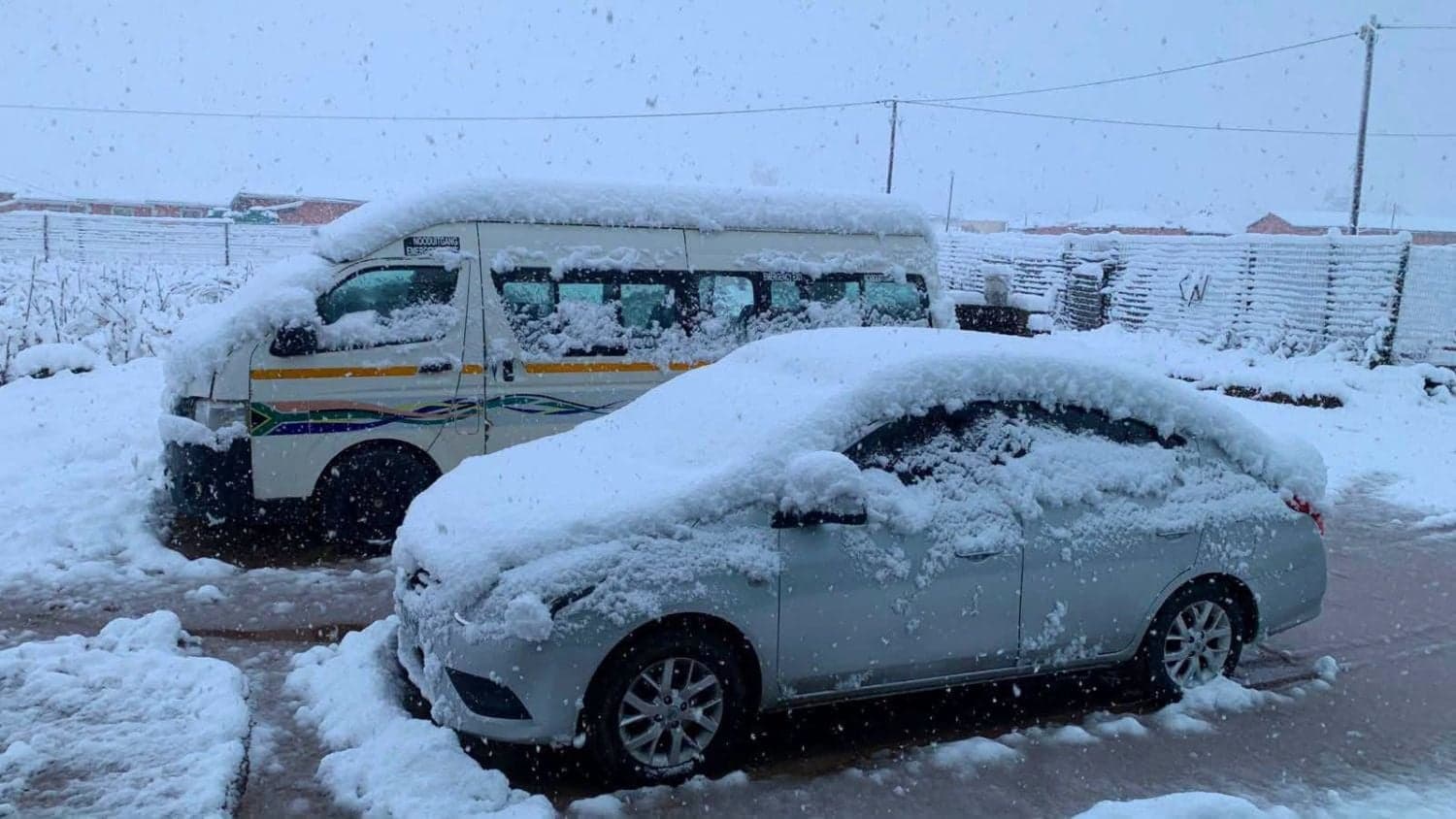
Heavy snow to continue falling across Eastern Cape on Tuesday as wintry weather grips region
Forecasters warn of continued heavy snowfall across the Eastern Cape on Tuesday, following significant winter weather activity along the Lesotho border. Residents and travellers are urged to exercise caution as high-lying areas brace for further disruptions.
Strong Winds, Fire Danger and Icy Roads: SA Warned of Hazardous Thursday Weather
South Africans are urged to exercise extreme caution on Thursday, 13 August 2026, due to a hazardous weather forecast. The warning highlights a dangerous combination of strong winds, elevated fire danger, and icy roads across parts of the country.