WEATHER ALERT: Rain Forecast for KwaZulu-Natal and Two Other Provinces
Weather forecasts indicate that rain is expected to hit three South African provinces, with specific alerts issued for parts of KwaZulu-Natal. While the exact details of the other two provinces remain unconfirmed, residents are advised to prepare for wet conditions.
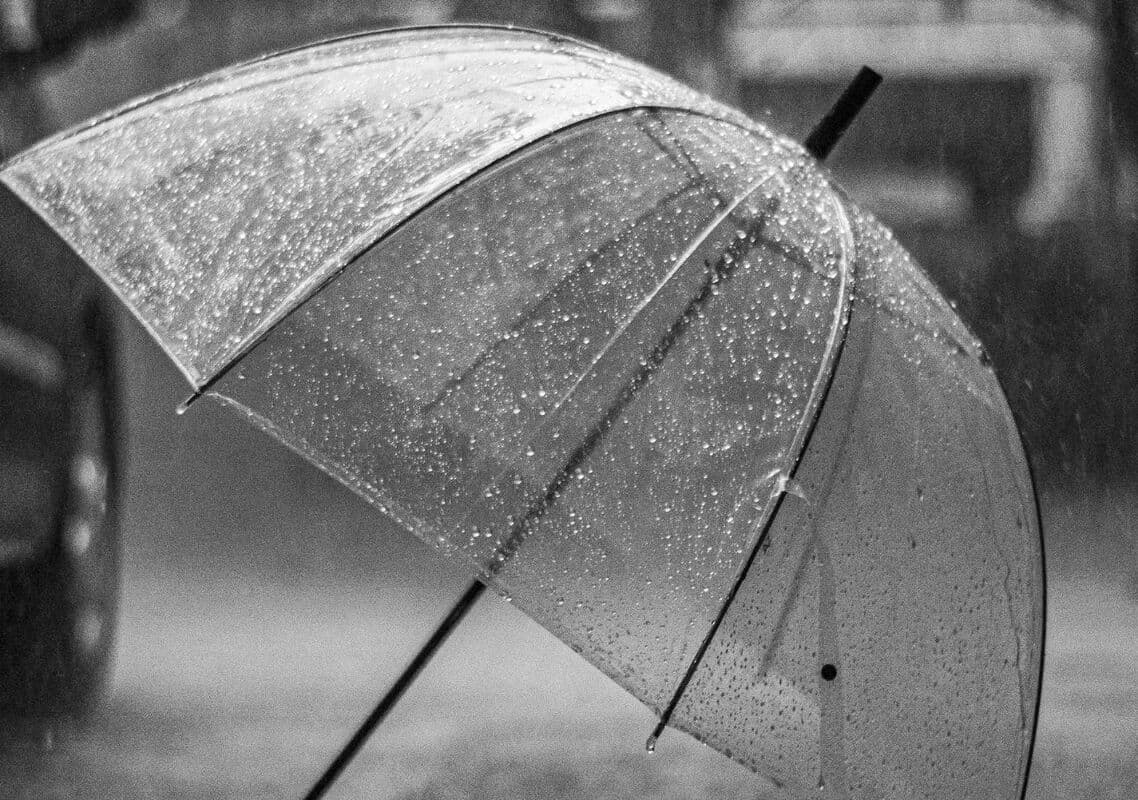
South Africans across multiple regions are advised to prepare for a shift in weather conditions as rain is forecasted to hit at least three provinces. According to regional weather updates published in mid-August 2026, a wet weather system is moving across parts of the country, bringing anticipated rainfall to several areas. The initial alerts have prompted residents to keep a close eye on changing skies as the week progresses.
The weather warnings began circulating on Monday, 17 August 2026, when initial forecasting reports indicated that three provinces were in the path of the incoming rain. This broad alert set the stage for more localized updates. By the following day, Tuesday, 18 August 2026, the focus narrowed significantly, with subsequent reports highlighting that specific parts of KwaZulu-Natal are expected to experience the wet conditions.
While KwaZulu-Natal has been explicitly identified as one of the primary provinces of concern, the available trend data does not specify the names of the other two provinces included in the original three-province alert. This lack of detail leaves some uncertainty for residents in neighbouring regions, who are advised to remain vigilant and monitor local meteorological updates to see if their provinces are indeed the ones affected.
Furthermore, the specific districts, municipalities, or towns within KwaZulu-Natal that will receive the rainfall have not been detailed in the initial reports. KwaZulu-Natal is a geographically diverse province, ranging from coastal zones to high-altitude inland areas like the Drakensberg, meaning that the impact of the rain can vary dramatically depending on exactly where it lands. Whether the rain will bring light showers or heavier downpours remains to be confirmed by detailed local forecasts.
In South Africa, sudden weather changes can have significant practical implications for daily life and safety. For motorists, wet roads often lead to increased traffic congestion and hazardous driving conditions, particularly on major transport routes like the N3 freeway which connects KwaZulu-Natal to the inland provinces of the country. Local authorities frequently urge drivers to reduce speed, increase following distances, and turn on their headlights during these periods. Pedestrians and commuters relying on public transport are also urged to plan ahead for potential delays.
For the agricultural sector, rainfall is often highly anticipated, but its timing and volume are critical for crop management. Farmers in the affected provinces will be watching the skies closely to determine how this wet weather system might impact their crops and livestock. However, without official details on the expected volume of rainfall or potential storm warnings, agricultural planning remains cautious. Infrastructure vulnerability, especially in areas prone to drainage issues, also remains a concern during unexpected downpours.
As the weather system develops, the primary recommendation for South Africans in the eastern and coastal regions is to stay informed. Because the current reports leave several questions unanswered—such as the identity of the remaining two provinces and the severity of the rain in KwaZulu-Natal—checking daily updates from certified meteorological authorities is the most reliable way to stay prepared.
Reporting record
How this story was produced
This article was AI-generated from the frozen trend evidence and passed deterministic quality and safety gates. No cross-provider evidence review or independent human verification is claimed for this record.
- Byline
- Newstrends AI Newsroom
- First published
- Last material update
- No later material update recorded
- Distinct source identifiers
- 1 retained source identifier
Chronology
Story timeline
A generated chronology for orientation; dates and details may require source verification.
Update
Initial weather forecasts indicate rain is expected to hit three South African provinces.
Update
Updated forecasts focus on specific parts of KwaZulu-Natal expecting rainfall.
Reader file
Frequently asked questions
01Which provinces are expected to receive rain?
According to the latest forecasts, rain is expected to hit three provinces. While KwaZulu-Natal has been explicitly named, the other two provinces have not yet been specified in the initial reports.
02When were these weather alerts issued?
The initial weather alerts for the three provinces were published on 17 August 2026, followed by a more specific update for KwaZulu-Natal on 18 August 2026.
Keep reading
Related coverage
More published reporting connected to this story.
Gauteng Expects Fine and Cool Friday While Fog and Rain Target KwaZulu-Natal
South Africans can expect contrasting weather conditions on Friday, 7 August 2026. Gauteng is set for fine and cool conditions, while KwaZulu-Natal faces morning fog and isolated rain showers.
South Africa Weather: Cloudy Skies and Rain Forecast as KZN Braces for Severe Weather
Parts of South Africa are preparing for wet weather and cloudy skies, with KwaZulu-Natal on high alert for severe conditions. Residents are urged to monitor updates as the weather system develops across the country.

WEATHER ALERT: Cloudy, cold conditions and rain set to hit two South African provinces
A new weather system is forecast to bring cold, cloudy conditions and rainfall to two South African provinces. While the specific regions have not yet been named, residents are urged to prepare for a late-winter temperature drop.
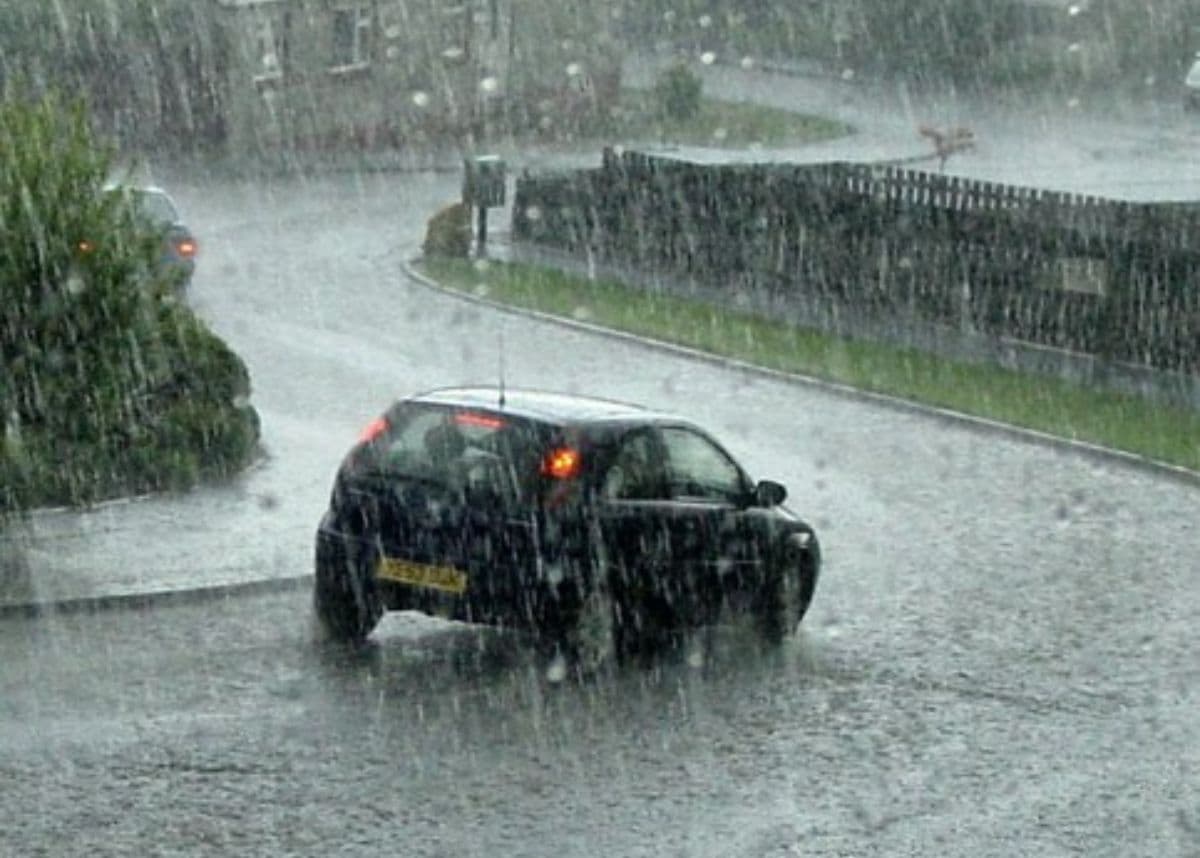
KZN Weather: KwaZulu-Natal Braces for Isolated Showers, Rain and Chilly Conditions
Residents across KwaZulu-Natal have been advised to prepare for a wet and cold spell. Reports indicate that the province is bracing for isolated showers, rain, and chilly winter conditions.
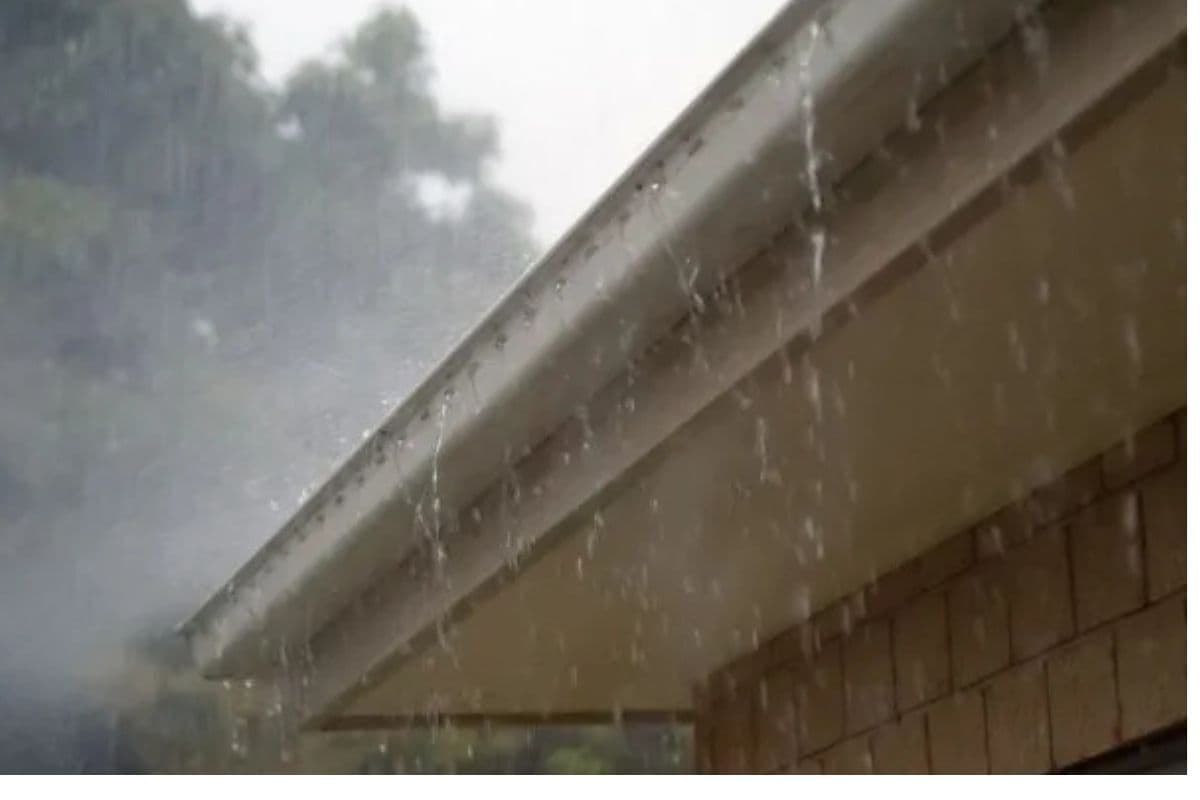
Weather Alert: Isolated Showers and Rain Set to Hit Just One South African Province
A localized weather report indicates that a single South African province is expected to experience isolated showers and rain. While details regarding which province will be affected remain unconfirmed, the forecast highlights the transitional nature of mid-August weather.