South Africans are waking up to a stark change in weather conditions today, 28 July 2026, as a significant weather system moves across the country. According to preliminary reports, cloudy skies and wet weather are expected to affect several parts of South Africa. The primary area of concern is the coastal province of KwaZulu-Natal (KZN), which is currently bracing for severe weather conditions. Residents across the affected regions are urged to stay vigilant as the day progresses and the weather system develops.
The onset of cloudy skies and rain across multiple provinces highlights the unpredictable nature of mid-winter weather systems in South Africa. While some regions may only experience light drizzle and persistent overcast conditions, KwaZulu-Natal is preparing for a much more intense impact. The province's unique geography, situated between the warm Indian Ocean and the soaring Drakensberg mountain range, often amplifies weather systems, leading to rapid escalations from standard rain to severe storm conditions.
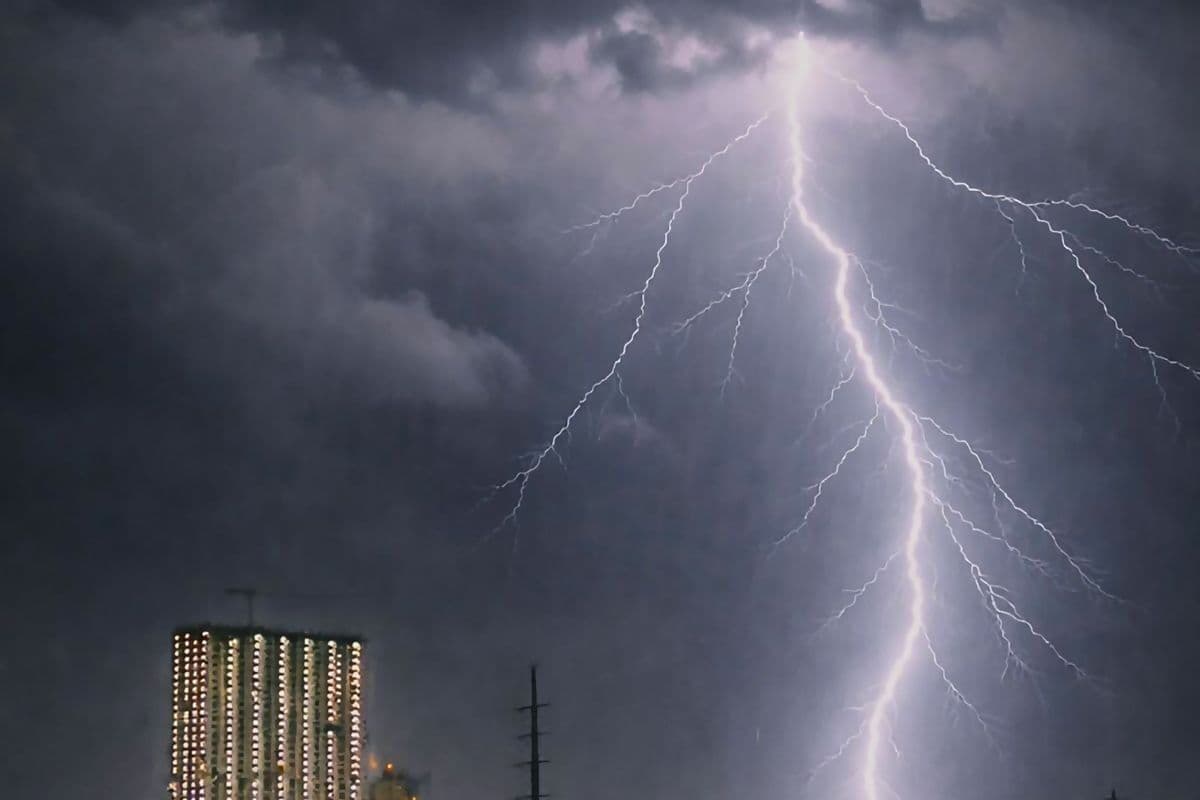
At this hour, the precise meteorological classifications of the severe weather heading towards KwaZulu-Natal have not been fully detailed. It remains unclear whether the province is facing heavy torrential downpours, strong gale-force winds, or localized thunderstorms. Additionally, official sources have not yet specified which municipal districts within KZN—such as eThekwini, uMbungundlovu, or King Cetshwayo—are expected to bear the brunt of the storm. This lack of specific data emphasizes the need for residents to treat all local alerts with a high degree of seriousness.
For South Africans living in low-lying areas or informal settlements, the mention of severe weather in KwaZulu-Natal is always a cause for immediate concern. Past weather events in the province have demonstrated how quickly localized flooding can occur when heavy rains saturate the soil. While the current reports do not confirm any active flooding, the preparatory stance of "bracing" suggests that local disaster management structures and emergency services are likely monitoring the situation closely to respond to any developing emergencies.
Beyond KwaZulu-Natal, the broader forecast of cloudy skies and rain across "parts of SA" suggests a widespread atmospheric disturbance. During this time of year, cold fronts typically sweep from the southwest to the northeast, bringing temperature drops and moisture. However, the initial trend data does not clarify whether provinces such as the Western Cape, Eastern Cape, or Gauteng will experience significant rainfall or if the conditions there will remain limited to cold, overcast skies.
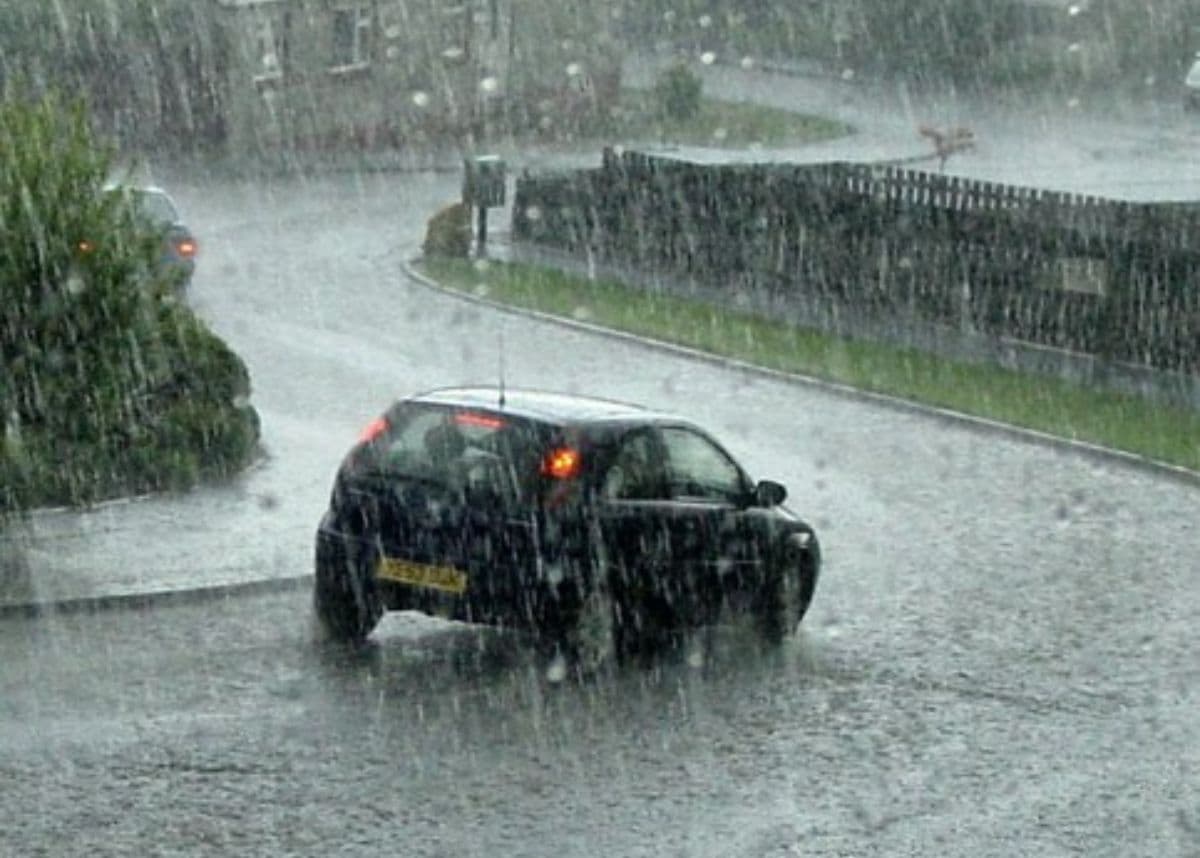
The practical implications of today's weather forecast are already being felt by commuters and motorists. Wet road surfaces, combined with reduced visibility from cloudy skies and active rain, significantly increase the risk of traffic accidents on major national routes. South African road users are advised to reduce their speed, maintain safe following distances, and keep their headlights on to ensure visibility under the heavy cloud cover.
Agriculture and local businesses are also keeping a close eye on these developments. While rain is often welcomed in water-scarce regions of South Africa, severe weather can disrupt farming operations, delay transport logistics, and cause temporary power outages. For KZN’s coastal and agricultural sectors, the severity of the incoming weather will dictate whether operations can proceed safely or if precautionary shutdowns will be necessary.
As the day unfolds, the critical next step for all citizens is to monitor official updates from national meteorological authorities and local municipalities. Because the initial reports provide a broad overview rather than localized details, staying tuned to real-time weather tracking apps, regional radio stations, and official social media channels will be vital. This will ensure that communities receive timely information regarding specific warning levels, evacuation routes, or emergency contact numbers if the weather in KwaZulu-Natal or other parts of South Africa deteriorates further.