South Africans preparing for the end of the workweek can expect contrasting weather conditions across the eastern and central parts of the country on Friday, 7 August 2026. According to the national weather forecast published by South African media outlet The Citizen, Gauteng is set to experience fine and cool conditions. Meanwhile, residents and travellers in KwaZulu-Natal (KZN) should prepare for a damper start to the day, with fog and isolated rain forecast for parts of the coastal province.
The forecast for Gauteng brings a continuation of stable, clear weather typical of the region during the late winter period. Described as "fine and cool," the weather in South Africa's economic hub suggests cloudless or near-cloudless skies accompanied by mild temperatures. While the specific daytime maximums and early morning minimums for major metropolitan areas such as Johannesburg, Pretoria, and Ekurhuleni are not detailed in the initial report, "fine and cool" conditions in August generally indicate comfortable daytime weather, though temperatures may drop rapidly once the sun sets.
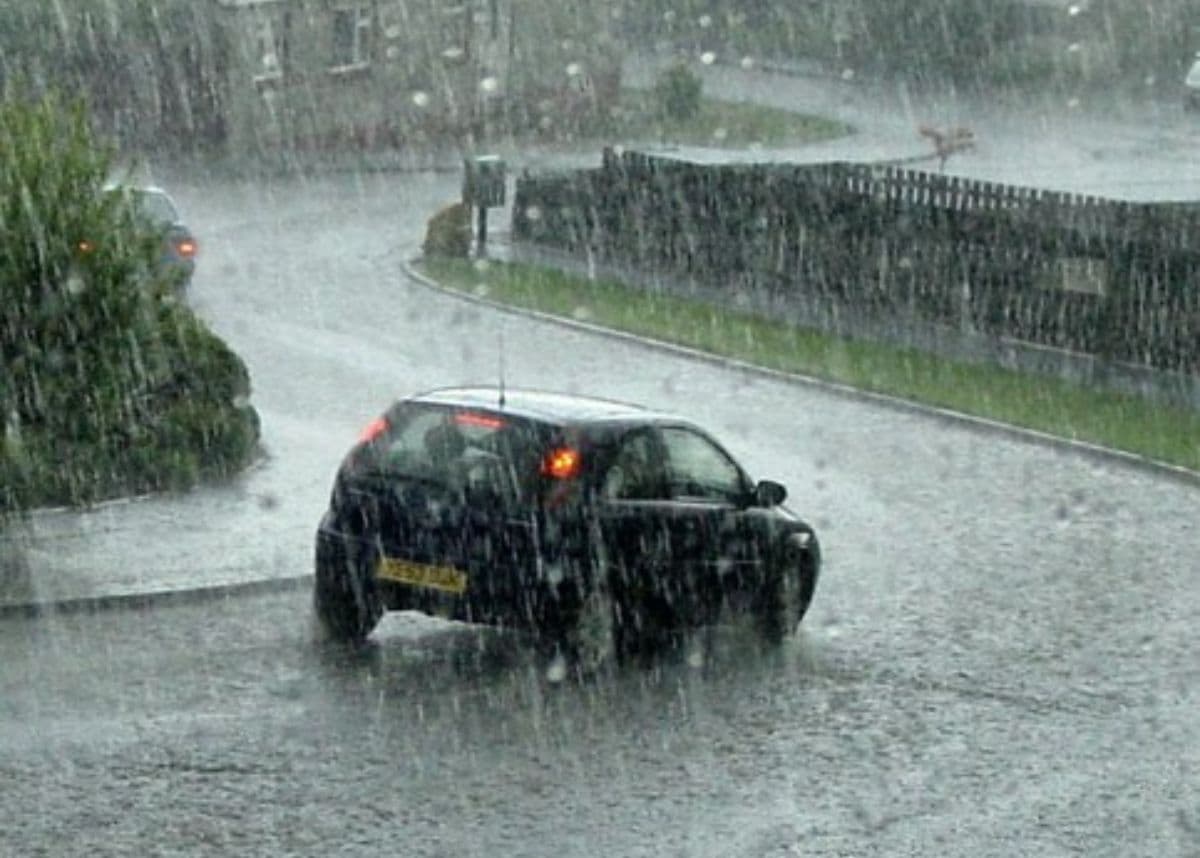
In sharp contrast, KwaZulu-Natal is bracing for more challenging atmospheric conditions. The presence of fog and isolated rain indicates that moisture levels remain high over the province. Fog is particularly common in the early morning hours along the mist belt of the KZN midlands and coastal areas, where warm, moist air from the Indian Ocean meets cooler inland temperatures. The prediction of isolated rain suggests that while wet weather will not be widespread across the entire province, certain areas will experience light showers or drizzle throughout Friday.
For motorists and daily commuters, these regional variations present distinct challenges. In KwaZulu-Natal, the combination of morning fog and isolated rain can significantly reduce visibility on the roads, particularly on major transport arteries such as the N3 highway. Traffic authorities typically advise drivers to reduce their speed, maintain a safe following distance, and keep their headlights on low beam to navigate foggy patches safely. Conversely, Gauteng road users are likely to enjoy clear driving conditions, although the cool weather may require residents to dress in layers to stay comfortable throughout the day.
While the forecast provides clear guidance for Gauteng and KwaZulu-Natal, it remains limited in scope regarding the rest of South Africa. The available data does not outline the expected weather patterns for the remaining seven provinces, including the Western Cape, Eastern Cape, Free State, Mpumalanga, Limpopo, North West, and Northern Cape. Additionally, critical meteorological metrics such as wind speeds, ocean wave heights, humidity levels, and ultraviolet (UV) index ratings are not specified in the current report. Residents in these unmentioned regions will need to consult broader regional forecasts to plan their Friday activities.
The transition from late winter to early spring in South Africa often brings highly localized weather phenomena. August is known for its transitional nature, where dry continental air masses over the interior compete with moist maritime systems along the coast. This dynamic explains why Gauteng can remain dry and fine while KwaZulu-Natal experiences coastal showers and fog. Understanding these regional patterns is crucial for sectors such as agriculture, transport, and tourism, which rely heavily on stable weather conditions for daily operations.
As Friday progresses, citizens are encouraged to monitor live updates from official channels. Because weather systems can shift rapidly, the South African Weather Service (SAWS) frequently issues updated alerts and localized advisories. Whether planning outdoor activities in a sunny Gauteng or navigating the damp roads of KwaZulu-Natal, staying informed through verified news sources ensures that South Africans can safely navigate whatever the skies deliver.