Residents across KwaZulu-Natal (KZN) are preparing for a shift in weather patterns as reports emerge of incoming isolated showers, rain, and chilly conditions. The weather advisory, highlighted in reports on 24 July 2026, serves as a timely reminder for locals to monitor the skies and brace for a drop in temperatures. While KZN is known for its relatively mild winters compared to the inland provinces of South Africa, cold fronts and wet weather systems can still bring significant chill and dampness to the region.
According to the initial reports from local news sources, the primary elements of this weather system include isolated showers and rain accompanied by a noticeable drop in temperature. This combination of moisture and cold air is expected to affect various parts of the province, prompting residents to dust off their winter wear and prepare for damp conditions. While the report outlines these general conditions, specific details regarding which districts will experience the heaviest rainfall or the lowest temperatures remain unspecified.
In South Africa, July represents the mid-winter period, a time when cold fronts frequently sweep across the country from the south and southwest. When these systems interact with the warmer air of the Indian Ocean along the KwaZulu-Natal coast, they often produce isolated showers and localized rain. The chilly conditions associated with these systems can be felt both along the coastal belt, including Durban, and further inland towards the Midlands and the Drakensberg region, where temperatures can drop significantly during winter cold snaps.
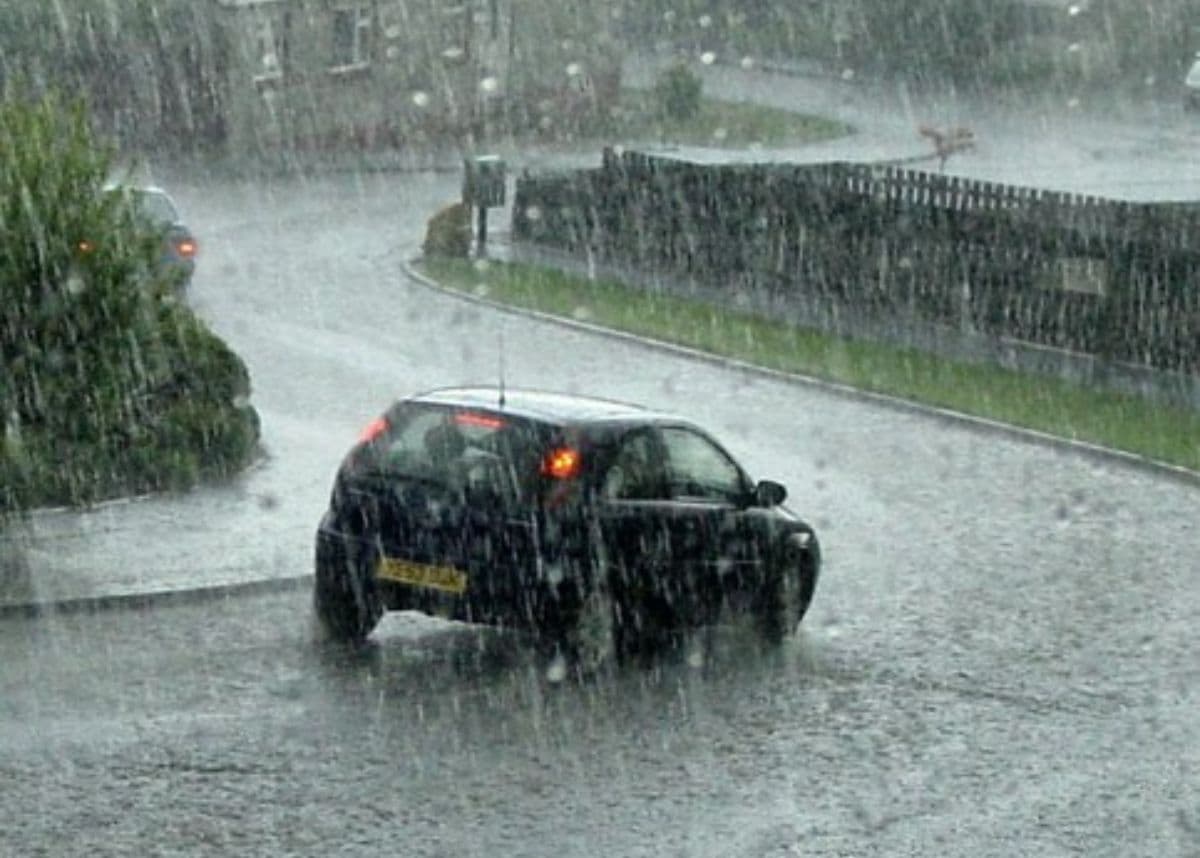
As the province braces for these conditions, road safety becomes a paramount concern for commuters. Wet weather in KwaZulu-Natal, even when characterized as isolated showers, can quickly lead to hazardous driving conditions. South African roads, particularly major arteries like the N3 highway connecting KZN to Gauteng, can become slippery during the initial stages of rainfall as water mixes with oil and dust on the tarmac. Motorists are urged to reduce their speed, increase following distances, and ensure their headlights and windscreen wipers are in proper working order.
In addition to transport safety, the chilly conditions present challenges for households trying to keep warm. During winter weather alerts, South Africans are encouraged to exercise caution when using heating appliances. Keeping homes warm safely is crucial, especially when using gas heaters, paraffin stoves, or open fireplaces, which require adequate ventilation to prevent accidents. Ensuring that vulnerable members of the community, including the elderly and those without adequate shelter, are protected from the cold is also a vital consideration during these periods.
At this stage, several key details about the weather system remain unconfirmed. The exact volume of rainfall expected, the precise timing of the onset of the showers, and the projected duration of the chilly spell have not been detailed in the initial reports. Furthermore, it is unclear whether any formal weather warnings or alerts have been issued by the South African Weather Service (SAWS) for severe weather or localized flooding. Residents are therefore advised to stay tuned to official meteorological updates for more localized and precise forecasting.
Looking ahead, the situation in KwaZulu-Natal will require close monitoring by both residents and local authorities. Weather systems in the province can be unpredictable, sometimes clearing up quickly or, conversely, intensifying into more widespread rain. Keeping a close eye on real-time weather radar and local news broadcasts will be essential for anyone planning outdoor activities or long-distance travel over the coming days. For now, the message for KZN is clear: prepare for a cold and wet interval and prioritize safety on the roads and at home.