Weather Alert: Isolated Showers and Rain Set to Hit Just One South African Province
A localized weather report indicates that a single South African province is expected to experience isolated showers and rain. While details regarding which province will be affected remain unconfirmed, the forecast highlights the transitional nature of mid-August weather.
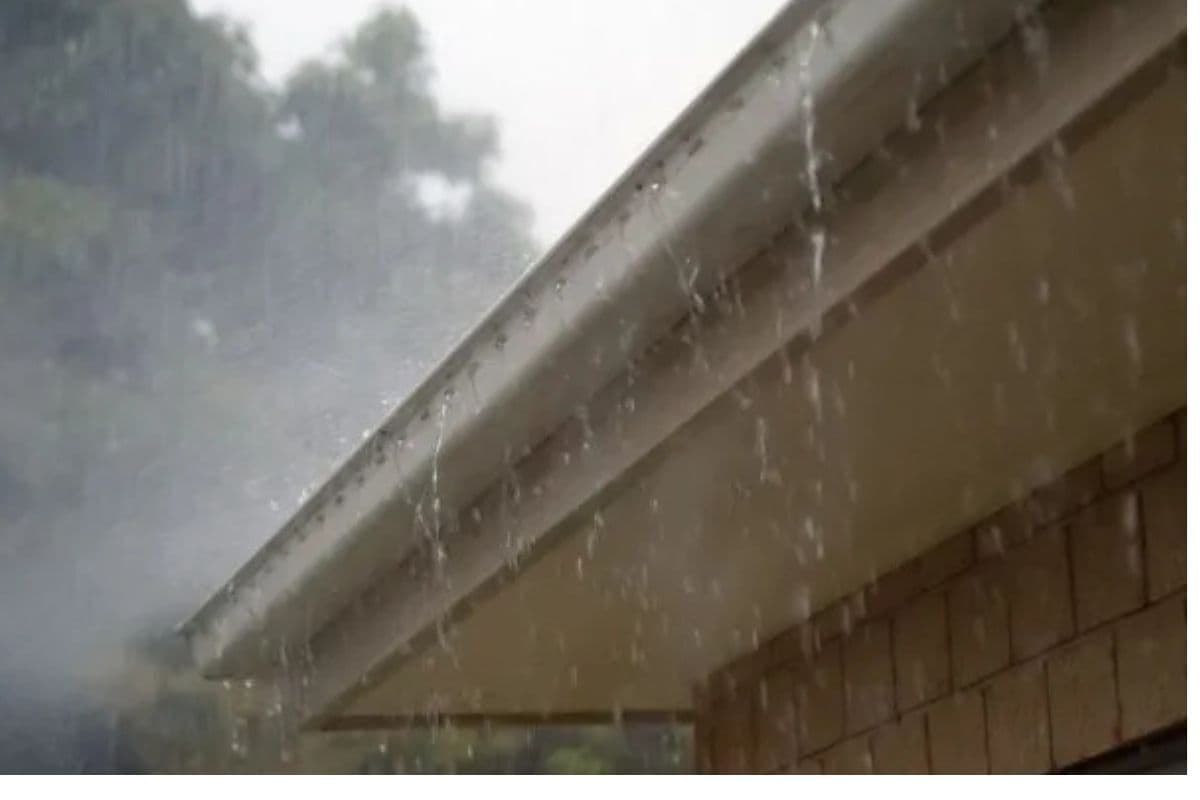
A localized weather report published on 17 August 2026 has revealed that isolated showers and rain are forecast to hit exactly one South African province. The announcement, which initially circulated through local media channels, has generated significant interest among residents across the country. However, because the initial report contains limited specific details, many citizens are left wondering which region will experience the wet weather.
According to the verified data, the weather update was captured on the evening of 17 August 2026. The core of the report focuses on the highly localized nature of the incoming weather system, which is expected to bring precipitation to just a single province while the rest of the country remains dry. This targeted forecast highlights the regional variations that frequently characterise South African weather patterns.
At this stage, several key details remain unclear. The initial report does not explicitly name the single province set to receive the rainfall, nor does it specify the expected volume of the precipitation or the exact timing of the wet weather. For South Africans planning their outdoor activities, daily commutes, or agricultural schedules, this lack of specific regional identification means that close monitoring of local updates is highly necessary.
The timing of this weather report is particularly notable as South Africa navigates the transition from late winter to early spring in mid-August. During this period, weather patterns across the country can be highly unpredictable. While winter rainfall provinces like the Western Cape often experience the final cold fronts of the season, summer rainfall regions in the interior may begin to see early signs of atmospheric instability. This transitional phase makes localized provincial forecasts crucial for regional planning.
Although the specific province has not been officially confirmed in the initial report, the prospect of isolated showers carries practical implications for local communities. For the agricultural sector, even light or isolated rainfall can influence soil preparation and crop management. For motorists and daily commuters, the sudden onset of rain can lead to slippery road conditions and reduced visibility, necessitating extra caution on the roads.
The localized nature of this forecast also underscores the geographical diversity of South Africa. With nine provinces spanning coastal subtropical zones, arid semi-desert interiors, and high-altitude plateaus, a single weather system rarely impacts the entire nation in the same way. Pinpointing weather events to a single province allows local municipalities and emergency services to remain prepared without causing unnecessary concern in unaffected regions.
In light of the limited details currently available, South Africans across all nine provinces are encouraged to stay informed through official meteorological channels. Checking daily provincial updates and local news broadcasts is the most reliable way to determine if your specific area will be affected by the incoming rain. Staying proactive ensures that residents can adapt to sudden weather changes without disruption.
As this weather system develops, observers and residents should watch for updated regional forecasts. Future updates are expected to clarify the exact path of the rain, potential temperature drops, and whether any formal weather warnings will be issued. Until then, the focus remains on monitoring local conditions as South Africa continues its transition into the spring season.
Reporting record
How this story was produced
This article was AI-generated from the frozen trend evidence and passed deterministic quality and safety gates. No cross-provider evidence review or independent human verification is claimed for this record.
- Byline
- Newstrends AI Newsroom
- First published
- Last material update
- No later material update recorded
- Distinct source identifiers
- 1 retained source identifier
Frozen source links for this publication
Chronology
Story timeline
A generated chronology for orientation; dates and details may require source verification.
Update
A weather report is published indicating that isolated showers and rain are set to hit one South African province.
Reader file
Frequently asked questions
01Which South African province is expected to get rain?
The initial report does not specify which province will be affected by the isolated showers. Residents are advised to monitor local weather updates.
02When was this weather report released?
The weather report was captured on the evening of 17 August 2026.
03What should residents do due to the lack of specific details?
Residents across all provinces should check daily localized forecasts to see if their specific area will experience wet weather.
Keep reading
Related coverage
More published reporting connected to this story.
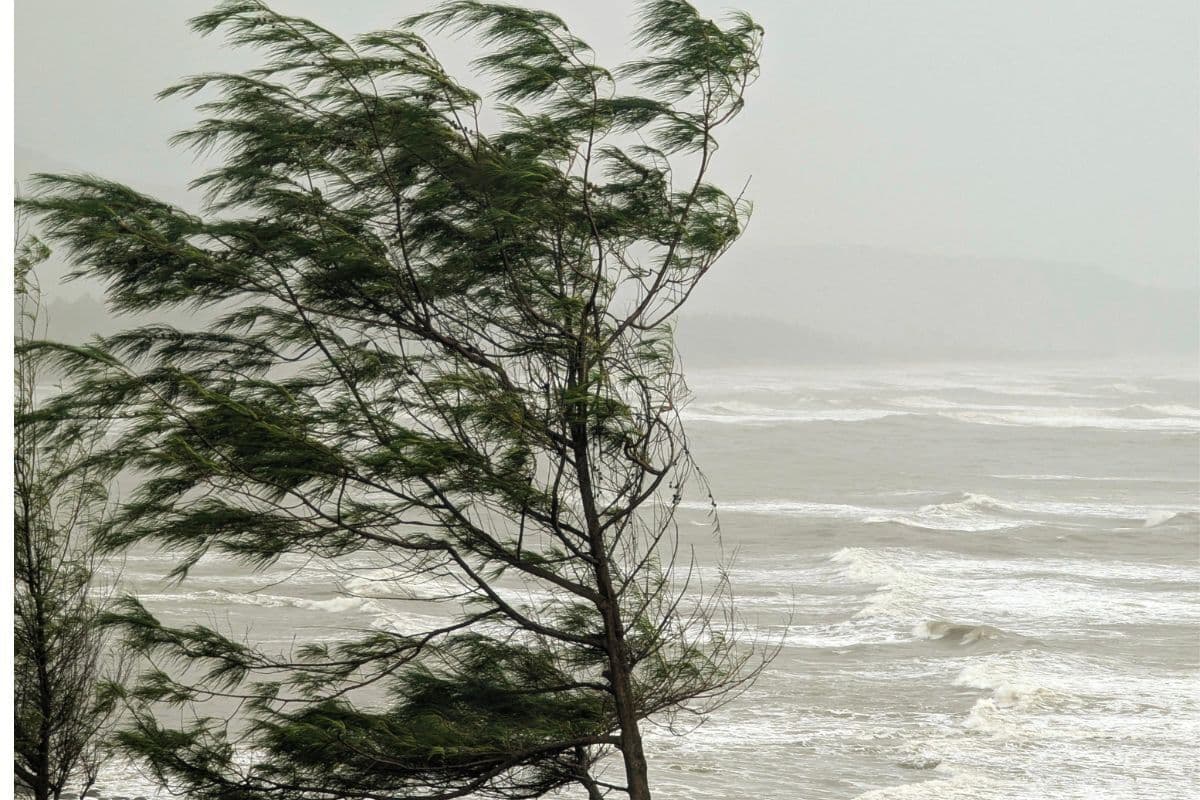
Weather Alert: Morning Fog and Fresh Coastal Winds to Affect Parts of South Africa
Parts of South Africa are expected to experience morning fog and fresh coastal winds, impacting driving visibility and marine conditions. Residents and commuters are advised to exercise caution as localized details unfold.
Frost and fog patches set to blanket parts of South Africa
Weather alerts indicate that morning frost and thick fog patches are set to blanket several parts of South Africa. Residents and motorists are advised to exercise caution as late-winter conditions impact visibility and temperatures.
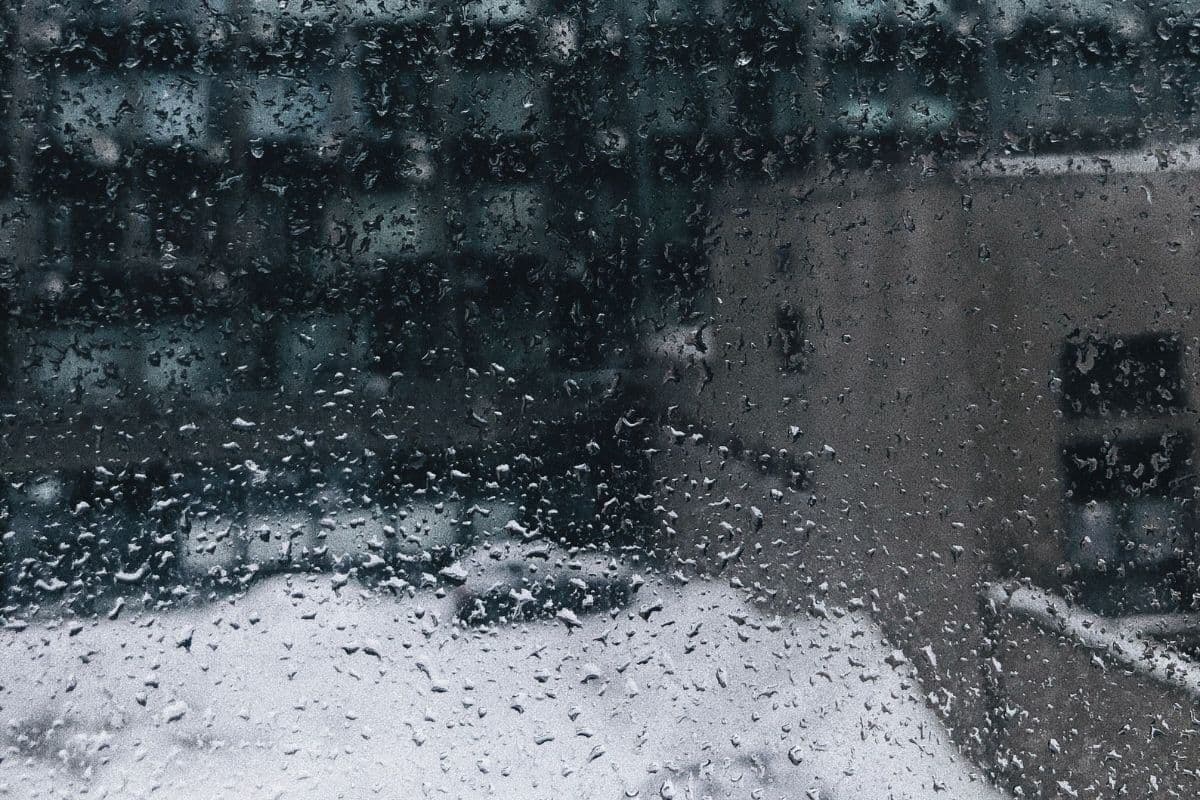
South Africa Braces for Late-Winter Weather with Morning Frost and Rain Expected
South Africans are advised to prepare for a mix of morning frost, isolated showers, and rain as late-winter weather patterns sweep across the country. The transitionary August weather brings both freezing temperatures and wet conditions.
South Africa Weather: Cloudy Skies and Rain Forecast as KZN Braces for Severe Weather
Parts of South Africa are preparing for wet weather and cloudy skies, with KwaZulu-Natal on high alert for severe conditions. Residents are urged to monitor updates as the weather system develops across the country.
Winter Fades: Gauteng Braces for Scorching Temperatures Following Recent Freezing Spell
Gauteng is set for a dramatic weather shift as freezing winter conditions give way to scorching temperatures. While specific meteorological details remain unconfirmed, the rapid transition raises questions about regional impacts and safety.