Winter Fades: Gauteng Braces for Scorching Temperatures Following Recent Freezing Spell
Gauteng is set for a dramatic weather shift as freezing winter conditions give way to scorching temperatures. While specific meteorological details remain unconfirmed, the rapid transition raises questions about regional impacts and safety.
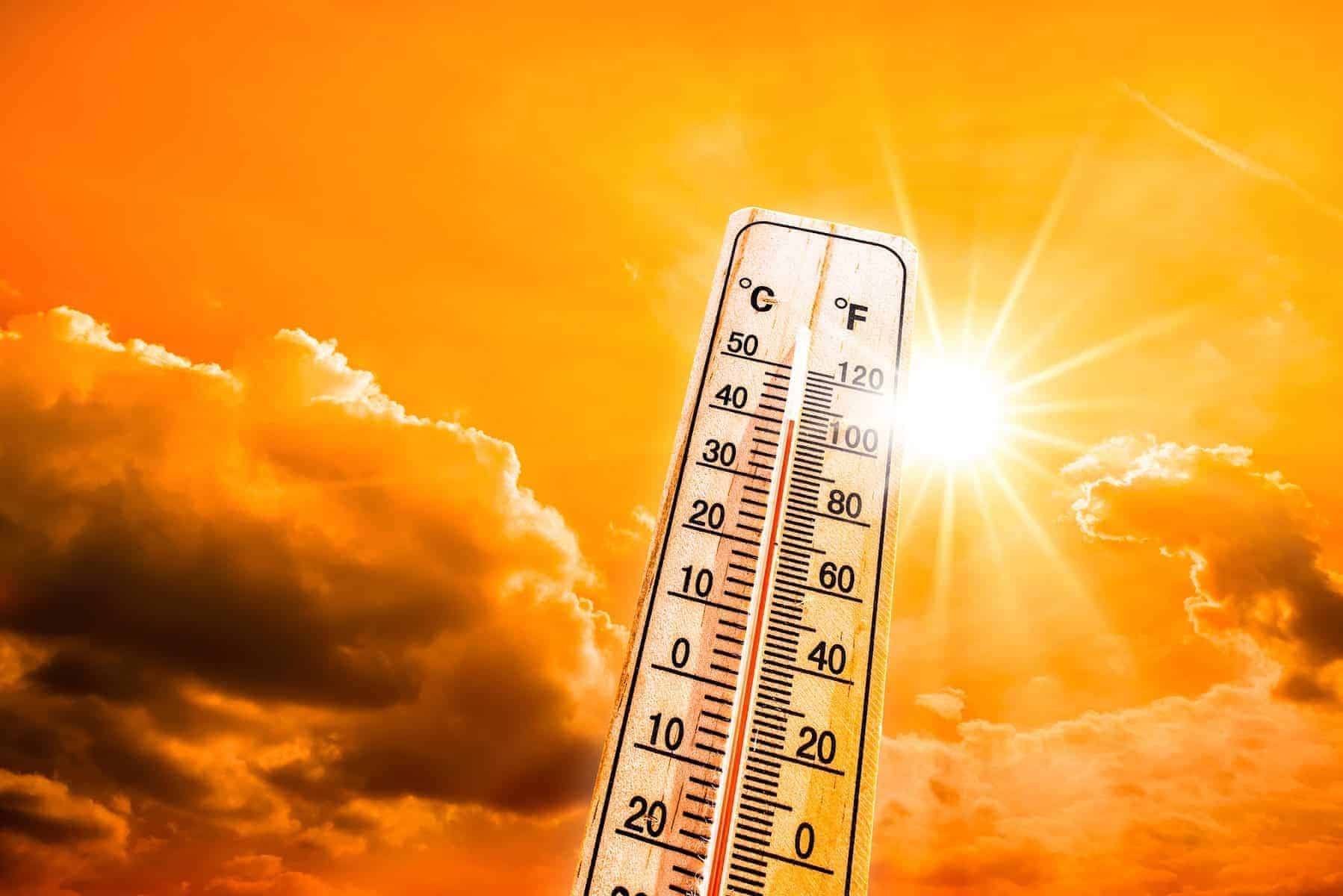
Gauteng is preparing for a dramatic weather shift as winter conditions fade, making way for scorching, post-freeze temperatures. According to reports emerging on 17 August 2026, the province, which has recently experienced freezing winter conditions, is set to transition rapidly into a period of intense heat. This sudden shift highlights the volatile nature of South Africa's seasonal transitions, particularly in the high-altitude interior.
Mid-August in South Africa often marks the boundary between the bitter cold of late winter and the first signs of spring. For Gauteng residents, who are accustomed to dry, frosty mornings during the peak winter months, the sudden onset of scorching temperatures represents a stark meteorological pivot. While the initial reports from local sources like The Citizen confirm this impending warm spell, specific temperature projections and the exact duration of the heatwave remain unconfirmed in the preliminary data.
At this stage, the available data does not specify the exact degrees Celsius expected across major Gauteng hubs such as Johannesburg and Pretoria. It is also unclear whether official weather warnings, such as heatwave alerts or high fire-danger ratings, have been formally issued by the South African Weather Service (SAWS) for this specific period. What is verified is the trend itself: a swift departure from freezing conditions towards unusually hot weather for this time of the year.
In South Africa, rapid temperature increases following a cold snap can have several practical implications. For agriculture in and around Gauteng, sudden heat after a freeze can affect crops and soil moisture levels. For urban residents, the sudden heat often leads to an immediate increase in water consumption and electricity usage, as cooling systems are turned on. However, because detailed meteorological forecasts are still pending, the precise impact on the local power grid and water infrastructure cannot be fully quantified yet.
When temperatures rise sharply after a prolonged cold period, health officials typically advise the public to take precautions. While specific health advisories for this upcoming warm spell have not been detailed in the current reports, general practices during sudden heat transitions include staying hydrated, avoiding direct sunlight during peak hours, and ensuring vulnerable individuals—such as the elderly and young children—are kept cool. The lack of specific local government advisories in the initial data means residents should remain cautious and wait for official municipal updates.
Another critical factor in Gauteng during late winter and early spring is the risk of veld fires. The province's winter is notoriously dry, leaving vegetation highly flammable. A sudden rise to scorching temperatures, especially if accompanied by wind, significantly elevates the risk of runaway fires. While the trend data does not explicitly mention wind speeds or humidity levels, the combination of post-freeze dry vegetation and sudden heat is a well-known precursor to environmental hazards in the region.
As the week progresses, residents and businesses across Gauteng will need to monitor official channels for more granular weather updates. Key details to watch for include the daily maximum temperatures for specific areas, the expected duration of this hot spell, and whether cooler conditions will return before spring fully sets in. Updates from the South African Weather Service will be crucial in clarifying whether this warming trend is a temporary anomaly or the permanent onset of the spring season.
Reporting record
How this story was produced
This article was AI-generated from the frozen trend evidence and passed deterministic quality and safety gates. No cross-provider evidence review or independent human verification is claimed for this record.
- Byline
- Newstrends AI Newsroom
- First published
- Last material update
- No later material update recorded
- Distinct source identifiers
- 1 retained source identifier
Frozen source links for this publication
Chronology
Story timeline
A generated chronology for orientation; dates and details may require source verification.
Update
Reports emerge indicating Gauteng is set for a rapid shift from freezing winter weather to scorching temperatures.
Reader file
Frequently asked questions
01What is the current weather trend in Gauteng?
Reports from mid-August 2026 indicate that Gauteng is transitioning rapidly from freezing winter conditions to scorching post-freeze temperatures.
02What are the exact expected temperatures for Gauteng?
The initial trend data does not specify exact temperature readings or the duration of the upcoming hot spell.
03Have any official weather warnings been issued?
It remains unclear whether formal heatwave or fire-danger warnings have been issued by the South African Weather Service at this stage.
Keep reading
Related coverage
More published reporting connected to this story.
Gauteng Expects Fine and Cool Friday While Fog and Rain Target KwaZulu-Natal
South Africans can expect contrasting weather conditions on Friday, 7 August 2026. Gauteng is set for fine and cool conditions, while KwaZulu-Natal faces morning fog and isolated rain showers.

Heavy Rains and Snow Cause Widespread Traffic Disruptions and Accidents Across Gauteng
Heavy rains and rare snowfall have severely disrupted Gauteng's road network, leading to multiple reported accidents. Commuters are facing major delays as emergency services respond to hazardous driving conditions across the province.

Guns Linked to Reiger Park Murders Found as School Abuse Reports and Snow Closures Hit Gauteng
South Africa faces a wave of critical developments as police recover firearms linked to the Reiger Park murders. Meanwhile, investigations are underway into alleged abuse in Gauteng schools, and heavy snow forces key road closures.
Weather Update: What South Africans Can Expect This Sunday
A national weather update has been published ahead of Sunday, prompting South Africans to check regional forecasts. While broad alerts are circulating, residents are advised to monitor localized reports for specific temperature and rainfall details.
Weather Alert: Morning Fog and Fresh Coastal Winds to Affect Parts of South Africa
Parts of South Africa are expected to experience morning fog and fresh coastal winds, impacting driving visibility and marine conditions. Residents and commuters are advised to exercise caution as localized details unfold.