Frost and fog patches set to blanket parts of South Africa
Weather alerts indicate that morning frost and thick fog patches are set to blanket several parts of South Africa. Residents and motorists are advised to exercise caution as late-winter conditions impact visibility and temperatures.
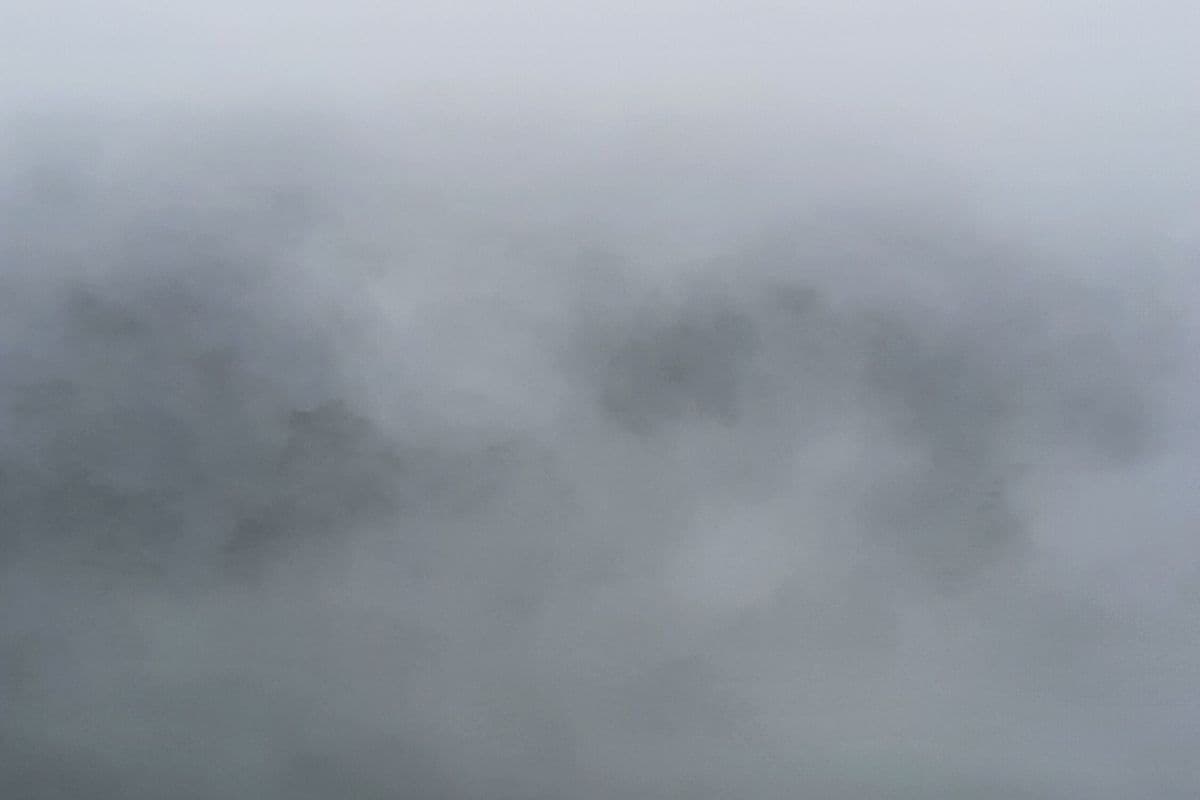
South Africans are bracing for a cold start to the day as reports emerge of impending frost and fog patches set to blanket parts of the country. According to weather tracking data captured on 14 August 2026, these winter conditions are expected to affect several regions, requiring caution from motorists and residents alike. The alert, originally published by local news outlet The South African, signals a continuation of chilly conditions as the country navigates the final weeks of the winter season.
While the initial weather reports confirm the arrival of these frost and fog patches, specific details regarding which provinces or municipalities will be hardest hit remain unconfirmed in the preliminary data. Historically, inland areas such as the Highveld, parts of the Free State, Gauteng, and the Eastern Cape highlands are most susceptible to severe morning frost during August. However, without official regional breakdowns from the South African Weather Service in this specific announcement, residents across all typically vulnerable inland areas are advised to remain vigilant.
Fog patches present a notable hazard, particularly for early morning commuters and long-distance travellers. When thick fog descends, visibility on major South African highways—such as the N1, N3, and N12—can drop to near zero within minutes. Traffic authorities regularly warn motorists to reduce their speed, maintain a safe following distance, and utilise fog lights or hazards to ensure they are visible to other road users. The sudden onset of these conditions often catches drivers off guard, making early warnings crucial for road safety.
Beyond the roads, the threat of frost carries significant implications for South Africa's agricultural sector. Late-winter frost can be particularly damaging to sensitive crops, emerging seedlings, and livestock. Farmers in frost-prone regions often have to take active measures, such as covering vulnerable plants or moving livestock to sheltered areas, to mitigate the impact of freezing overnight temperatures. Because the exact geographical spread of the frost has not been detailed in the initial report, agricultural communities are left to monitor local thermometer readings closely.
August in South Africa is traditionally characterised by transitional weather patterns. While some days may bring milder temperatures signalling the approach of spring, overnight temperatures frequently plummet, creating the perfect conditions for frost formation. This period is also known for dry, windy conditions in the interior, which can exacerbate the chill factor when combined with early morning dampness that leads to fog. The current weather pattern fits squarely within these expected seasonal shifts.
As the country awaits further detailed updates on the progression of these weather systems, South Africans are encouraged to take basic precautionary measures. Homeowners can protect delicate garden plants from overnight frost, while motorists should plan for potential travel delays caused by reduced visibility during their morning commutes. Ensuring that vehicles are in roadworthy condition, particularly with functioning lights and windscreen wipers, is highly recommended during this period.
Moving forward, the public should keep a close eye on official updates from the South African Weather Service and local disaster management centres. These bodies are expected to provide localised alerts, specific temperature forecasts, and detailed regional maps outlining the exact path of the cold front and associated fog patches. Until those detailed advisories are released, maintaining general winter safety protocols remains the most prudent course of action for all South Africans.
Reporting record
How this story was produced
This article was AI-generated from the frozen trend evidence and passed deterministic quality and safety gates. No cross-provider evidence review or independent human verification is claimed for this record.
- Byline
- Newstrends AI Newsroom
- First published
- Last material update
- No later material update recorded
- Distinct source identifiers
- 1 retained source identifier
Frozen source links for this publication
Chronology
Story timeline
A generated chronology for orientation; dates and details may require source verification.
Update
Weather alerts warn of impending frost and fog patches set to blanket parts of South Africa.
Reader file
Frequently asked questions
01Which parts of South Africa will be affected by the frost and fog?
The initial reports indicate that parts of South Africa will experience these conditions, but specific provinces or regional breakdowns have not yet been detailed.
02How should motorists drive in thick fog?
Drivers are advised to reduce speed, maintain a safe following distance, and use fog lights or hazard lights to remain visible to others.
Keep reading
Related coverage
More published reporting connected to this story.
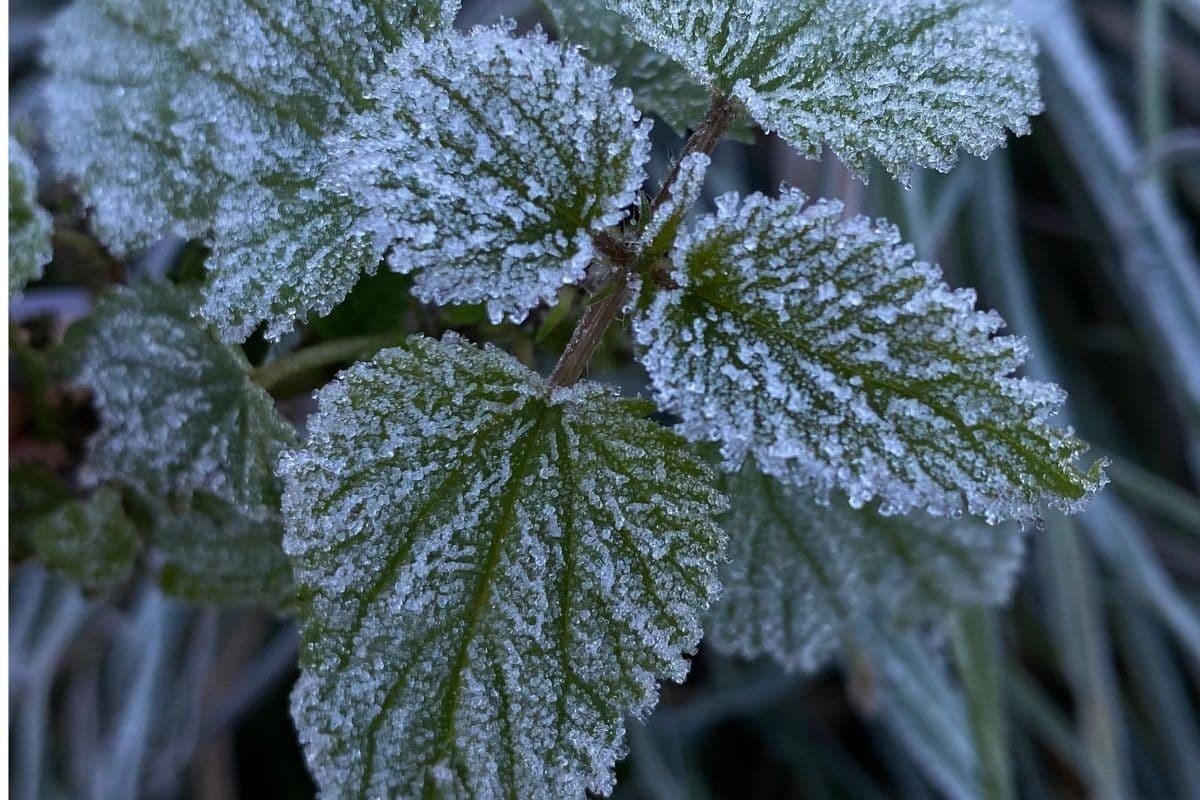
Weather Alert: Morning Frost and Rain Expected to Sweep Across Parts of South Africa
South Africans are advised to prepare for icy mornings and wet conditions as a winter weather system brings frost and rain to parts of the country. The dual-weather pattern highlights typical mid-winter contrasts between the interior and coastal regions.
WEATHER: South African Provinces Brace for Incoming Light Snow, Rain and Gale-Force Winds
South Africans are urged to prepare for a sudden shift in weather as reports warn of light snow, rain, and gale-force winds. While specific provinces have not yet been detailed, residents across vulnerable regions should remain alert.

WEATHER ALERT: Cloudy, cold conditions and rain set to hit two South African provinces
A new weather system is forecast to bring cold, cloudy conditions and rainfall to two South African provinces. While the specific regions have not yet been named, residents are urged to prepare for a late-winter temperature drop.
Strong Winds, Fire Danger and Icy Roads: SA Warned of Hazardous Thursday Weather
South Africans are urged to exercise extreme caution on Thursday, 13 August 2026, due to a hazardous weather forecast. The warning highlights a dangerous combination of strong winds, elevated fire danger, and icy roads across parts of the country.
South Africa Braces for Disruptive Snow and Rain as Severe Weekend Weather Approaches
South Africans are warned to prepare for a weekend of severe weather, with disruptive snow and heavy rain forecast to hit the country. The upcoming weather system is expected to cause travel delays and localized disruptions across several regions.