South Africa Braces for Late-Winter Weather with Morning Frost and Rain Expected
South Africans are advised to prepare for a mix of morning frost, isolated showers, and rain as late-winter weather patterns sweep across the country. The transitionary August weather brings both freezing temperatures and wet conditions.
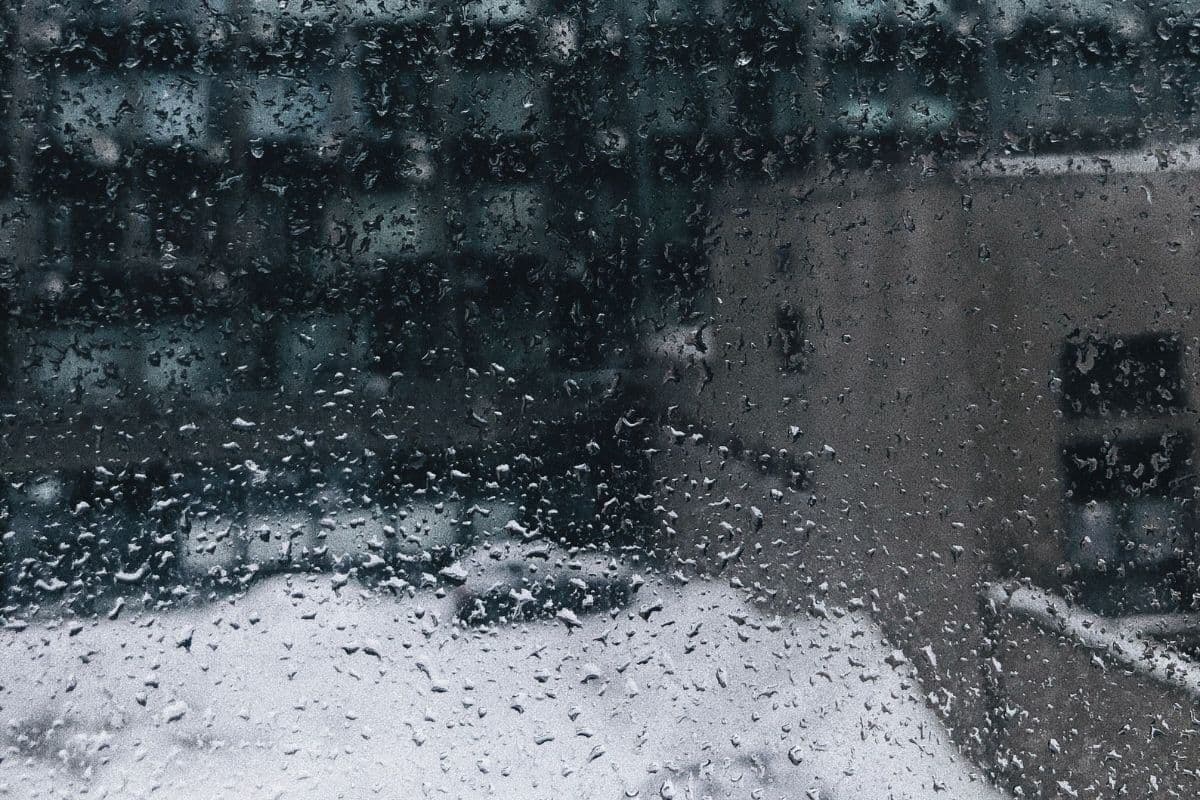
South Africans are preparing for a diverse mix of weather conditions as reports indicate morning frost, isolated showers, and rain are expected across parts of the country. This late-winter weather pattern, highlighted by local media, brings a stark reminder of the seasonal transition that characterises August in South Africa.
According to the published reports from local news source The South African, the country is facing a dual weather front. On one hand, freezing morning temperatures are set to produce frost in certain regions. On the other hand, other areas can expect wet conditions with isolated showers and rain. While the initial reports outline these broad atmospheric developments, they underscore a period of atmospheric instability typical of the current season.
At this stage, the specific regional distribution of these weather phenomena remains unclear from the initial high-level trend data. In South Africa, morning frost typically affects the high-lying interior regions such as the Highveld, parts of the Free State, and the Eastern Cape mountains. Meanwhile, isolated showers and rain are more frequently associated with coastal provinces like the Western Cape, Eastern Cape, or KwaZulu-Natal. Residents will need to monitor localized forecasts to see exactly which provinces will bear the brunt of the frost versus the rain.
August is traditionally a transitional month in South Africa, often marked by volatile weather systems, strong winds, and sudden temperature shifts. The occurrence of morning frost indicates that winter has not yet fully relinquished its grip on the interior. At the same time, the arrival of isolated showers and rain signals the shifting atmospheric dynamics that precede the spring season. This combination of cold, dry frost and wet weather requires careful preparation from different sectors of the population.
The practical implications of morning frost are particularly significant for the South African agricultural sector. Farmers in frost-prone areas must take precautions to protect sensitive crops and vulnerable livestock from freezing overnight temperatures. For suburban gardeners and homeowners, covering delicate plants and ensuring outdoor pets are kept warm are standard winter-end practices. Conversely, the expected rain and isolated showers will be watched closely by those in water-scarce regions, though sudden downpours can also pose localized risks.
For commuters and motorists, the dual threat of morning frost and rain introduces distinct hazards on South African roads. Morning frost can lead to icy patches on roads, particularly on bridges and in low-lying areas, reducing tyre traction during the early morning rush hour. As the day progresses, isolated showers and rain can create slippery road surfaces and reduce visibility. Traffic authorities consistently urge drivers to reduce their speed, maintain a safe following distance, and ensure their headlights and windscreen wipers are fully functional.
Given the variability of the expected weather, South Africans are advised to keep a close eye on updates from official meteorological channels. Because weather conditions can shift rapidly, localized alerts are crucial for planning daily commutes, agricultural activities, and outdoor events. Staying informed through reputable news platforms and official weather services remains the most effective way to navigate these late-winter conditions safely.
As the country navigates this period of morning frost and wet weather, the resilience of local communities is once again put to the test. Whether bracing for a freezing start to the day or preparing for sudden rain showers, taking proactive measures can significantly mitigate the impact of these seasonal fluctuations. The public is encouraged to remain vigilant, adapt to changing conditions, and prioritize safety as South Africa moves closer to the warmer spring months.
Reporting record
How this story was produced
This article was AI-generated from the frozen trend evidence and passed deterministic quality and safety gates. No cross-provider evidence review or independent human verification is claimed for this record.
- Byline
- Newstrends AI Newsroom
- First published
- Last material update
- No later material update recorded
- Distinct source identifiers
- 1 retained source identifier
Frozen source links for this publication
Chronology
Story timeline
A generated chronology for orientation; dates and details may require source verification.
Update
Weather updates indicate morning frost, isolated showers, and rain are expected across South Africa.
Reader file
Frequently asked questions
01What weather conditions are expected?
South Africans can expect a combination of morning frost in some areas, along with isolated showers and rain in others.
02When was this weather pattern reported?
The weather update was reported on 13 August 2026, highlighting typical late-winter atmospheric conditions.
03Which regions will be most affected by the frost and rain?
The initial reports do not specify exact locations, but morning frost typically impacts the high-lying interior, while showers are common along coastal provinces.
Keep reading
Related coverage
More published reporting connected to this story.
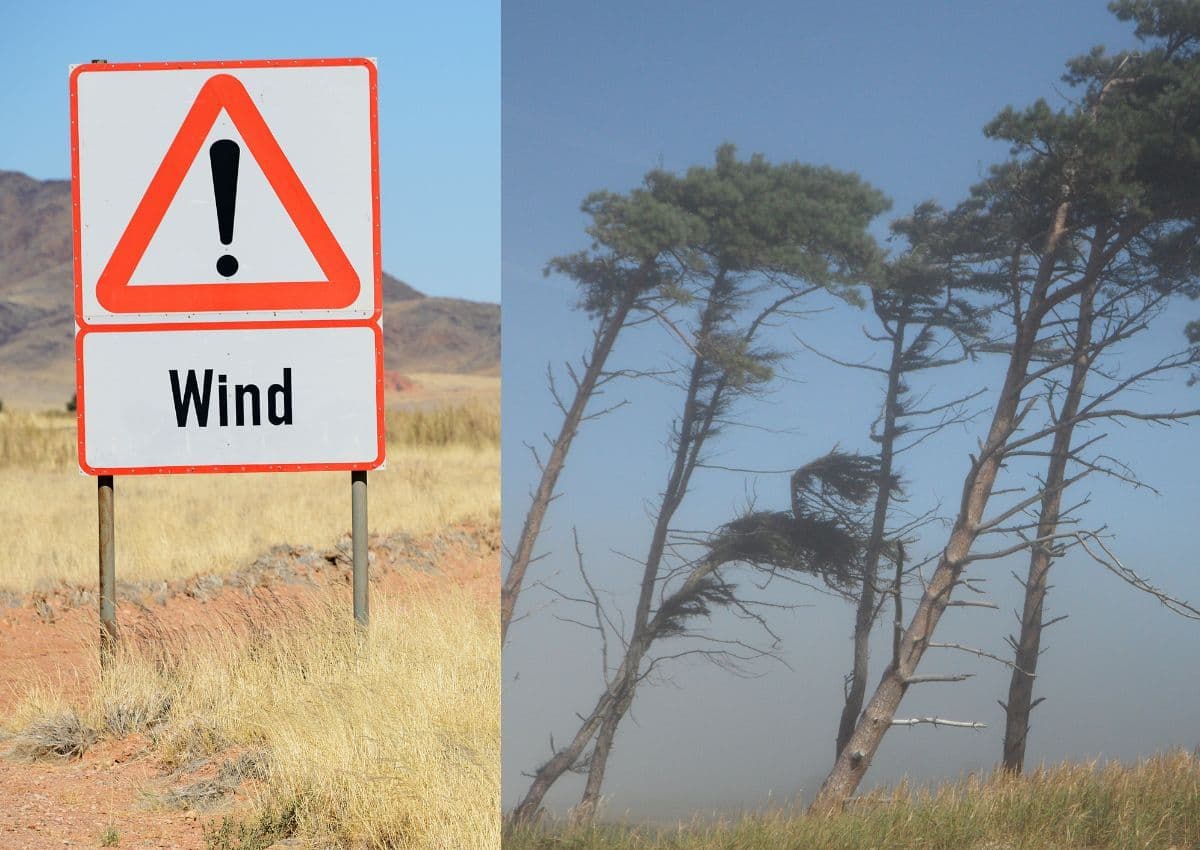
Weather Alert: Strong winds and rain expected to hit parts of South Africa
South Africans are advised to prepare for incoming strong winds and wet weather following initial alerts on 1 August 2026. While specific regions remain unconfirmed, the transition into August typically brings volatile weather across the country.
South Africa Braces for Severe Weather Alert Warning of Damaging Winds, Waves, and Extreme Fire Danger
A national weather alert has been issued for South Africa on 5 August 2026, warning of damaging winds, high waves, and extreme fire danger. While specific regional impacts remain unconfirmed, residents are urged to prepare for potential disruptions.

WEATHER ALERT: Cloudy, cold conditions and rain set to hit two South African provinces
A new weather system is forecast to bring cold, cloudy conditions and rainfall to two South African provinces. While the specific regions have not yet been named, residents are urged to prepare for a late-winter temperature drop.
Severe Weather Alert: Cold, Wet, and Windy Conditions Expected for the Long Weekend
South Africans are being warned to prepare for a significant drop in temperature along with wet and windy conditions ahead of the upcoming long weekend. The severe weather alert has prompted calls for caution, particularly for those planning to travel. Residents are advised to monitor official updates as the weather system develops.
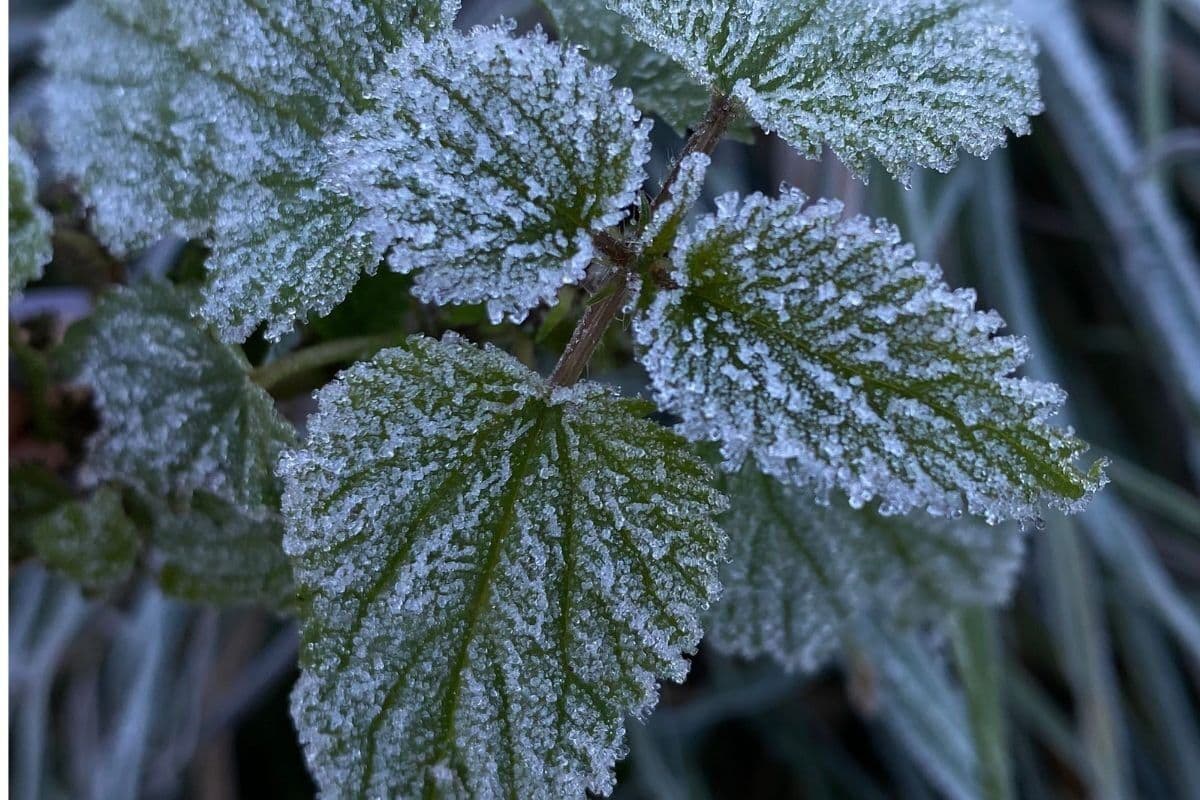
Weather Alert: Morning Frost Expected Across Multiple South African Provinces
A weather advisory has warned of expected morning frost across several South African provinces. While the specific regions have not been detailed, residents and farmers are urged to prepare for freezing early morning temperatures.