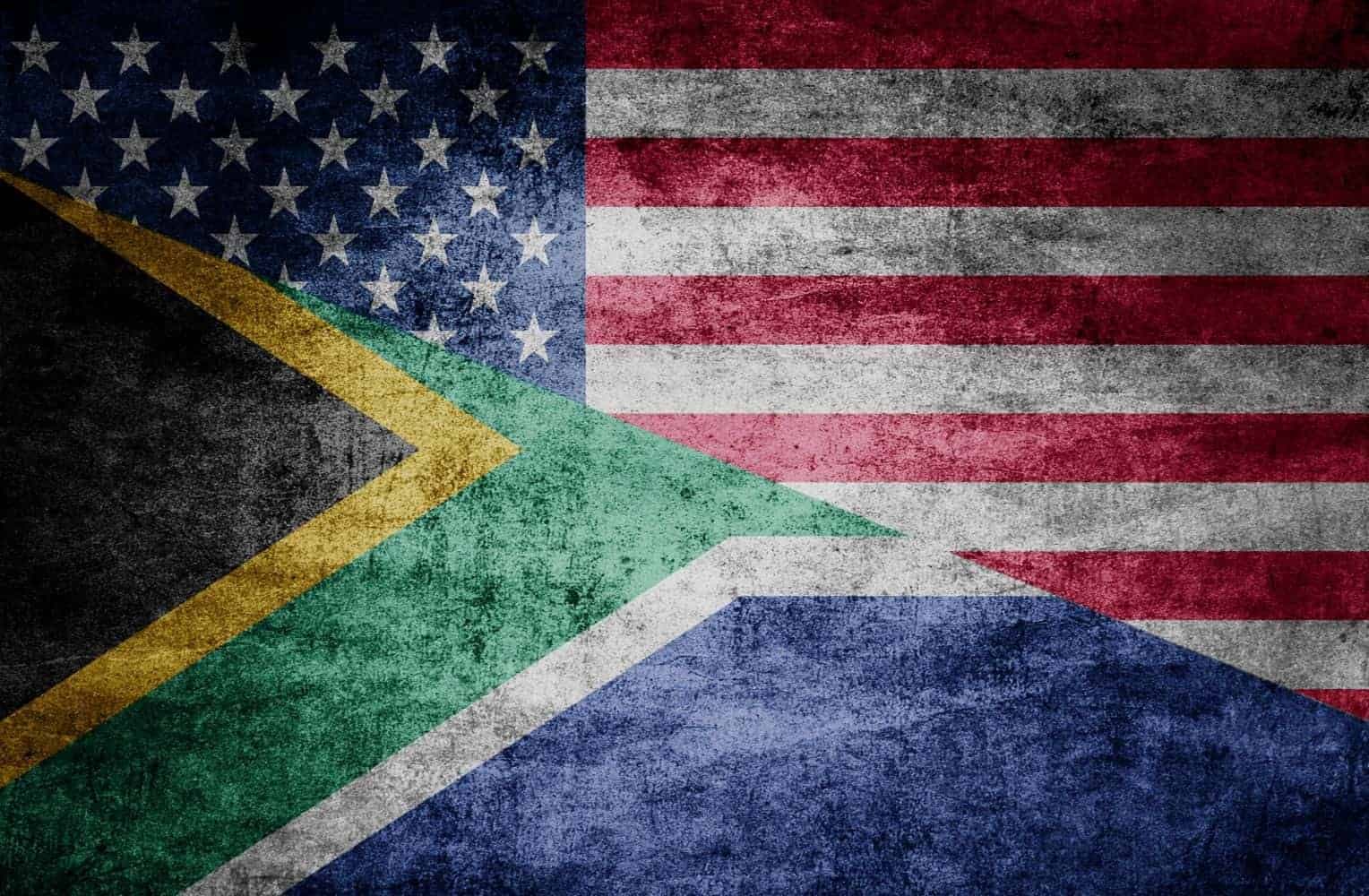
Diplomatic relations between Pretoria and Washington have hit a significant roadblock following the imposition of a United States visa ban, the details of which remain closely guarded. Amid growing concerns over the diplomatic fallout, prominent commentator Bozell has suggested that former South African President Thabo Mbeki is the most capable figure to mediate and break the current impasse. The development highlights a delicate period in bilateral relations between South Africa and its Western partner, with key details about the ban still withheld from the public eye.
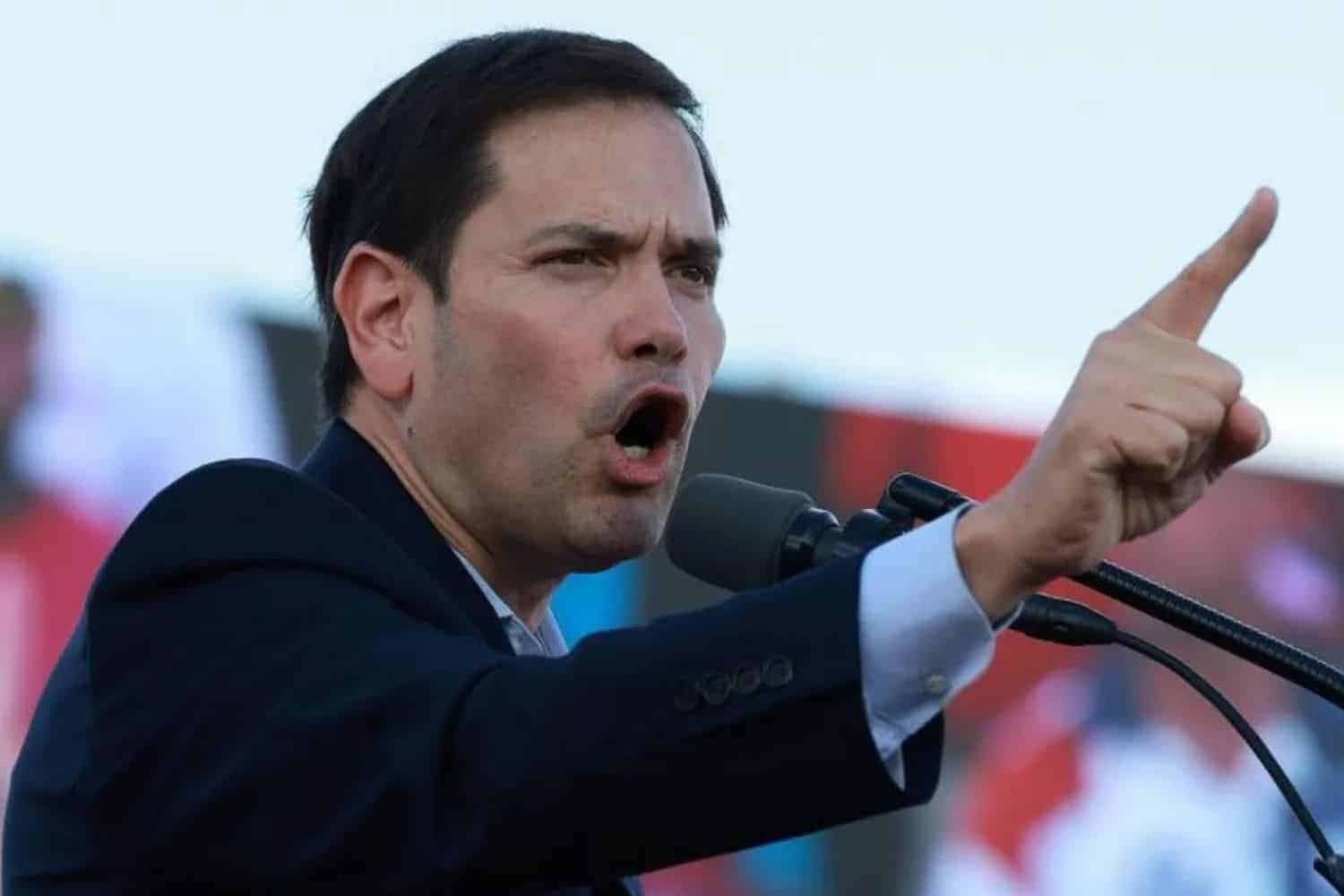
At the heart of the current diplomatic friction is the US visa ban, which has seen the names of affected individuals kept strictly confidential. This secrecy has fueled intense speculation within political circles, yet official channels have maintained a tight lid on the identities of those targeted. The refusal to release the names has complicated Pretoria’s response, leaving the South African government to navigate a sensitive diplomatic minefield without full public disclosure of who has been restricted from entering the United States.
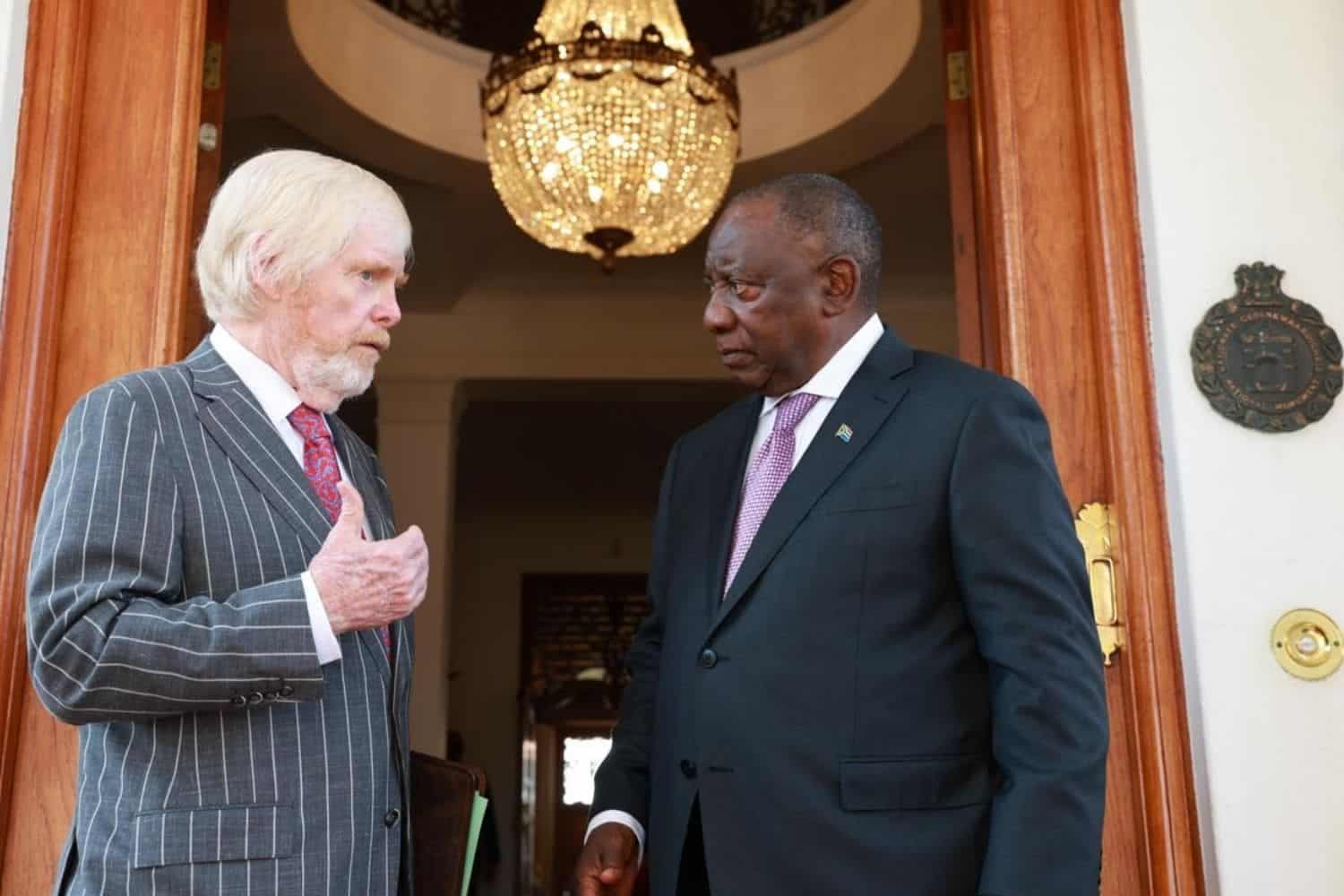
Commentator Bozell has publicly pointed to Thabo Mbeki as the ideal candidate to resolve the Pretoria-Washington deadlock. According to Bozell, Mbeki’s extensive diplomatic track record and intellectual stature make him uniquely suited to navigate the complex grievances held by both governments. Bozell’s assessment suggests that traditional diplomatic channels may have stalled, necessitating the intervention of a seasoned elder statesman who commands respect both locally and internationally.
Thabo Mbeki, who served as South Africa's president from 1999 to 2008, has long been regarded as one of the continent's foremost diplomats. Throughout his presidency and post-presidential career, Mbeki spearheaded numerous peace negotiations and bilateral agreements across Africa. His potential involvement in the Pretoria-Washington dispute is seen as a strategic option to de-escalate tensions and foster a more constructive dialogue between the South African presidency, led by Cyril Ramaphosa, and US authorities.
The current impasse comes at a time when South Africa’s foreign policy is under intense international scrutiny. Relations between Pretoria and Washington have faced various pressure points in recent years, ranging from divergent stances on global conflicts to trade negotiations. The introduction of a visa ban, coupled with the decision to keep the targeted names secret, represents a challenging chapter in these bilateral ties, threatening to disrupt long-standing diplomatic and economic cooperation.
While the call for Mbeki’s mediation has gained traction, several critical details remain unresolved. It is currently unclear whether the South African government or President Cyril Ramaphosa has formally approached Mbeki to step into this mediating role. Furthermore, the United States government has not publicly commented on Bozell's proposal or indicated whether it would be open to third-party mediation regarding its sovereign visa policies.
As the situation develops, South Africans and international observers alike will be watching closely to see how Pretoria addresses the visa restrictions. The secrecy surrounding the banned individuals continues to cast a shadow over diplomatic engagements, and the potential involvement of Thabo Mbeki could prove pivotal. Whether Mbeki will indeed step forward to break the Pretoria-Washington impasse remains to be seen, but his name represents a significant diplomatic lever in a highly sensitive international standoff.