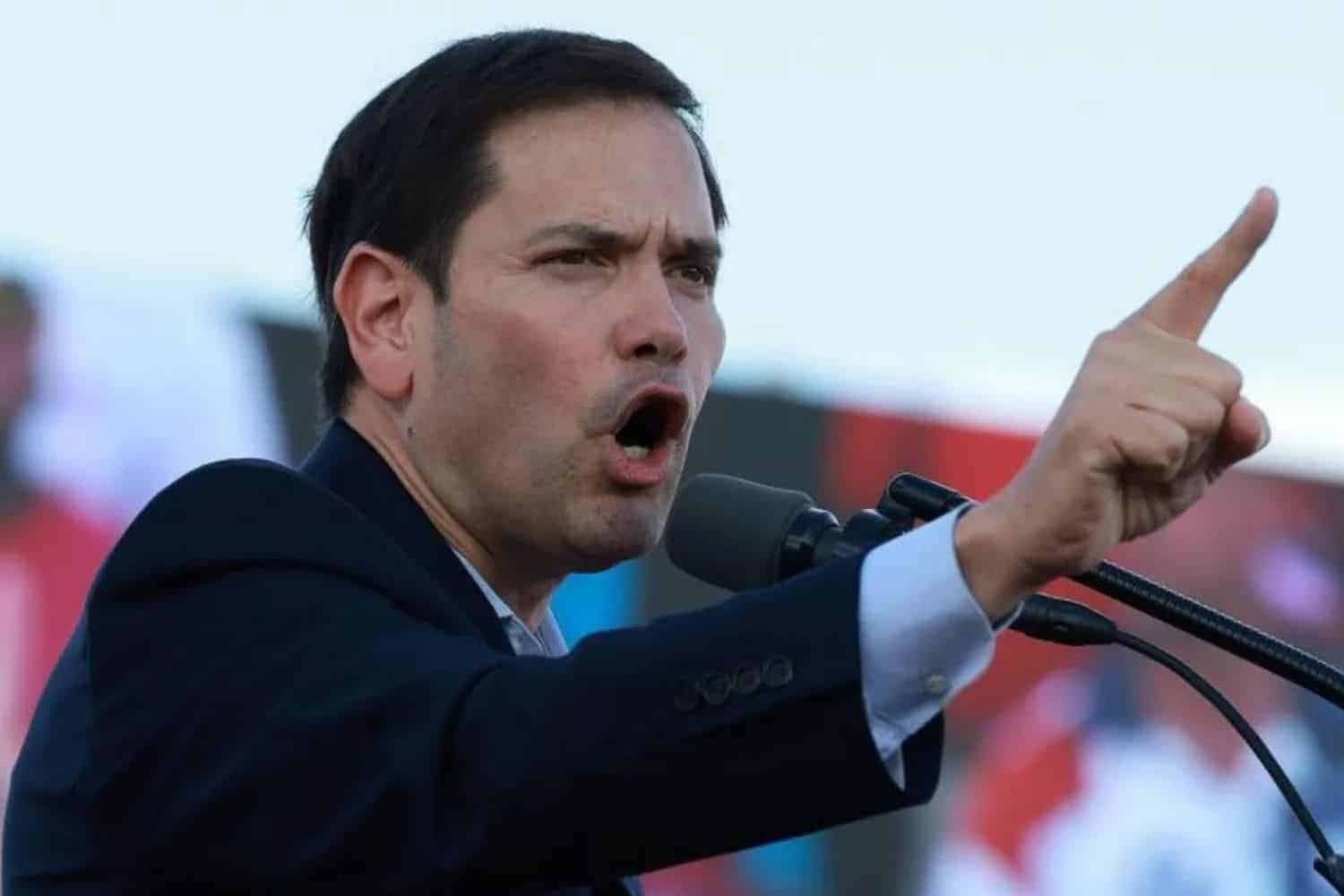
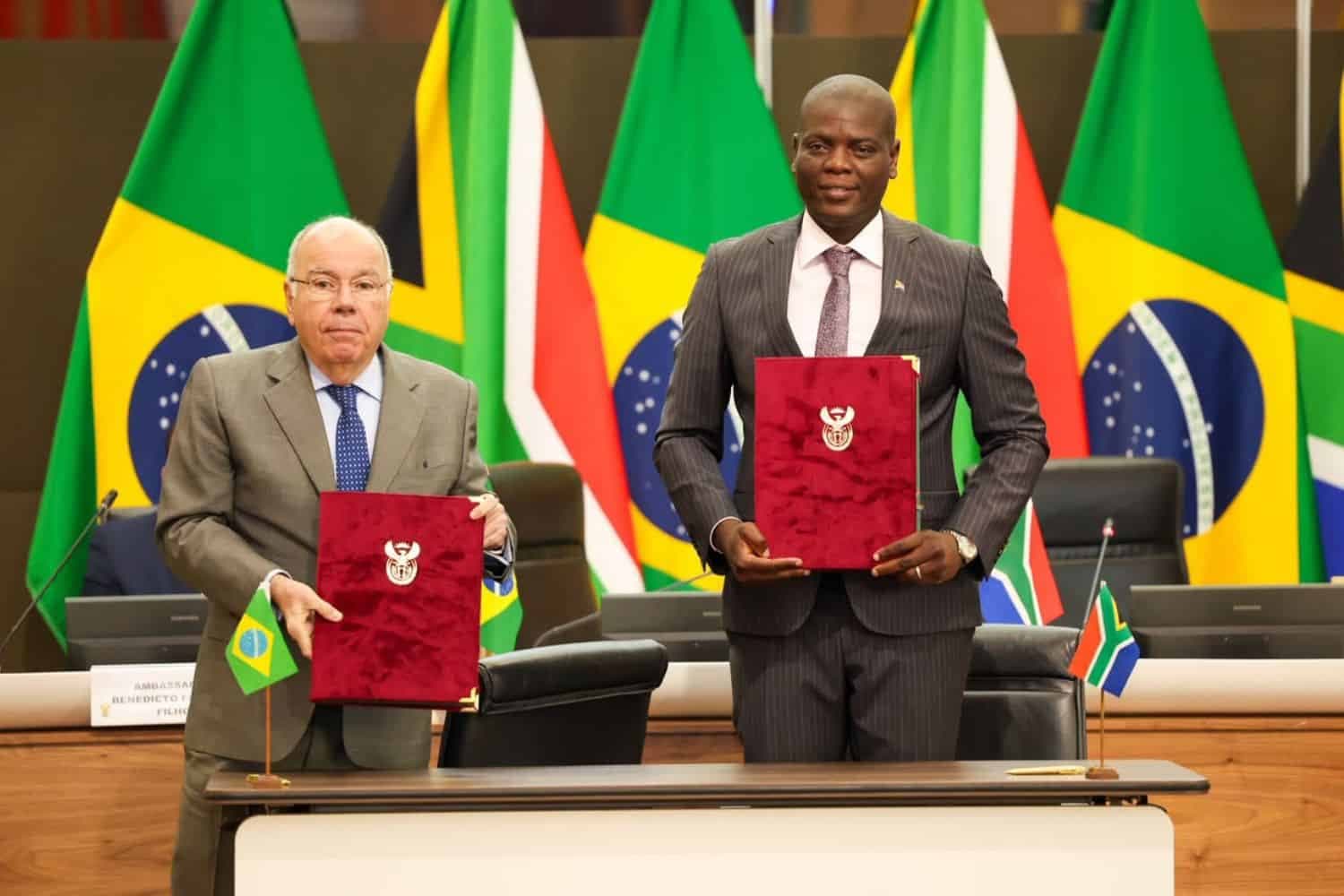
Reports emerged on 16 September 2026 indicating that new visa restrictions have been slapped on South African officials. The restrictions, reportedly introduced by Rubio, are said to be a direct response to allegations of 'race-based discrimination' within the country. This developing story, first highlighted by local media outlet The Citizen, has sparked immediate interest and concern regarding the potential fallout for diplomatic relations between South Africa and the United States.
At this stage, the primary details of the development stem from initial media reports published on 16 September 2026. The action involves Rubio—whose associated media files reference Marc Rubio—imposing travel sanctions that directly target South African government representatives. The core justification cited for these diplomatic measures is 'race-based discrimination', a serious accusation that signals a notable shift in how certain international actors are viewing South Africa's domestic policies and governance.
However, because this is a rapidly developing situation, several critical details remain unconfirmed. It is currently unclear which specific South African officials or government departments are targeted by these new visa restrictions. Additionally, the public reports have not yet detailed the exact policies, legislation, or specific incidents of 'race-based discrimination' that prompted Rubio to take this step. Whether these restrictions target high-ranking political figures or broader administrative staff remains to be seen.
In international diplomacy, the imposition of visa restrictions is a significant tool used by foreign governments to express formal disapproval or to exert political pressure. When such measures are taken against state officials, they can severely hamper official state travel, participation in international forums, and bilateral negotiations. For South Africa, maintaining smooth diplomatic channels with global powers is crucial for economic stability and international cooperation, making these developments particularly sensitive.
For South African citizens and policy analysts, this development raises important questions about the country's international standing. While the visa restrictions currently target government officials rather than the general public, they reflect growing international scrutiny over South Africa's internal affairs. The United States remains one of South Africa's largest trading partners, and any escalation in diplomatic tension could have broader economic implications if not managed carefully by international relations officials.
The practical implications of these restrictions will depend heavily on their scope and enforcement. If the travel bans affect key cabinet members or trade negotiators, it could complicate ongoing bilateral talks and cooperative programmes between the two nations. The South African Department of International Relations and Cooperation has not yet released a detailed public response to these specific reports, but diplomatic protocol suggests that formal inquiries and discussions will likely take place behind closed doors to clarify the situation.
Moving forward, South Africans should watch for official statements from both the South African government and US representatives to clarify the exact parameters of these restrictions. Key indicators of how this situation will unfold include whether a formal list of affected officials is published, how the South African government chooses to respond to the allegations of 'race-based discrimination', and whether this move will lead to reciprocal diplomatic actions or further dialogue.