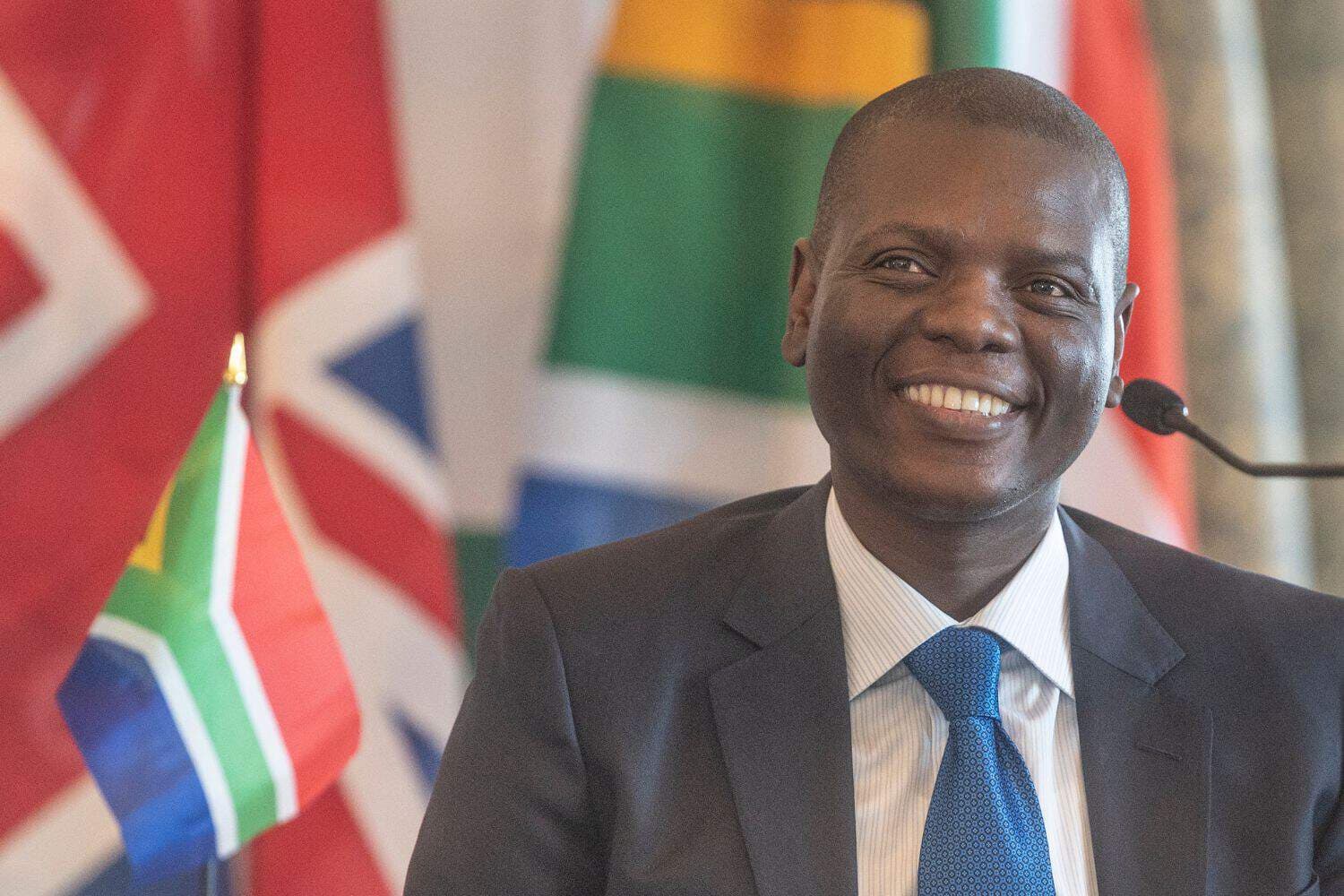
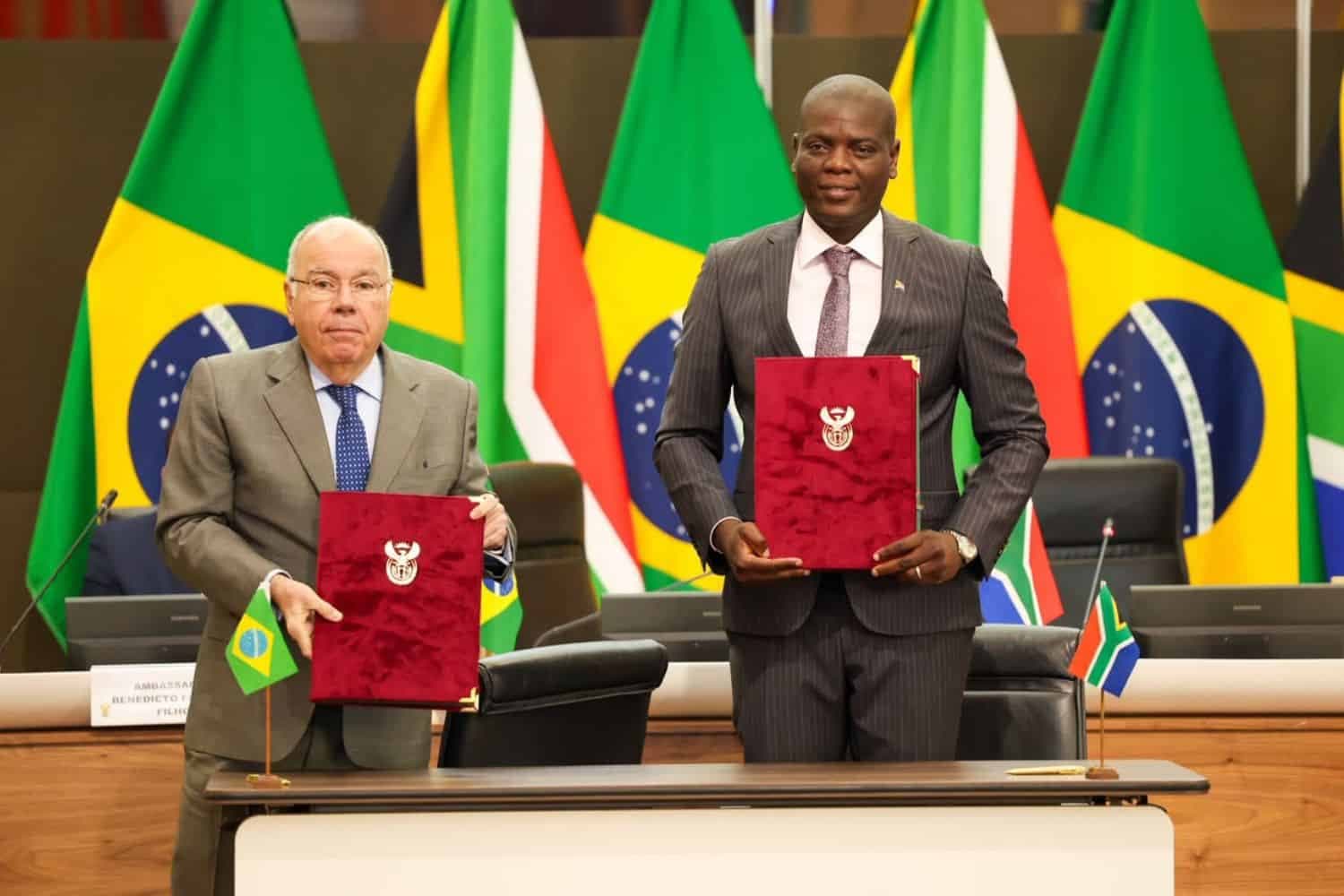
South African representative Ronald Lamola has arrived in Washington, D.C., during a period of escalating tension between South Africa and the United States. This high-profile visit comes in the wake of a major diplomatic clash sparked by a new visa crackdown implemented by the administration of US President Donald Trump. The developing situation has drawn significant public attention back home, highlighting the fragile state of bilateral relations between the two nations as they navigate these sudden policy shifts.
Reports emerging on 18 September 2026 confirm that Lamola is currently in the American capital to address the fallout from the US visa decisions. The diplomatic friction represents a critical juncture for South African foreign policy, as the government seeks to clarify the implications of the visa crackdown on its citizens. With video coverage of the visit circulating, South Africans are closely watching how this diplomatic engagement unfolds on the international stage.
The core of the current dispute lies in the visa restrictions introduced by the Trump administration. While the specific directives and legal frameworks governing this crackdown remain to be fully detailed by official sources, the immediate impact has already triggered a formal diplomatic response from South Africa. Visa policies are highly sensitive areas of bilateral cooperation, and sudden changes often disrupt travel, business, and educational exchanges between the two countries.
At this stage of the developing story, several key details remain unconfirmed. It is currently unclear which specific categories of South African travelers are most affected by the visa crackdown, or whether the restrictions apply to diplomatic passport holders as well as ordinary citizens. Furthermore, official statements detailing the precise discussions between Lamola and his US counterparts have not yet been released to the public, leaving analysts to observe the initial diplomatic posturing.
A diplomatic clash of this nature between Pretoria and Washington has far-reaching implications. The United States and South Africa share deep economic and political connections, meaning that any disruption in diplomatic goodwill can affect broader bilateral agreements. By traveling directly to Washington, Lamola is positioned to engage in direct talks, a move that underscores the urgency with which the South African government views the potential fallout of the visa restrictions.
The news of the diplomatic clash has quickly gone viral in South Africa, reflecting the high stakes for ordinary citizens who rely on travel to the United States for work, study, or family reasons. Media coverage has focused heavily on Lamola's presence in Washington, signaling that the outcome of these talks will be pivotal for future SA-US relations. The South African public is demanding clarity on how these new US policies will affect their ability to secure visas moving forward.
As the situation develops, observers are advised to monitor official communication channels from both the South African government and the United States Department of State. The next steps will likely involve formal press briefings or joint communiqués that outline whether a diplomatic resolution can be reached, or if the visa restrictions will remain firmly in place. For now, Lamola's mission in Washington remains the central focus of South Africa's foreign policy agenda.