KZN Kingpin Arrested as Authorities Crack Down on R500m Guardrail Theft Syndicate
A suspected kingpin has been arrested in KwaZulu-Natal following a major crackdown on a massive guardrail theft syndicate. The criminal network is linked to the theft of public infrastructure valued at an estimated R500 million.
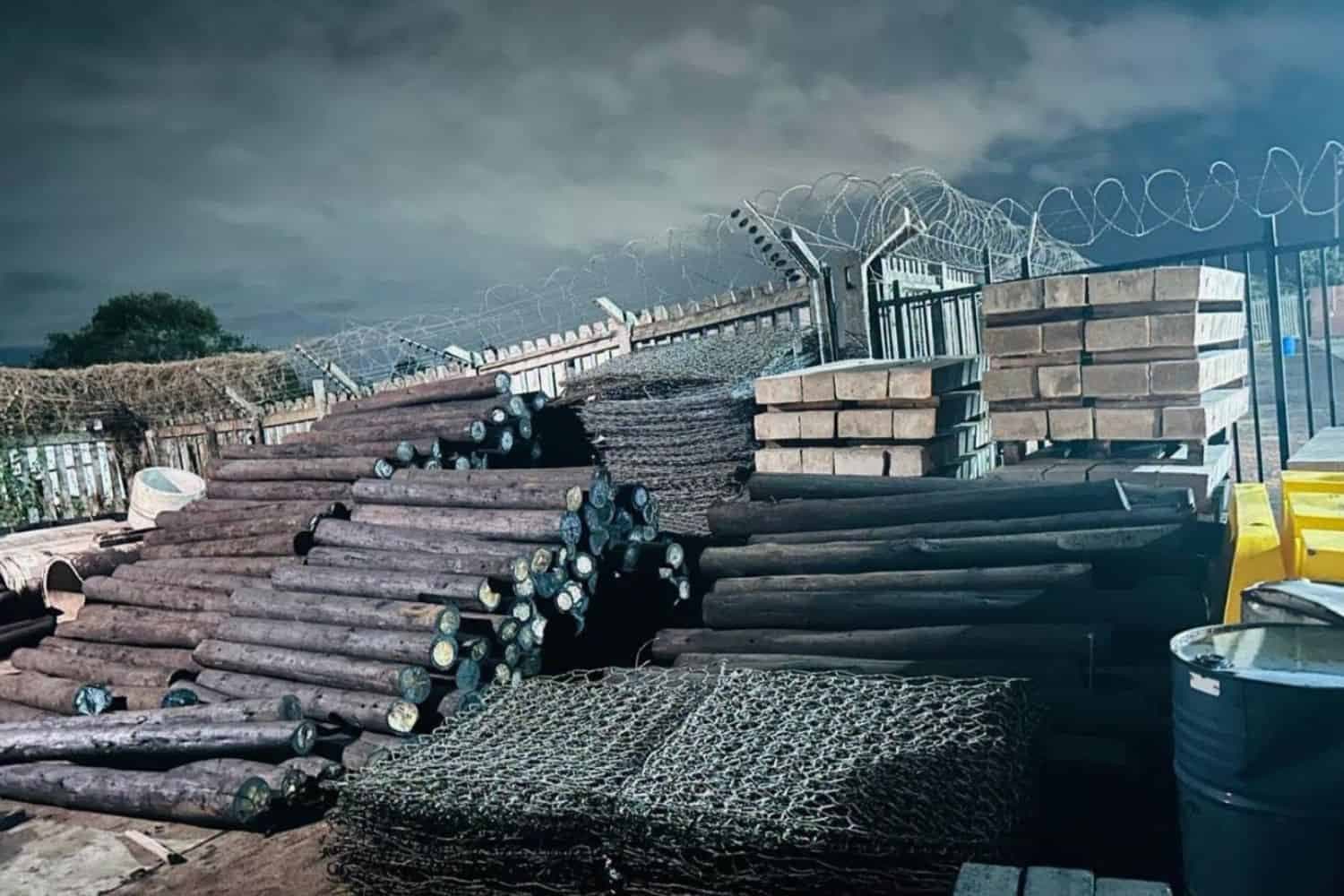
Law enforcement authorities in South Africa have dealt a massive blow to organised infrastructure crime following the arrest of a suspected kingpin in KwaZulu-Natal. The high-profile arrest is the latest development in a major crackdown targeting a sophisticated syndicate responsible for an estimated R500 million in guardrail theft. The breakthrough highlights the growing scale of public infrastructure looting and the coordinated efforts by authorities to dismantle the criminal networks behind it.
The arrest, which came to light on 14 August 2026, marks a significant milestone in ongoing efforts to protect the country's transport networks. According to initial reports, the suspect is believed to be the central figure directing a highly organised network that systematically stripped metal guardrails from public roads. These guardrails, which are essential safety features on South Africa’s highways and provincial roads, are frequently targeted by thieves looking to sell the valuable steel on the illicit market.
The R500 million valuation of the syndicate's activities underscores the devastating financial impact of infrastructure theft on South African taxpayers. While the specific details regarding the duration of the syndicate's operations and the exact volume of stolen steel have not been fully disclosed, the staggering monetary value indicates a long-running and highly coordinated criminal enterprise. Replacing these safety barriers places an immense financial burden on provincial transport departments, diverting scarce public funds from other critical development projects.
Beyond the economic toll, the theft of guardrails poses an immediate and severe threat to road safety in KwaZulu-Natal. The province is known for its challenging terrain, including steep mountain passes, sharp bends, and high-traffic corridors like the N3 freeway. Guardrails are designed to absorb impact and prevent vehicles from veering off the road or into oncoming traffic during accidents. The systematic removal of these barriers leaves motorists highly vulnerable, significantly increasing the risk of fatal crashes on major routes.
The crackdown on this specific syndicate aligns with broader national efforts to curb the rampant theft of public metals. South Africa has long grappled with the destruction of public property, with criminal networks targeting railway tracks, electricity cables, and municipal infrastructure alongside road barriers. Although authorities have not yet detailed the exact supply chains used by this KwaZulu-Natal syndicate, such operations typically rely on illicit scrap metal dealers and recycling networks to process and sell the stolen materials.
As the investigation unfolds, several key details remain undisclosed by law enforcement agencies. The identity of the arrested kingpin has not yet been formally released to the public, and it remains unclear which specific police units or task teams led the crackdown. Additionally, authorities have not confirmed whether further arrests are imminent or how many active members made up the broader syndicate. These details are expected to emerge as the suspect prepares for their initial court appearance.
Under South African law, individuals accused of orchestrating large-scale infrastructure theft face severe legal consequences. The suspect is likely to face a range of charges, which may include theft, malicious damage to property, and contraventions of the Criminal Matters Amendment Act, which provides for harsher sentences for those damaging essential infrastructure. Given the organised nature of the syndicate, prosecutors may also seek charges under the Prevention of Organised Crime Act (POCA).
The successful prosecution of this case will be closely monitored by both the public and industry stakeholders. The dismantling of a R500 million syndicate represents a crucial victory, but experts warn that sustained vigilance and stricter regulation of the scrap metal industry are required to permanently deter such crimes. South Africans will be watching to see how the legal proceedings develop and whether this arrest leads to a noticeable reduction in infrastructure vandalism across the province.
Reporting record
How this story was produced
This article was AI-generated from the frozen trend evidence and passed deterministic quality and safety gates. No cross-provider evidence review or independent human verification is claimed for this record.
- Byline
- Newstrends AI Newsroom
- First published
- Last material update
- No later material update recorded
- Distinct source identifiers
- 1 retained source identifier
Frozen source links for this publication
Chronology
Story timeline
A generated chronology for orientation; dates and details may require source verification.
Update
Reports emerge of the arrest of a suspected KZN kingpin linked to a R500 million guardrail theft syndicate.
Reader file
Frequently asked questions
01What is the estimated value of the stolen guardrails?
The syndicate is linked to the theft of public road guardrails valued at approximately R500 million.
02Has the identity of the arrested kingpin been released?
No, authorities have not yet publicly released the name or identity of the suspected KZN kingpin.
03Why is guardrail theft such a serious issue in KwaZulu-Natal?
Guardrails are crucial safety features on roads. Their removal poses a direct threat to motorists, especially on the province's steep and high-traffic routes, while also placing a heavy financial burden on taxpayers.
Keep reading
Related coverage
More published reporting connected to this story.
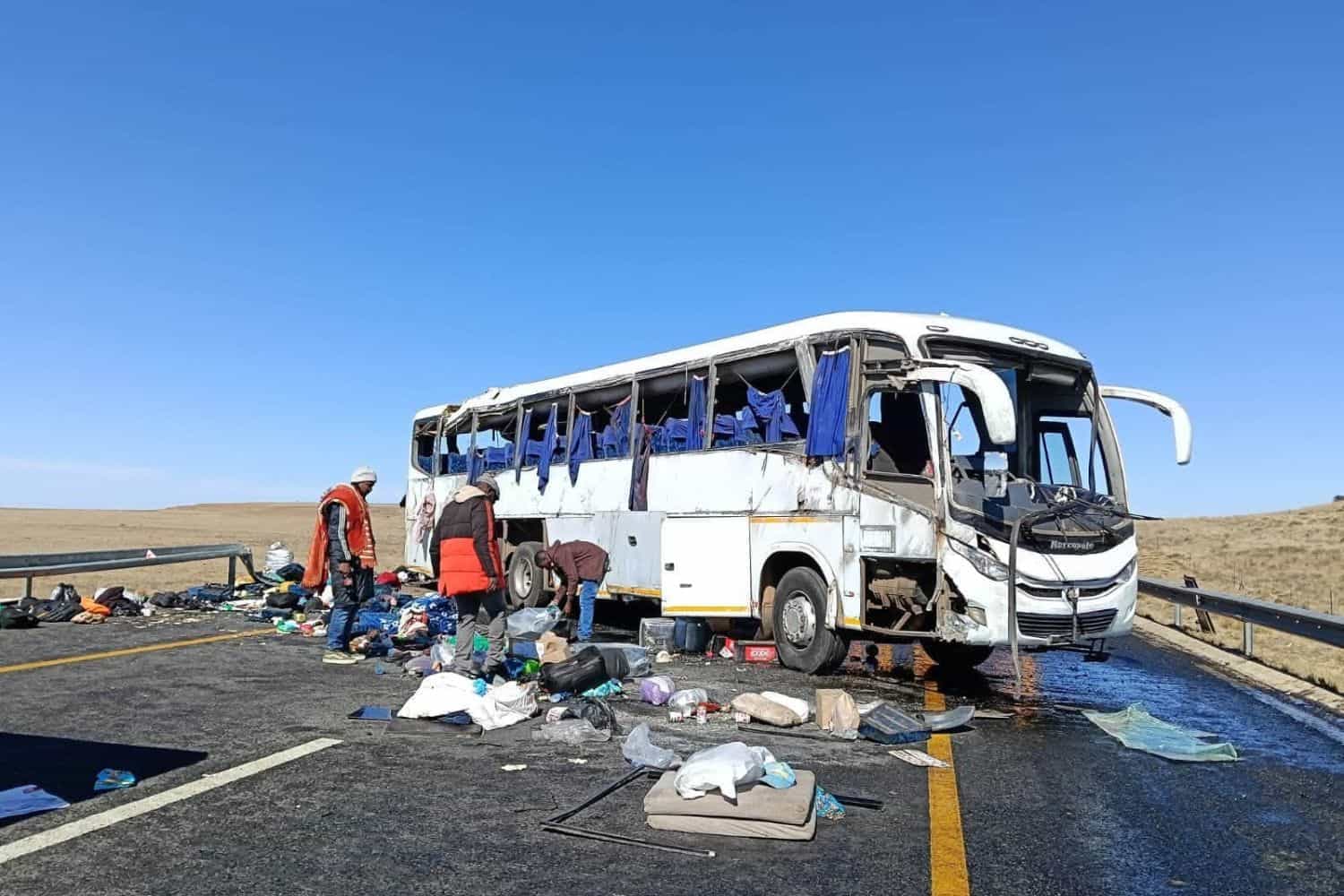
Tragedy on SA Roads: N1 Free State Bus Crash Toll Rises as Three Die in KZN Collision
The death toll from a major bus crash on the N1 in the Free State has risen, while a separate collision between a taxi and a car in KwaZulu-Natal has left three people dead.
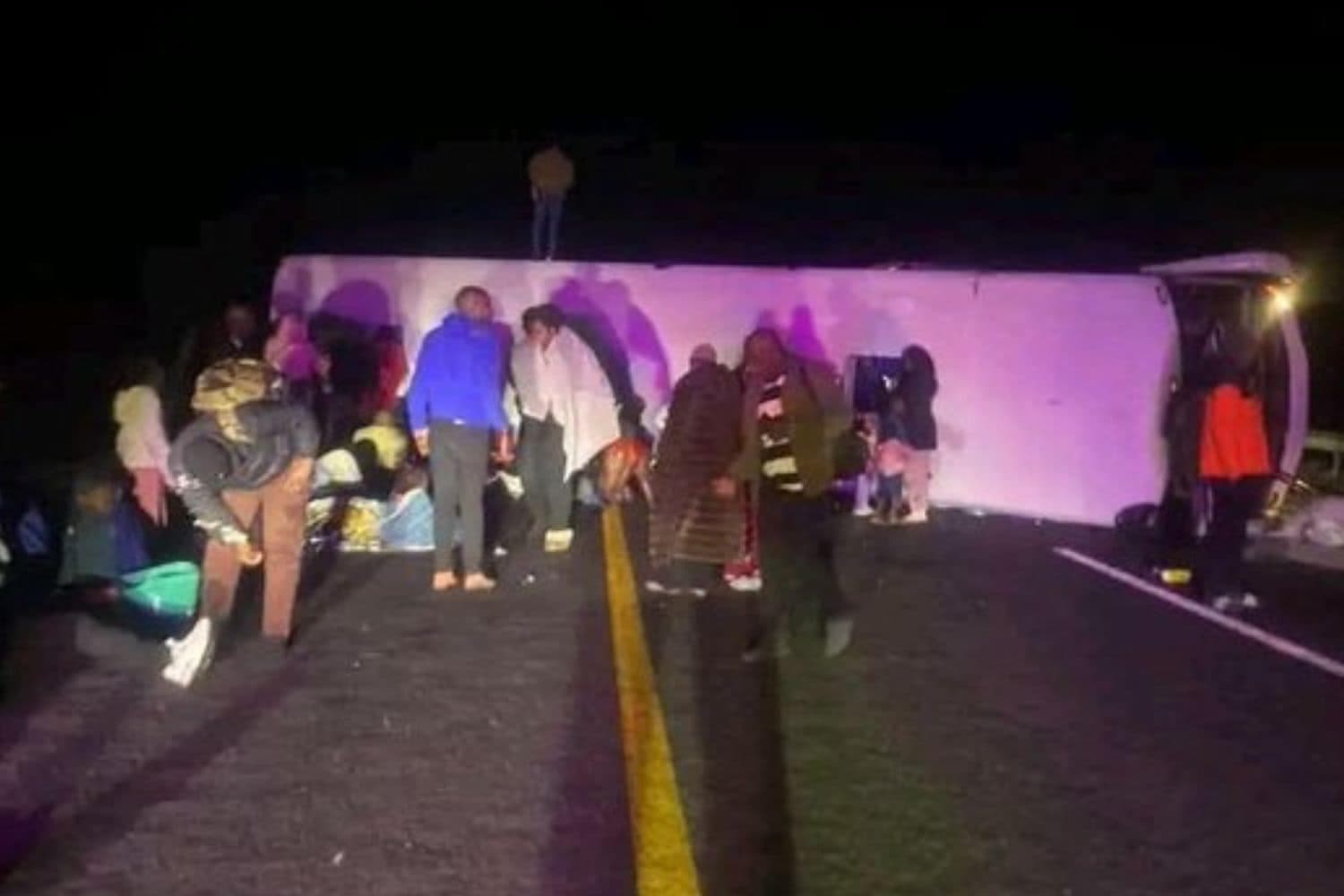
N1 bus horror crash in Free State leaves scores dead and dozens injured
A major bus crash on the N1 highway in the Free State has resulted in multiple fatalities and numerous injuries. Emergency services are at the scene, and investigations into the cause of the tragedy are underway.
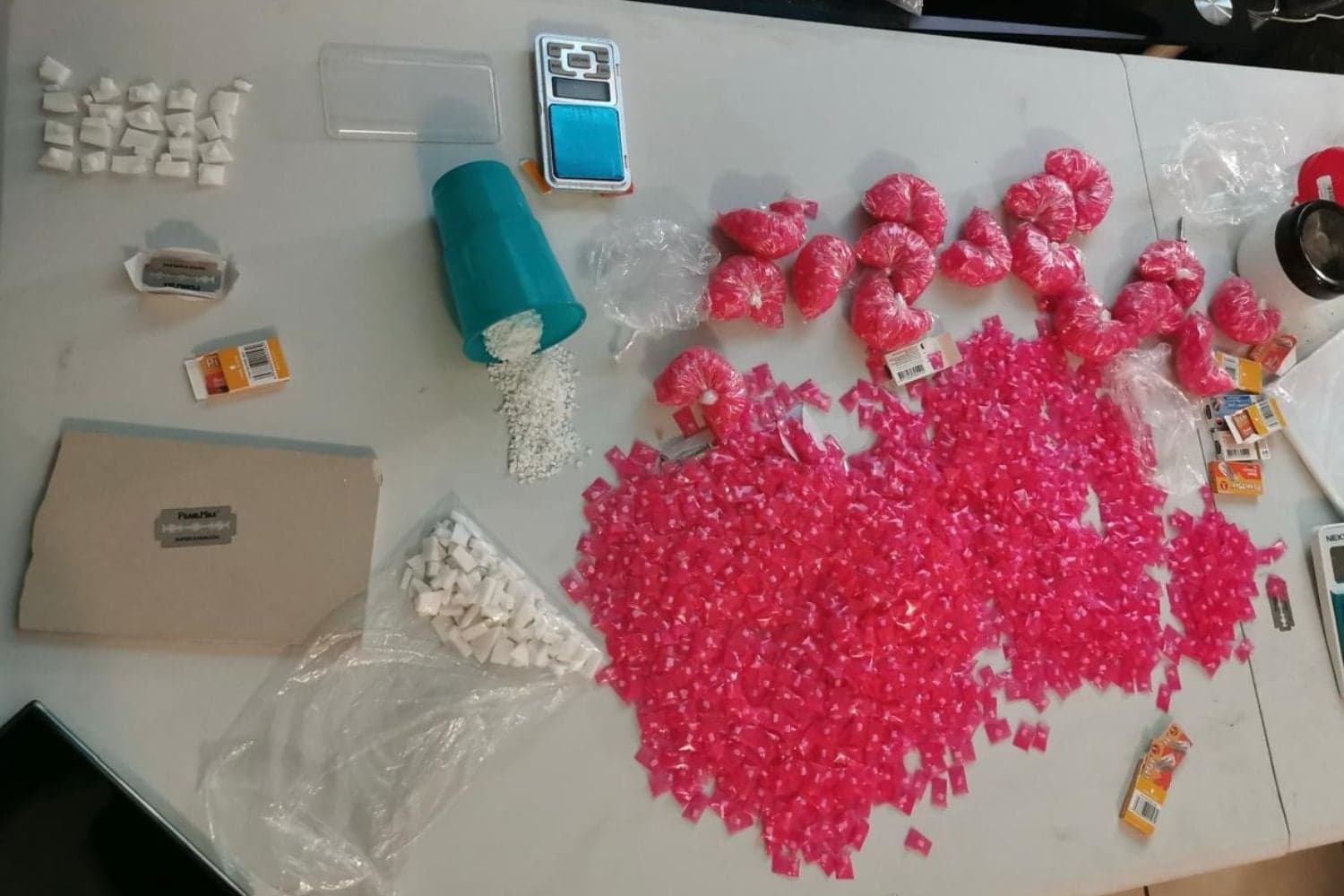
KZN Drug Bust: Trio Arrested and R1 Million Rock Cocaine Seized in Major Police Crackdown
Three suspects have been arrested in KwaZulu-Natal following a major police operation that yielded R1 million worth of rock cocaine. The bust highlights ongoing efforts by law enforcement to disrupt illicit drug supply chains in the province.
KZN law enforcement impounds 11 trucks and arrests speeding driver in major road transport crackdown
Authorities in KwaZulu-Natal have clamped down on heavy vehicle non-compliance, impounding 11 trucks and arresting a driver for speeding. The targeted enforcement operation highlights ongoing efforts to improve safety on the province's busy freight corridors.

Cape Town Parents Accused of ‘Selling’ 11-Year-Old Daughter
Shocking allegations have emerged from Cape Town where parents are accused of 'selling' their 11-year-old daughter. While specific details remain limited to protect the minor, the case has sparked widespread concern regarding child protection and trafficking laws in South Africa.