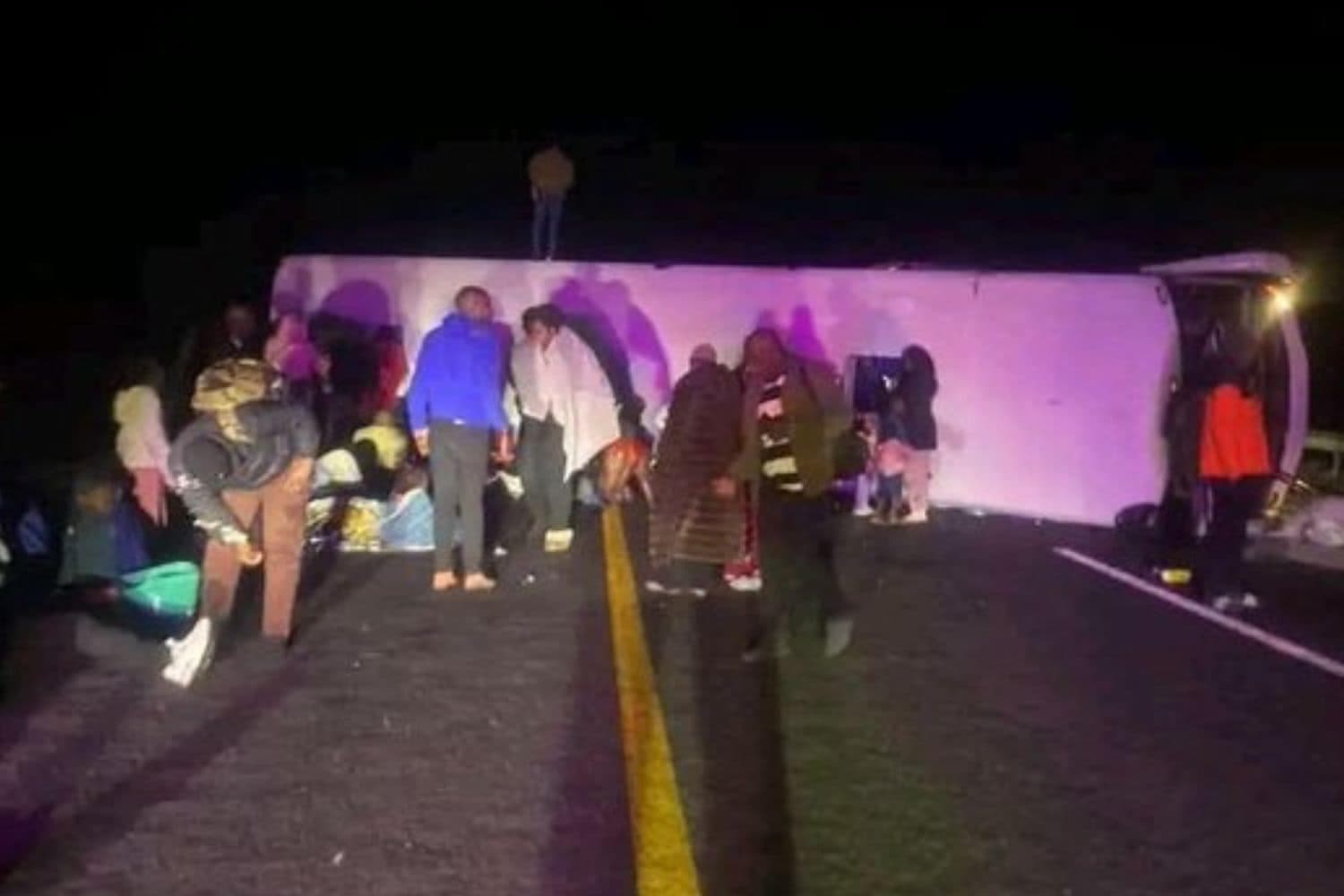
A devastating bus crash on the N1 highway in the Free State has left scores of people dead and dozens more injured, marking one of the most severe road tragedies in the province in recent times. The incident, which occurred on the major national arterial route, has prompted an immediate response from emergency services and traffic authorities as they work to manage the scene and assist survivors. Reports of the crash emerged early on Friday, 31 July 2026, sending shockwaves across the country.
At this stage, official details regarding the exact number of fatalities and the severity of the injuries remain limited. While initial reports confirm that there are multiple casualties, authorities have not yet released the verified death toll or the identities of those who lost their lives. It also remains unclear which bus company was involved in the accident, how many passengers were on board, and what destination the vehicle was travelling to when the disaster occurred.
The N1 highway is the backbone of South Africa's road transport network, stretching from Cape Town through the Karoo, the Free State, and Gauteng, all the way to the Zimbabwe border. The Free State section of this route is notorious for its long, straight stretches of road, which can frequently lead to driver fatigue. It is a vital corridor for long-distance passenger buses, freight logistics, and private travellers, making any major incident on this stretch a matter of national concern.
Road safety experts frequently highlight the high risks associated with long-distance bus travel in South Africa. While public transport is a crucial service for millions of citizens, major crashes often bring renewed scrutiny to vehicle roadworthiness, driver working hours, and adherence to speed limits. Although the specific cause of this Free State crash has not yet been determined, investigators typically examine factors such as mechanical failure, weather conditions, road infrastructure, and driver fatigue in the aftermath of such events.
For motorists and logistics operators, the immediate practical implication of the crash is severe traffic disruption. Major accidents on the N1 inevitably result in road closures or significant lane restrictions to allow emergency personnel, forensic investigators, and towing services to perform their duties safely. Travellers heading through the Free State are advised to monitor traffic updates closely, exercise extreme caution, and consider alternative routes where possible to avoid lengthy delays.
The rescue operation is expected to involve a coordinated effort from various provincial and national agencies. Typically, in incidents of this magnitude, the Free State Emergency Medical Services (EMS), local fire departments, the South African Police Service (SAPS), and provincial traffic officers are dispatched to manage casualty triage, secure the scene, and initiate the preliminary investigation. The injured are usually distributed to nearby public and private hospitals across the region.
Moving forward, the public and transport stakeholders will be watching for official statements from the Road Traffic Management Corporation (RTMC) and the Free State Department of Community Safety, Roads and Transport. These bodies are responsible for conducting thorough investigations into major public transport accidents to determine the root causes and recommend safety interventions to prevent future occurrences.
This tragic event serves as a stark reminder of the ongoing challenges South Africa faces regarding road safety. As families await news of their loved ones and the injured begin their recovery, the incident is likely to reignite debates over the enforcement of transport regulations and the urgent need for safer public transit systems across the country's vast highway network.