South Africa Weather: Morning Fog to Clear as Cool to Warm Conditions Continue
South Africans can expect morning fog to clear, making way for a continuation of cool to warm daytime conditions. While the stable late-August weather brings daytime comfort, motorists are urged to exercise caution during misty mornings.

South Africans waking up to misty starts can look forward to clearer skies as the day progresses. According to the latest regional weather reports captured on 24 August 2026, morning fog is expected to clear across affected areas, making way for a continuation of the pleasant, cool-to-warm conditions that have characterised the country's recent weather patterns. This forecast brings a mix of early-morning caution and daytime comfort for residents across the country.
This atmospheric transition is highly typical for late August in South Africa. As the country prepares to transition from the dry winter months into the warmer spring season, the collision of cool night-time air and warming daytime temperatures frequently results in thick morning fog, particularly in low-lying areas, inland valleys, and coastal regions. Once the morning sun rises and begins to heat the earth's surface, this fog gradually dissipates, revealing clearer skies and letting the warmth of the day take over.
For daily commuters and motorists, the presence of early morning fog presents immediate practical challenges on the roads. Reduced visibility on major national routes and busy suburban roads requires drivers to exercise extreme caution during their early morning travels. Transport safety guidelines emphasize the importance of switching on fog lights, avoiding the use of high beams which can bounce off the mist and further impair vision, and maintaining a significantly increased following distance to prevent accidents.
Once the morning mist clears, the continuation of cool-to-warm daytime conditions offers a highly favourable outlook for most of the population. This mild weather pattern is generally welcomed by South Africans, offering a comfortable balance between the biting cold of mid-winter and the intense heat of the upcoming summer months. It allows for a wider range of outdoor activities and provides a stable environment for outdoor work, which can often be disrupted by more extreme weather anomalies.
While the general trend points towards clearing fog and mild temperatures, specific regional details remain undisclosed in the current reports. The available data does not specify which provinces or cities will experience the thickest fog, nor does it provide exact temperature ranges for major metropolitan hubs like Johannesburg, Cape Town, or Durban. Because South Africa's geography is incredibly diverse—ranging from coastal plains to high-altitude plateaus—the actual conditions experienced by residents may vary significantly from one region to another.
Consequently, citizens are encouraged to consult localized municipal forecasts to determine how these broader weather trends will manifest in their immediate vicinities. What remains clear is that the overarching pattern of morning fog followed by cool-to-warm conditions remains dominant for the time being.
Looking ahead, the continuation of these conditions suggests that the seasonal transition is progressing steadily. Weather analysts and meteorologists will be monitoring whether this stable pattern persists or if late-season cold fronts could temporarily disrupt the gradual warming trend. For now, South Africans can plan their daily schedules around misty mornings followed by generally pleasant afternoon weather, keeping a close eye on local updates for any sudden changes.
Reporting record
How this story was produced
This article was AI-generated from the frozen trend evidence and passed deterministic quality and safety gates. No cross-provider evidence review or independent human verification is claimed for this record.
- Byline
- Newstrends AI Newsroom
- First published
- Last material update
- No later material update recorded
- Distinct source identifiers
- 1 retained source identifier
Frozen source links for this publication
Chronology
Story timeline
A generated chronology for orientation; dates and details may require source verification.
Update
Weather reports indicate morning fog will clear to make way for continued cool to warm conditions across South Africa.
Reader file
Frequently asked questions
01What weather conditions can South Africans expect?
Residents can expect morning fog to clear, followed by a continuation of cool to warm daytime conditions typical of the late August seasonal transition.
02Are there any specific regional temperature details available?
The current reports do not specify exact regional temperatures or which specific provinces will experience the thickest fog. Residents are advised to check local municipal forecasts.
03How should motorists drive in the morning fog?
Motorists should exercise caution by using fog lights, avoiding high beams, and maintaining a safe following distance due to reduced visibility.
Keep reading
Related coverage
More published reporting connected to this story.
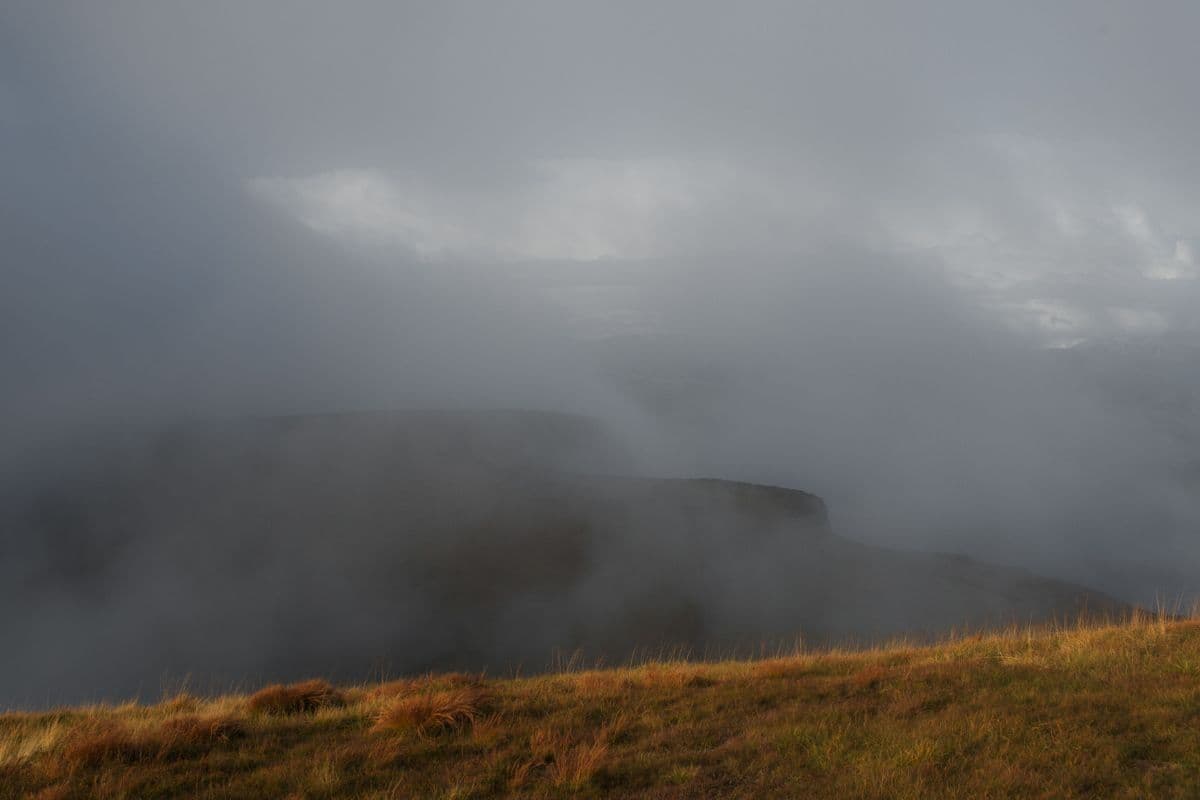
WEATHER: Fog and Cooler Temperatures Set to Sweep Across South Africa This Week
South Africa is bracing for a shift in weather patterns as fog and cooler temperatures set in across the country this week. While specific regional details remain limited, residents are advised to prepare for reduced visibility and colder conditions.
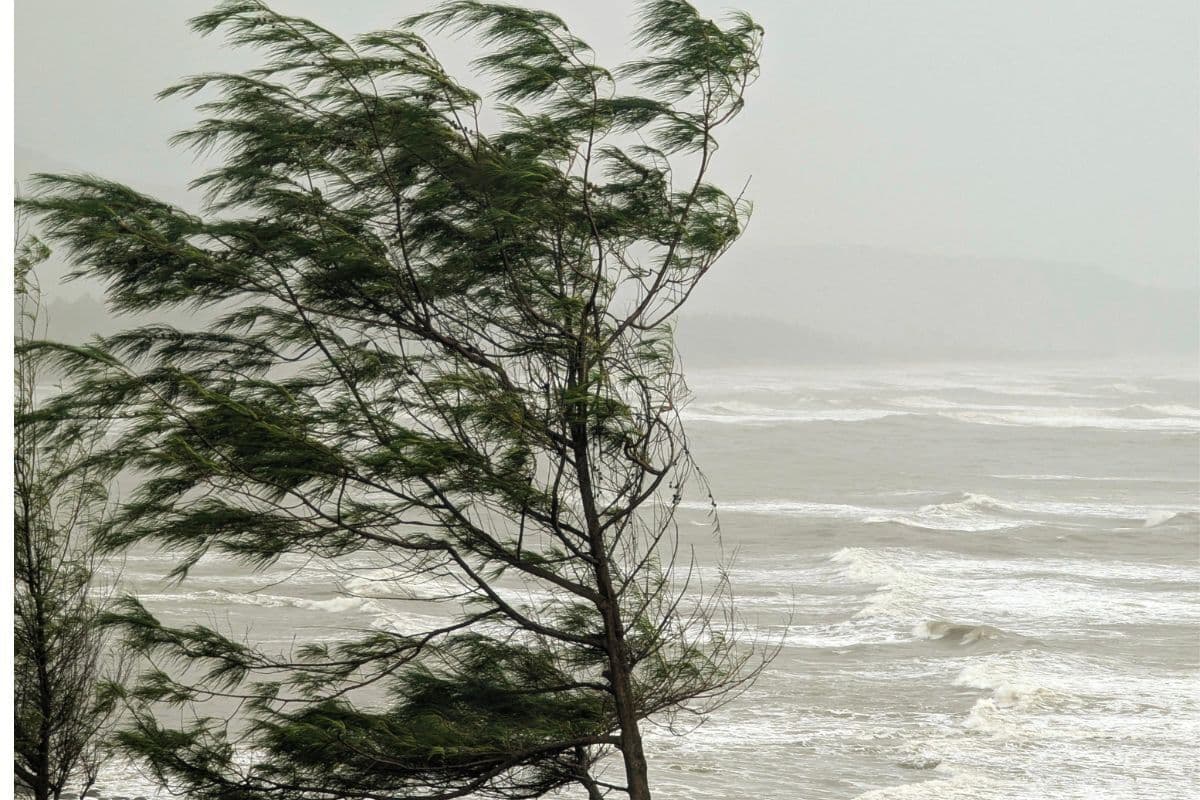
Weather Alert: Morning Fog and Fresh Coastal Winds to Affect Parts of South Africa
Parts of South Africa are expected to experience morning fog and fresh coastal winds, impacting driving visibility and marine conditions. Residents and commuters are advised to exercise caution as localized details unfold.
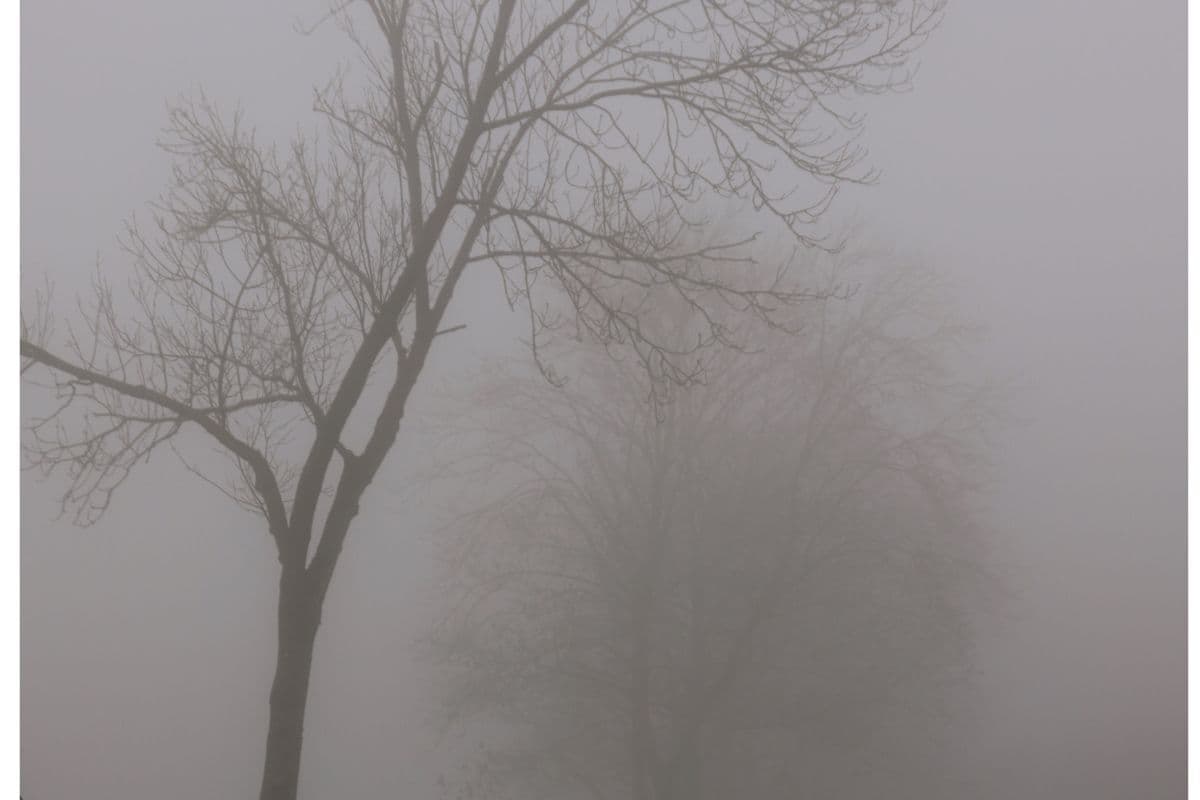
South Africa Weather: Fine Conditions Expected as Fog and Clouds Hit Parts of the Country
South Africans are experiencing a mix of fine weather conditions alongside localized fog and cloud cover. While some regions enjoy clear skies, others face reduced visibility as the country navigates late-winter transitional weather.

Frost and fog patches set to blanket parts of South Africa
Weather alerts indicate that morning frost and thick fog patches are set to blanket several parts of South Africa. Residents and motorists are advised to exercise caution as late-winter conditions impact visibility and temperatures.
Thursday’s Weather: Fine and Cool Conditions with Showers Forecast for Parts of South Africa
South Africans can expect a combination of fine, cool weather and localized showers on Thursday, 6 August 2026. While the exact regional breakdown remains unspecified, the transitional August weather highlights the need for cautious driving and layered clothing.