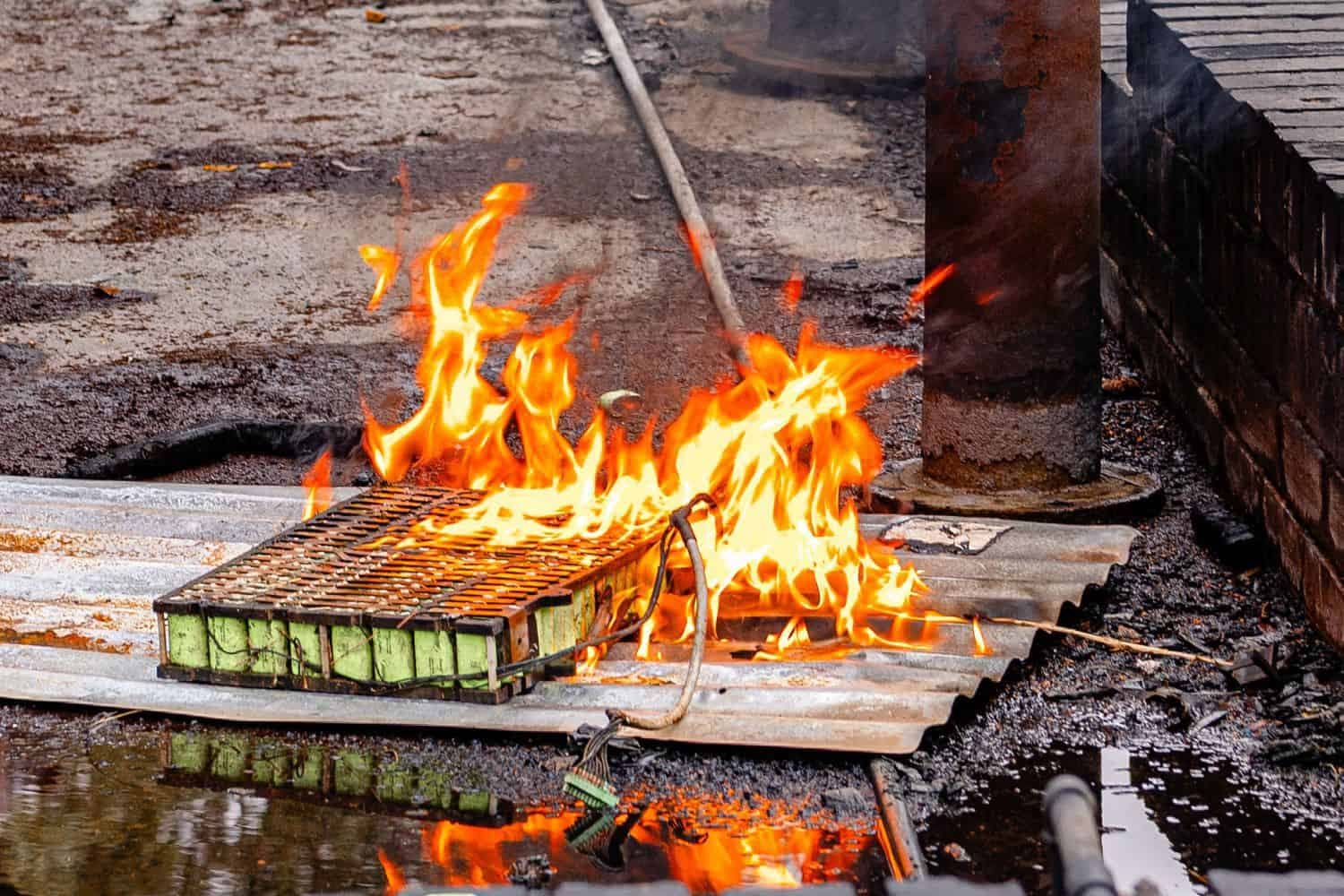
A startling new statistic has emerged for South African property owners, revealing that one in every four building fires is now linked to solar energy installations. According to a report published by local media outlet The Citizen on 8 September 2026, the rapid transition to renewable energy has brought an unexpected and dangerous side effect to the forefront. As households and businesses across South Africa continue to install solar panels to secure their electricity supply, the safety risks associated with these systems have become a matter of urgent public interest.
The revelation that 25% of building fires are connected to solar systems represents a significant shift in the country's domestic safety profile. While solar energy has been widely championed as a clean, reliable alternative to the traditional power grid, this new data underscores the critical safety challenges that accompany rapid technological adoption. The high frequency of solar-related fires suggests that the rush to escape energy insecurity may have led to compromises in installation quality, equipment standards, or regulatory oversight.
While the headline statistic paints a worrying picture, many details surrounding these incidents remain unclear. The available data does not specify the exact technical failures driving these fires—whether they stem from faulty lithium-ion batteries, poorly manufactured inverters, incorrect cabling, or sub-standard solar panels. Furthermore, it is not yet clear which provinces or municipalities in South Africa are experiencing the highest concentration of these incidents, or whether commercial properties are more at risk than residential homes. Identifying these specific variables is crucial for developing targeted safety interventions.
Despite the lack of granular data on individual fire causes, the primary focus for property owners must shift toward risk reduction. Industry experts routinely emphasize that the safety of a solar system depends heavily on the quality of its components and the competence of the installer. In South Africa, ensuring that installations are carried out by qualified, registered professionals who can issue a valid Certificate of Compliance (CoC) is a fundamental step in minimizing fire hazards. Substandard installations, often performed by unaccredited operators, are widely suspected to be a primary driver of electrical faults.
The rising link between solar installations and building fires also carries heavy implications for the South African insurance sector. Property owners who fail to notify their insurers of newly installed solar systems, or who utilize uncertified installers, may find their claims rejected in the event of a fire. As these statistics become more prominent, insurers are likely to tighten their compliance requirements, making professional audits and strict adherence to national safety standards non-negotiable for policyholders.
As South Africans navigate this dual challenge of securing power and ensuring safety, the public will need to closely monitor updates from industry bodies, fire departments, and regulatory authorities. Future reports are expected to shed more light on the specific technical failures causing these fires and offer updated guidelines for safe solar usage. For now, the message remains clear: while solar energy is a vital tool for modern South African living, safety cannot be sacrificed for convenience.