Weather Alert: South Africans Urged to Brace for Strong Afternoon Winds
A weather alert issued on 27 August 2026 has warned South Africans of strong afternoon winds. While the initial report did not specify the exact province affected, residents nationwide are urged to exercise caution.

On the afternoon of 27 August 2026, South African media outlet The South African issued a weather alert warning residents to brace for strong afternoon winds. The alert, while urgent, left some initial ambiguity regarding the exact province affected, utilizing the headline "WEATHER: Brace for strong afternoon winds in this province."
The notification was captured via RSS feeds at approximately 18:55 UTC on 27 August 2026. As an automated news signal, this alert quickly gained traction under the viral news category in South Africa. However, because the initial feed metadata does not specify the exact province by name, local residents across various regions are advised to monitor their regional weather services closely to determine if their specific area is the primary target of these high-velocity winds.
In South African meteorological reporting, general alerts of this nature often precede detailed regional breakdowns from the South African Weather Service (SAWS). The phrasing "in this province" suggests a localized threat that could impact any of the country’s nine provinces, each of which faces distinct wind hazards during this time of the year. Without further explicit geographical markers in the initial feed, identifying the exact province remains a point of verification for local commuters and residents.
While the specific province remains to be clarified by subsequent updates, strong afternoon winds in South Africa are historically associated with specific meteorological phenomena. For instance, the Western Cape frequently experiences strong southeasterly winds, known locally as the "Cape Doctor," while the interior provinces like Gauteng, the Free State, and the North West often face gusty conditions and dust storms ahead of late-winter or early-spring frontal systems. The Eastern Cape and KwaZulu-Natal coastlines are also notoriously prone to strong coastal winds.
Irrespective of which province is currently under the warning, strong afternoon winds present several practical hazards that South Africans must navigate. For motorists, high-sided vehicles, caravans, and motorcycles face increased risks of instability on open highways. Wind gusts can also blow debris onto roads, reducing visibility and creating sudden obstacles. Pedestrians are similarly urged to exercise caution near loose structures, scaffolding, and large trees.
Another critical implication of strong afternoon winds, particularly during the dry late-August period in South Africa, is the elevated risk of runaway veld fires. In provinces experiencing their dry season, strong winds can rapidly spread fires, making them extremely difficult to contain. Residents in vulnerable areas are typically advised to avoid starting open fires and to ensure that any potential ignition sources are properly secured.
Property owners should also take proactive measures when wind warnings are issued. This includes securing loose outdoor items such as patio furniture, trampolines, and dustbins, which can become dangerous projectiles in high winds. Checking the integrity of roofs, gutters, and boundary walls can also prevent costly damage. Power outages are another common side effect, as strong winds can down power lines or blow tree branches into electrical infrastructure.
As the situation develops, residents are advised to seek direct confirmation from the South African Weather Service (SAWS) or updated regional reports from The South African. Because this alert was registered late in the day on 27 August 2026, further details regarding the duration of the wind event, expected wind speeds, and specific municipal areas affected are expected to emerge. Staying informed through official channels remains the safest course of action.
Reporting record
How this story was produced
This article was AI-generated from the frozen trend evidence and passed deterministic quality and safety gates. No cross-provider evidence review or independent human verification is claimed for this record.
- Byline
- Newstrends AI Newsroom
- First published
- Last material update
- No later material update recorded
- Distinct source identifiers
- 1 retained source identifier
Frozen source links for this publication
Chronology
Story timeline
A generated chronology for orientation; dates and details may require source verification.
Update
A weather alert warning of strong afternoon winds is published by The South African.
Reader file
Frequently asked questions
01Which province is affected by the strong afternoon winds?
The initial weather alert captured on 27 August 2026 did not specify the exact province. Residents should check local South African Weather Service updates for regional details.
02What are the main risks associated with these strong winds?
Key hazards include dangerous driving conditions, flying debris, potential power outages from downed lines, and an increased risk of runaway veld fires.
Keep reading
Related coverage
More published reporting connected to this story.

WEATHER: South Africans Warned to Prepare for Strong Winds This Weekend
Reports from 21 August 2026 warn of strong winds expected across South Africa this weekend. While specific regional impacts remain unconfirmed, residents are urged to take precautions and monitor local weather updates.
Friday Weather Alert: South Africa Faces Strong Winds, High Fire Danger, and Scattered Showers
South Africans are urged to remain vigilant on Friday, 28 August 2026, as national weather alerts warn of strong winds, high fire danger, and scattered showers. While specific regional impacts remain unconfirmed, emergency services are preparing for potential disruptions.
South Africa Braces for Severe Weather Alert Warning of Damaging Winds, Waves, and Extreme Fire Danger
A national weather alert has been issued for South Africa on 5 August 2026, warning of damaging winds, high waves, and extreme fire danger. While specific regional impacts remain unconfirmed, residents are urged to prepare for potential disruptions.

WEATHER: Cold Front Threatens Snow and Freezing Conditions in Two South African Provinces
A powerful late-winter cold front is approaching South Africa, bringing warnings of snow and freezing temperatures. While the exact two provinces affected remain unconfirmed in initial reports, residents nationwide are urged to prepare for a severe temperature drop.
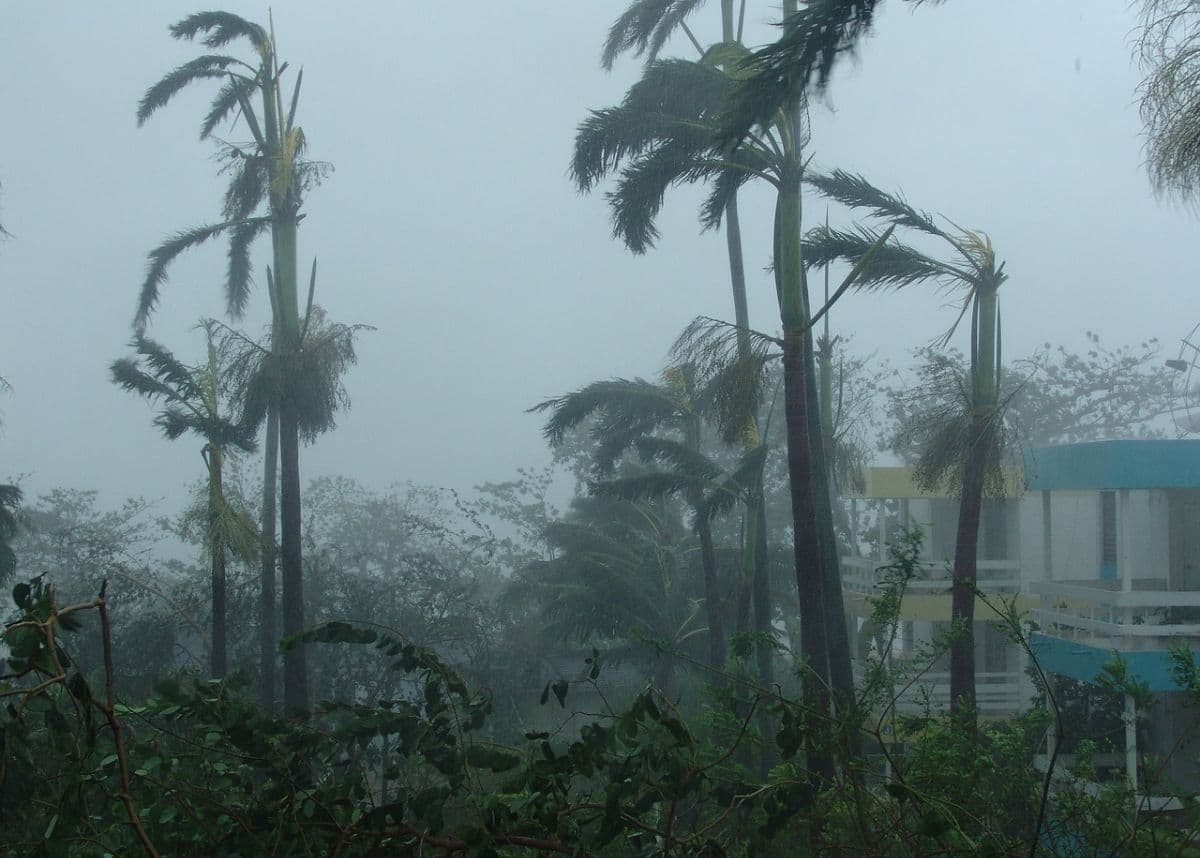
Weather Alert: Strong Winds and Light Rain Expected to Sweep Across the Cape Provinces
A weather alert has flagged incoming strong winds and light rain for specific parts of South Africa, particularly the Cape Provinces. Residents are advised to prepare for potential localized disruptions as official meteorological updates develop.