Gauteng Schools Face 2027 Admission Crunch as Demand Outstrips 405,000 Available Spaces
Gauteng is facing a severe school placement crisis for the 2027 academic year, with student demand officially exceeding the province's 405,000 available spaces. The looming capacity deficit highlights the persistent infrastructure challenges in South Africa's economic hub.
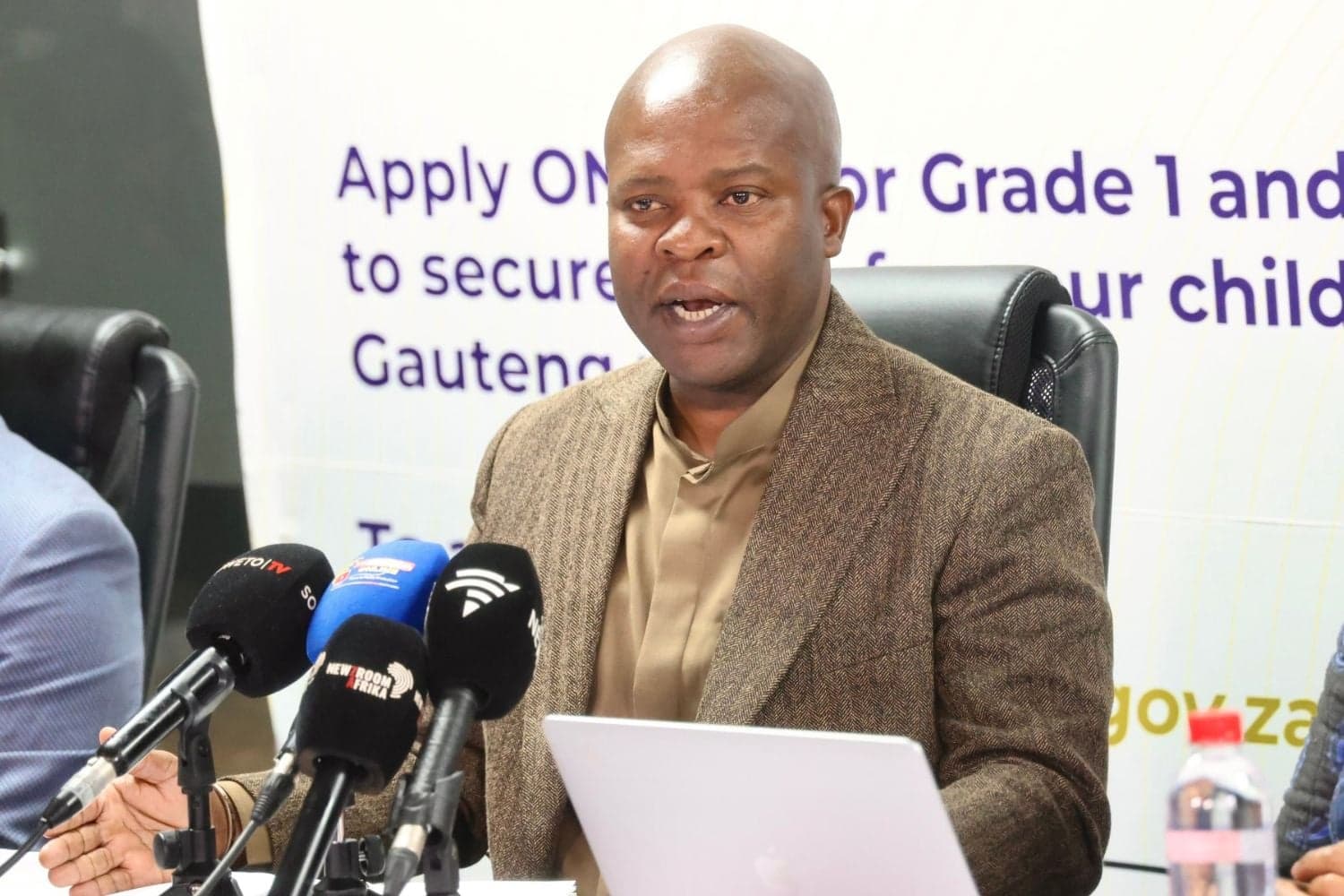
Gauteng is bracing for a severe education infrastructure bottleneck as early indicators for the 2027 academic year reveal that the demand for school placements has officially outstripped the province's capacity. Despite the provincial education system preparing to offer a substantial 405,000 student spaces, the sheer volume of applications has already surpassed what local schools can physically accommodate. This looming classroom crunch highlights the ongoing systemic pressure on South Africa's economic heartland, where rapid urbanisation continues to outpace public infrastructure development.
The disclosure of these figures in September 2026 serves as an early warning for provincial administrators, educators, and parents alike. While 405,000 spaces represents a massive administrative undertaking, it is simply not enough to cater to the influx of pupils seeking admission into Gauteng's public schools. The situation highlights a critical imbalance between the supply of educational infrastructure and the relentless demographic growth of the province, which attracts thousands of families each year from other parts of South Africa and neighbouring countries.
While full details of the provincial response are still emerging, initial reports have linked these developments to provincial leadership, including Gauteng government representative Lebogang Maile. However, the precise policy interventions, budget reallocations, and emergency infrastructure plans from the Gauteng Provincial Government remain to be fully detailed. As the provincial authorities grapple with these numbers, the focus will inevitably shift toward how the state plans to bridge the gap between the available spaces and the thousands of pupils left without guaranteed placements.
To understand the gravity of this upcoming 2027 crunch, it is essential to consider the historical context of Gauteng's school admissions. Year after year, the Gauteng Department of Education faces immense pressure during its online registration periods. While technological solutions like the online admissions portal have streamlined the application process, they cannot solve the physical reality of overcrowded classrooms. The bottleneck is fundamentally a structural issue, rooted in a shortage of physical school buildings, land for development, and adequate teaching staff to maintain manageable teacher-to-pupil ratios.
At this stage, several critical details remain unclear, and provincial authorities have yet to release a comprehensive breakdown of the crisis. It is not yet known exactly how many applications have been received in excess of the 405,000 available spaces, nor has it been clarified which specific districts or suburbs are experiencing the most severe shortages. Historically, high-density areas and rapidly expanding residential developments bear the brunt of these capacity issues, but official statistics identifying the hardest-hit schools for the 2027 cycle are still awaited.
For South African parents, the implications of this capacity deficit are deeply worrying. Families applying for Grade 1 and Grade 8 placements for 2027 are likely to face prolonged periods of uncertainty, with many children expected to be placed on lengthy waiting lists. This often results in pupils being allocated to schools far from their residential areas, leading to increased transport costs and logistical challenges for working-class households. The psychological stress on families waiting for late placements has become an unfortunate hallmark of the Gauteng school calendar.
Addressing a deficit of this scale will require substantial financial resources and rapid infrastructure deployment. In a tight fiscal climate, the Gauteng Provincial Government faces the difficult task of funding emergency classroom expansions, procuring mobile units, and accelerating the construction of new school facilities. Whether the provincial treasury can allocate the necessary funds to resolve this crunch before the start of the 2027 school year remains one of the most critical questions facing policymakers.
As the country watches how this crisis unfolds, stakeholders will be closely monitoring the next official updates from the education department and provincial treasury. The public will be looking for concrete contingency plans, including the potential deployment of temporary learning spaces and partnerships with private education providers. With the 2027 academic year fast approaching, the pressure is on Gauteng's leaders to ensure that no child is left without a desk.
Reporting record
How this story was produced
This article was AI-generated from the frozen trend evidence and passed deterministic quality and safety gates. No cross-provider evidence review or independent human verification is claimed for this record.
- Byline
- Newstrends AI Newsroom
- First published
- Last material update
- No later material update recorded
- Distinct source identifiers
- 1 retained source identifier
Frozen source links for this publication
Chronology
Story timeline
A generated chronology for orientation; dates and details may require source verification.
Update
Reports emerge highlighting that Gauteng's school capacity of 405,000 spaces will be outstripped by demand for the 2027 academic year.
Reader file
Frequently asked questions
01How many school spaces are available in Gauteng for the 2027 academic year?
There are currently 405,000 school spaces available in Gauteng for 2027, but overall demand has already outstripped this capacity.
02Who is associated with the provincial response to this capacity crisis?
Provincial leadership, including Gauteng government representative Lebogang Maile, is linked to the ongoing response, though detailed plans are still emerging.
03What are the main causes of the Gauteng school placement crunch?
The crunch is driven by rapid urbanisation, population growth, and a structural shortage of physical school infrastructure relative to the high volume of annual applications.
Keep reading
Related coverage
More published reporting connected to this story.

End of 103-Year Energy Monopoly Marks Historic Turning Point for South Africa
Reports from August 2026 reveal the end of a century-old energy monopoly in South Africa, paving the way for an open electricity market. This landmark reform is set to introduce private competition, drive renewable energy investment, and reshape the national grid.
WCED Faces Scrutiny Over Alleged Discriminatory Admission Practices
The Western Cape Education Department is under intense pressure following reports of discriminatory admission practices. While specific details of the allegations remain unconfirmed, the news has reignited debates over school placement policies in the province.
Good News for Cape Town Commuters as MyCiTi Buses and Stops in Atlantis Get Upgrades
The City of Cape Town has announced upcoming upgrades to MyCiTi buses and stops, focusing on the Atlantis area. This initiative aims to improve passenger safety, comfort, and service reliability for local commuters.

Orange Level 6 Warning Issued: Severe Storms Threaten Parts of South Africa
An Orange Level 6 weather warning has been issued as severe storms threaten several parts of South Africa. Residents are urged to remain vigilant as the high-level alert indicates a strong likelihood of significant disruptions and potential damage. While specific regional details remain limited, precautionary safety measures are highly recommended.
South Africa Braces for Severe Weather: Bitter Cold, Storms, Flooding and Hail Forecast
South Africans are warned to prepare for a severe weather system bringing bitter cold and powerful storms. The alert forecasts localized flooding and destructive hail, posing significant risks to infrastructure and safety.