Leaking Pipes and Broken Pumps: How Infrastructure Failures and Tankers Define South Africa's Water Crisis
South Africa's escalating water crisis is increasingly characterized by failing municipal infrastructure, including leaking pipes and broken pumps. As municipalities struggle to maintain water supply, the growing reliance on costly water tankers has become a controversial and permanent fixture for many communities.
South Africa’s escalating water crisis is increasingly defined by crumbling infrastructure, specifically leaking pipes, broken pumps, and a heavy reliance on water tankers to supply communities. This reality highlights the severe strain on municipal services, particularly in regions like KwaZulu-Natal where these challenges have become a daily struggle for residents.
The reported issues point to a systemic failure in water infrastructure maintenance across many parts of the country. Leaking pipes represent a massive loss of treated water before it even reaches household taps—a phenomenon known as non-revenue water. In many municipalities, physical water losses due to leaks have reached critical levels, draining both scarce water resources and municipal budgets that are already under severe financial pressure.
Alongside leaking distribution networks, broken pumps at water treatment works and reservoirs further cripple the system. When pumps fail, municipalities are unable to maintain the necessary pressure to push water to high-lying areas or even sustain basic supply to lower-lying neighbourhoods. The repair of these pumps is often delayed by procurement bottlenecks, lack of technical expertise, and municipal budget constraints, leaving entire communities dry for days or even weeks.
As a temporary measure, municipalities have increasingly turned to water tankers to distribute water to affected residents. However, what was meant to be an emergency intervention has, in many parts of South Africa, become a permanent and costly fixture. The reliance on water tankers has drawn widespread criticism, with observers noting that the high cost of hiring private tankers often diverts crucial funds away from fixing the actual infrastructure, such as the broken pumps and leaking pipes themselves.
While the water crisis is a national concern, reports originating from KwaZulu-Natal highlight the acute nature of the problem in the province. Communities across KwaZulu-Natal have frequently protested against erratic water supply, pointing to municipal neglect and slow response times to infrastructure failures. The provincial situation underscores the urgent need for coordinated intervention between local, provincial, and national government departments to address the backlog in maintenance.
While the broad strokes of the crisis—leaking pipes, broken pumps, and tankers—are well-documented, specific details regarding the exact municipal budgets allocated for immediate repairs in the affected areas remain unclear. It is also not fully detailed in current reports how much water is lost daily to leaks in these specific KwaZulu-Natal municipalities, or the precise timeline for transitioning away from expensive water tankers toward permanent infrastructure solutions.
For ordinary South Africans, the practical implications of this crisis are profound. Beyond the daily inconvenience of queuing for water tankers, the lack of reliable running water poses serious health and sanitation risks. Businesses, schools, and healthcare facilities are also forced to disrupt their operations, impacting local economies and the delivery of essential public services.
Moving forward, South Africans will be watching closely to see if the Department of Water and Sanitation, along with local municipalities, can implement effective turnaround strategies. Key indicators of progress will include increased capital expenditure on infrastructure refurbishment, faster turnaround times for repairing broken pumps, and a measurable reduction in water losses. Until these structural issues are resolved, the cycle of leaks, broken pumps, and emergency tankers will likely continue to define the country's water landscape.
Reporting record
How this story was produced
This article was AI-generated from the frozen trend evidence and passed deterministic quality and safety gates. No cross-provider evidence review or independent human verification is claimed for this record.
- Byline
- Newstrends AI Newsroom
- First published
- Last material update
- No later material update recorded
- Distinct source identifiers
- 1 retained source identifier
Frozen source links for this publication
Chronology
Story timeline
A generated chronology for orientation; dates and details may require source verification.
Update
Reports highlight how leaking pipes, broken pumps, and water tankers have come to define the ongoing water crisis in South Africa, with a focus on KwaZulu-Natal.
Reader file
Frequently asked questions
01What are the main causes of South Africa's water crisis?
The crisis is primarily driven by failing municipal infrastructure, specifically leaking pipes that waste treated water and broken pumps that disrupt the distribution network.
02Why are water tankers being used?
Water tankers are deployed as an emergency measure to distribute water to communities experiencing prolonged outages due to infrastructure failures.
03Which regions are most affected?
While water supply issues affect various parts of South Africa, recent reports highlight severe challenges and community disruptions within KwaZulu-Natal.
Keep reading
Related coverage
More published reporting connected to this story.
Water Bankruptcy in South Africa: What Citizens Need to Know About the Emerging Crisis
Reports emerging on 24 July 2026 have highlighted the growing threat of 'water bankruptcy' in South Africa. This critical concept refers to a state where water demand and financial mismanagement collapse municipal supply chains, urging immediate public awareness.
Durban Braces for Major 48-Hour Water Cut as Crucial Pipeline Repairs Loom Next Week
Parts of Durban are facing a planned 48-hour water supply disruption next week due to major pipeline repairs. Residents are urged to prepare for the two-day outage while awaiting further details on the specific affected areas.
Emergency Bridge Repairs to Force Overnight Closure on N3 Between Paradise Valley and Pinetown
A critical section of the N3 highway between Paradise Valley and Pinetown is scheduled for an overnight closure to facilitate urgent bridge repairs. Motorists and freight operators are advised to prepare for disruptions and monitor official channels for detour routes.
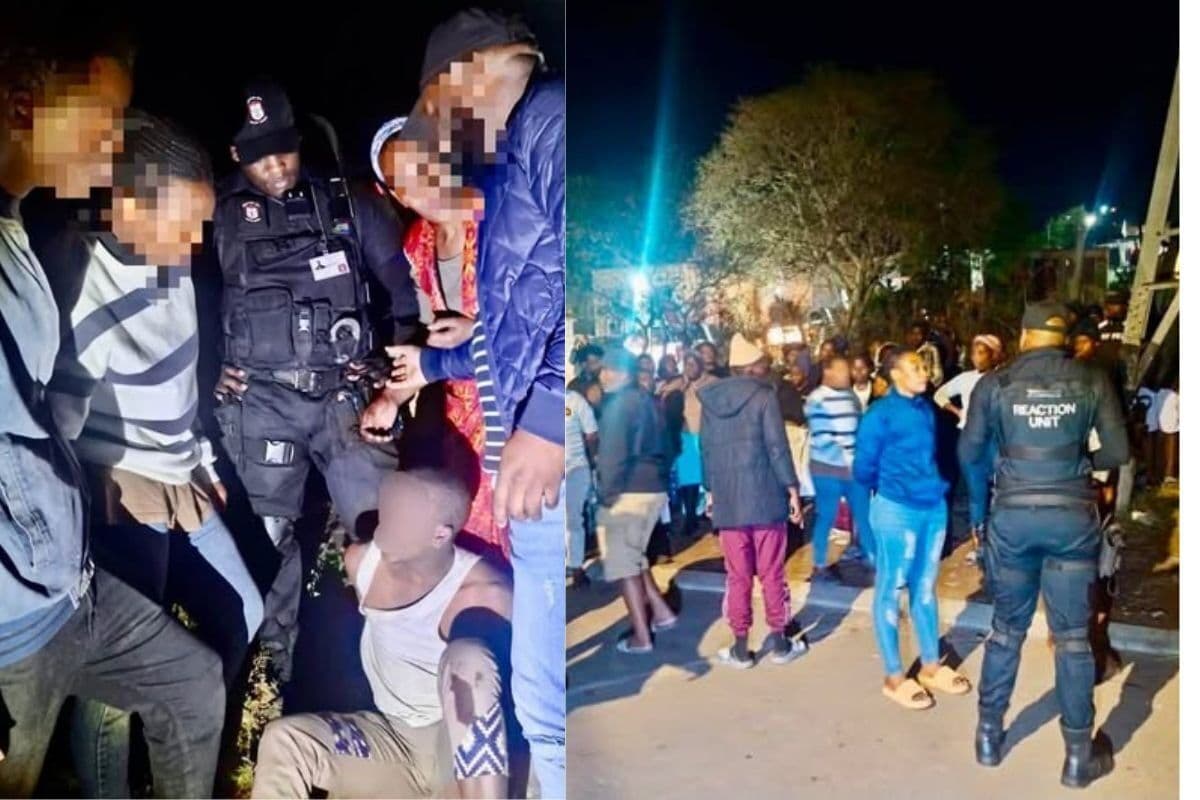
KZN Traditional Healer Arrested for Alleged Sexual Assault of Two Girls
A traditional healer has been arrested in KwaZulu-Natal following allegations of sexually assaulting two young girls. The arrest has renewed calls for stricter oversight of traditional practitioners and stronger child protection measures.
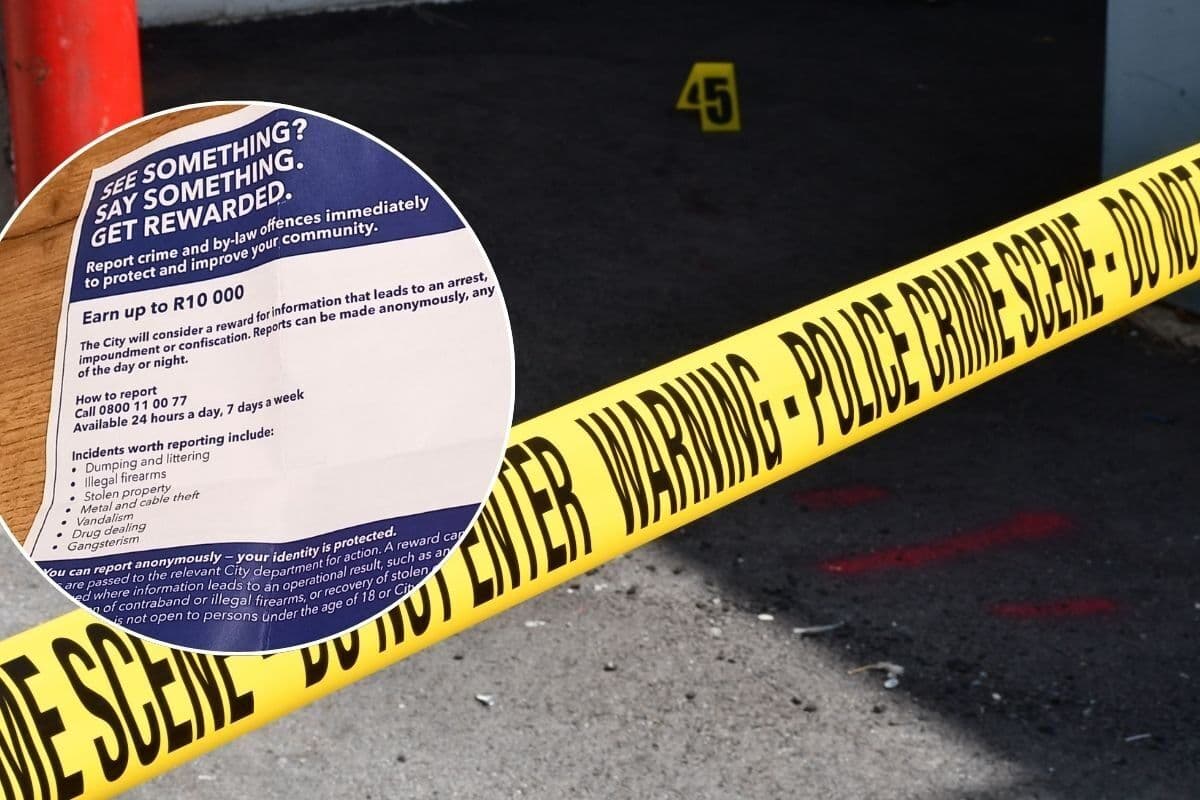
City of Cape Town Offers R10,000 Reward for Reporting Crime
The City of Cape Town has announced a financial incentive of R10,000 for residents who report criminal activity. While the headline reward is clear, many practical details regarding eligibility and safety remain to be finalized.