City of Cape Town Offers R10,000 Reward for Reporting Crime
The City of Cape Town has announced a financial incentive of R10,000 for residents who report criminal activity. While the headline reward is clear, many practical details regarding eligibility and safety remain to be finalized.
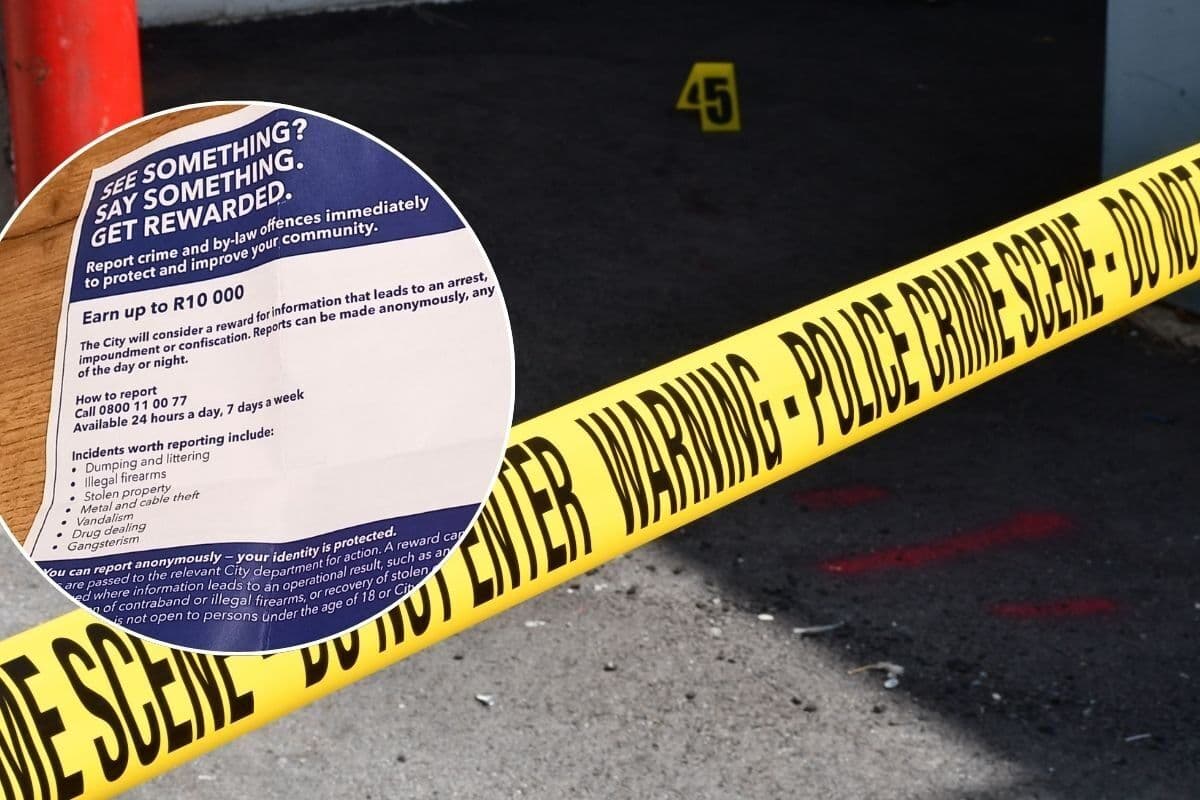
In a significant move aimed at curbing criminal activity, reports emerged on 14 August 2026 indicating that the City of Cape Town wants to offer a financial incentive of R10,000 to residents who report crime. This initiative represents a direct appeal to the public to assist local law enforcement agencies by providing actionable intelligence. By leveraging community-driven information, the city hopes to strengthen its policing efforts and create safer neighbourhoods across the metro.
The proposed reward of R10,000 is a substantial sum that could encourage more citizens to speak out against unlawful activities in their areas. However, because the initial reports focus primarily on the headline figure, many of the finer operational details of this reward scheme remain to be officially clarified. Residents and civic organisations are currently waiting for comprehensive guidelines from the municipality to understand how this programme will be administered.
One of the primary questions surrounding the initiative is which specific types of crime will qualify for the financial payout. It remains unclear whether the R10,000 reward applies to all reported offences or if it is strictly reserved for high-priority crimes. In South African municipal policing, major focus areas often include gang violence, illegal firearms, drug trafficking, and the vandalism of critical public infrastructure. Clarification on this aspect is crucial for managing public expectations.
Another vital aspect that requires detailed explanation is the exact mechanism for reporting these crimes. Whistleblower safety is a paramount concern in South Africa, where individuals who expose criminal syndicates or local lawlessness often face severe risks of retaliation. For the R10,000 reward system to succeed, the City of Cape Town will need to demonstrate robust anonymity protocols and secure communication channels to protect those who come forward with information.
Furthermore, the criteria for a successful payout have not yet been fully detailed. Members of the public will need to know whether the R10,000 is paid out immediately upon the receipt of a credible tip, or if the reward is contingent on a successful arrest, a formal charge, or a conviction in a court of law. Establishing clear terms of reference will be essential to prevent potential abuse of the system and to ensure that the process remains transparent and fair.
This reward initiative comes within the broader context of Cape Town's ongoing efforts to enhance its safety and security capabilities. The city has previously invested heavily in expanding its law enforcement personnel and deploying advanced technological solutions, such as surveillance networks. Introducing a direct financial incentive for community members represents a complementary strategy, aiming to bridge the gap between formal municipal policing and grassroots community intelligence.
As the rollout of this initiative progresses, local community policing forums (CPFs) and neighbourhood watches are expected to play a key role in monitoring its implementation. While the financial incentive is highly likely to increase the volume of tips received by authorities, it will also require the city to establish efficient filtering mechanisms to distinguish between genuine, actionable intelligence and false or malicious reports.
In conclusion, while the City of Cape Town's offer of R10,000 to report crime is a notable development in local safety strategies, many key details about its execution remain unconfirmed. Residents are advised to watch for official municipal communications that will outline the exact reporting channels, safety measures, and eligibility criteria. As these details emerge, the true impact of this incentive on the city's safety landscape will become much clearer.
Reporting record
How this story was produced
This article was AI-generated from the frozen trend evidence and passed deterministic quality and safety gates. No cross-provider evidence review or independent human verification is claimed for this record.
- Byline
- Newstrends AI Newsroom
- First published
- Last material update
- No later material update recorded
- Distinct source identifiers
- 1 retained source identifier
Frozen source links for this publication
Chronology
Story timeline
A generated chronology for orientation; dates and details may require source verification.
Update
Reports emerge detailing the City of Cape Town's initiative to offer R10,000 rewards to residents who report crime.
Reader file
Frequently asked questions
01How much is the City of Cape Town offering for reporting crime?
The City of Cape Town is offering a reward of R10,000 for reporting crime.
02What crimes qualify for the R10,000 reward?
The specific categories of crime that qualify for the reward have not been fully detailed in the initial reports. Further official guidelines are expected to clarify this.
03Is it safe to report crime under this initiative?
While the initiative aims to encourage reporting, the specific anonymity protocols and safety measures for informants have yet to be fully detailed by the city's authorities.
Keep reading
Related coverage
More published reporting connected to this story.
Strandfontein Residents Mobilise to Demand Demolition of Notorious Schaapkraal Drug Den
Residents of Strandfontein are pushing for the demolition of a notorious property in neighbouring Schaapkraal that is allegedly operating as a drug den. The community is calling for permanent structural action to address ongoing safety and crime concerns affecting both suburbs.
Manhunt Launched After Four Men Shot Dead in Nyanga
Police in the Western Cape have launched a manhunt following a shooting incident that left four men dead in Nyanga, Cape Town. Authorities are currently searching for the perpetrators as investigations into the attack begin.

Cape Town Driving Licence Testing Centres to Open This Saturday, 25 July 2026
Driving licence testing centres in Cape Town are scheduled to open on Saturday, 25 July 2026, providing weekend access for local motorists. While the date is confirmed, residents are advised to verify specific centre locations and hours.
Dramatic Night Rescues Executed on Table Mountain and Helderberg Nature Reserve
Emergency services in Cape Town have successfully executed dramatic night-time rescues at Table Mountain and the Helderberg Nature Reserve. The incidents highlight the severe hazards of navigating the Western Cape's rugged terrain after dark during the winter season. Detailed reports on the rescued individuals and their conditions remain unconfirmed.
City of Cape Town Confronts R8.1 Billion Shortfall in Unpaid Rates and Services
The City of Cape Town is facing a major financial challenge with R8.1 billion currently outstanding in unpaid municipal rates and services. This massive deficit poses a direct threat to the metro's financial sustainability and its ability to maintain crucial service delivery.