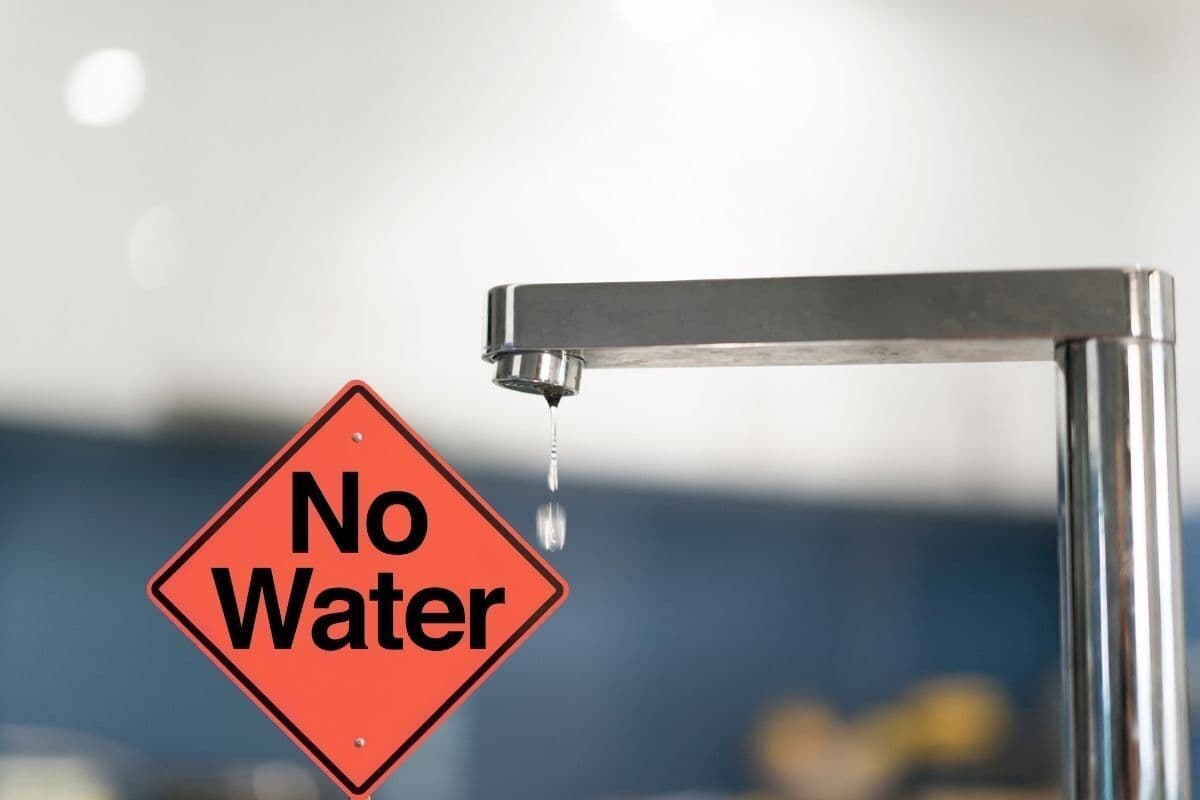
Residents in parts of Durban are facing a major disruption to their daily lives as municipal authorities prepare for an extensive water infrastructure project. According to reports from early August 2026, a critical pipeline repair operation is scheduled to take place, which will result in a planned 48-hour water cut. The planned maintenance is set for next week, prompting warnings for local households and businesses to prepare for two full days without running water.
The details surrounding the shutdown point to a significant engineering intervention on a major pipeline feeding the metro. While the exact technical specifications of the pipeline have not been fully detailed in initial reports, the scale of the 48-hour disruption indicates that this is a critical maintenance or repair operation rather than routine local servicing. For Durban residents, a continuous two-day outage represents a substantial period during which alternative water sources will be required for drinking, sanitation, and basic household functions.
At this stage, several key details remain unconfirmed or require further clarification from the municipal authorities. The specific suburbs, wards, and commercial zones that will bear the brunt of the 48-hour cuts have not been exhaustively listed in the initial alerts, leaving many residents anxious about whether their specific neighborhoods will be affected. Additionally, the exact commencement date and precise time for the water shutdown next week have not been widely publicized, meaning community members must stay vigilant for subsequent updates.
A 48-hour water cut carries serious practical implications for both domestic households and local businesses operating in the affected parts of Durban. For families, the immediate challenge lies in storing sufficient water for drinking, cooking, and hygiene. For local businesses—particularly those in the hospitality, manufacturing, and food service sectors—a prolonged lack of running water can halt operations entirely, highlighting the economic vulnerability associated with major infrastructure maintenance.
In the absence of highly localized details, South African municipal guidelines generally advise residents facing multi-day water cuts to take proactive measures. This includes storing clean water in sealed containers ahead of the scheduled disruption, limiting non-essential water usage in the hours leading up to the shutdown, and ensuring that water-heating systems are managed safely to prevent damage while the supply is dry. Preparing early is crucial, as late-stage panic buying or sudden heavy usage can deplete local reservoir reserves prematurely.
This upcoming shutdown underscores the ongoing challenges faced by South Africa's major metropolitan areas regarding water security and infrastructure upkeep. While planned maintenance of this scale is highly disruptive, municipal authorities often emphasize that proactive repairs are necessary to prevent catastrophic pipeline failures, which could lead to even longer, unplanned outages. Balancing the immediate inconvenience of a 48-hour cut against the long-term reliability of the water network remains a persistent challenge for local government structures.
Moving forward, Durban residents should closely monitor official municipal communication channels, local news outlets, and community forums for the release of the comprehensive list of affected areas and the exact schedule of the shutdown. It is also expected that the municipality will announce contingency measures, such as the deployment of mobile water tankers to key points in the affected suburbs. Keeping a close eye on these updates will be essential for navigating the planned 48-hour disruption with minimal inconvenience.