KZN Traditional Healer Arrested for Alleged Sexual Assault of Two Girls
A traditional healer has been arrested in KwaZulu-Natal following allegations of sexually assaulting two young girls. The arrest has renewed calls for stricter oversight of traditional practitioners and stronger child protection measures.
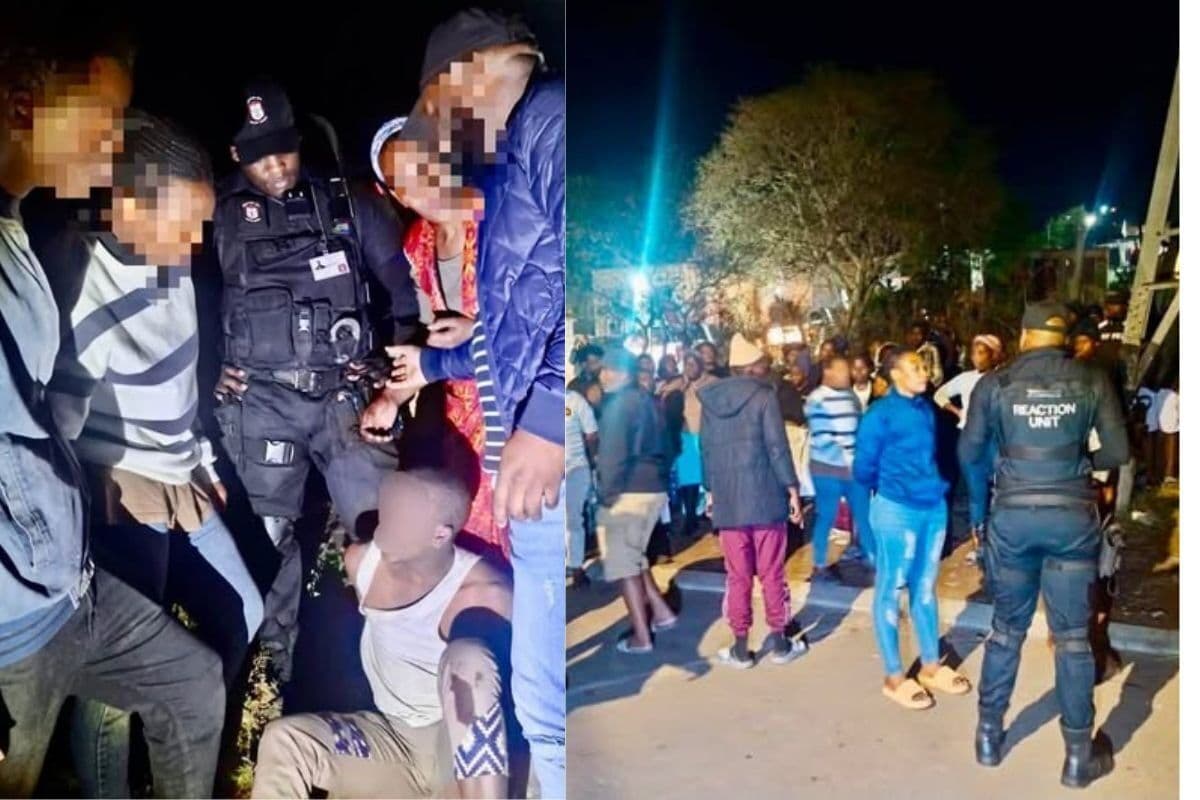
Authorities in KwaZulu-Natal (KZN) have arrested a traditional healer following serious allegations of sexual assault involving two young girls. The arrest, which came to light on 15 August 2026, has sparked immediate concern across the province, highlighting ongoing issues surrounding child safety and the accountability of community practitioners. While the initial reports confirm the arrest of the suspect, many details surrounding the specific circumstances of the alleged assaults remain closely guarded by law enforcement as investigations continue.
At this stage of the investigation, several key details have not been publicly disclosed. The exact location of the arrest within KwaZulu-Natal, the specific ages of the two victims, and the identity of the traditional healer have not been released to the media. In South Africa, the law strictly prohibits the publication of any information that could identify minor victims of sexual offences. Consequently, authorities are maintaining confidentiality regarding the identities of those involved to protect the children and ensure the integrity of the upcoming legal proceedings.
The arrest of a traditional health practitioner under such grave allegations brings the intersection of traditional medicine and child protection into sharp focus. In South Africa, traditional healers—often referred to as izangoma or izinyanga—hold positions of significant trust, authority, and spiritual leadership within their communities. When allegations of abuse arise against such figures, it often sends shockwaves through local communities, challenging the deep-seated trust placed in traditional healing systems and raising questions about the regulation of practitioners.
From a regulatory perspective, the traditional health sector in South Africa has long been under scrutiny regarding oversight and accountability. While formal bodies like the Traditional Health Practitioners Council exist to regulate the practice, enforcing standards and monitoring individual practitioners across vast rural and urban areas remains a complex challenge. Incidents such as this arrest underscore the urgent need for robust monitoring mechanisms to ensure that those practicing traditional medicine do not abuse their positions of authority, particularly when dealing with vulnerable groups like children.
For South African families and child advocacy groups, this development serves as a stark reminder of the critical importance of child safeguarding. Legal experts and social workers frequently emphasize the necessity of educating communities on child rights and the mechanisms available for reporting abuse. In South Africa, specialized units within the South African Police Service (SAPS), such as the Family Violence, Child Protection and Sexual Offences (FCS) units, are tasked with investigating these sensitive cases, ensuring that victims receive appropriate care and that suspects are brought to justice.
As the legal process begins, the public and local communities will be watching the courts closely. The next steps in this case will involve the suspect's initial court appearance, where formal charges will be laid and the issue of bail will be addressed. Observers will also be looking for official statements from traditional health organizations and local leadership, who often play a pivotal role in condemning such acts and cooperating with law enforcement to maintain the integrity of their practice.
Reporting record
How this story was produced
This article was AI-generated from the frozen trend evidence and passed deterministic quality and safety gates. No cross-provider evidence review or independent human verification is claimed for this record.
- Byline
- Newstrends AI Newsroom
- First published
- Last material update
- No later material update recorded
- Distinct source identifiers
- 1 retained source identifier
Frozen source links for this publication
Chronology
Story timeline
A generated chronology for orientation; dates and details may require source verification.
Update
News of the traditional healer's arrest in KwaZulu-Natal is reported following the alleged sexual assault of two girls.
Reader file
Frequently asked questions
01Where did the alleged incident take place?
The arrest occurred in the KwaZulu-Natal (KZN) province, but authorities have not yet released the specific town or municipality to protect the identities of the victims.
02Why have the identities of the suspect and victims not been revealed?
In South Africa, the law prohibits publishing details that could identify minor victims of sexual abuse. Consequently, names and identifying details are withheld.
Keep reading
Related coverage
More published reporting connected to this story.
Father of St Stithians Pupil Speaks Out as Police Launch Murder Investigation
The father of a St Stithians pupil has shared a poignant tribute, stating his daughter 'was deeply loved,' following the launch of a murder probe. Authorities are investigating the circumstances surrounding the death, though many details remain unconfirmed.
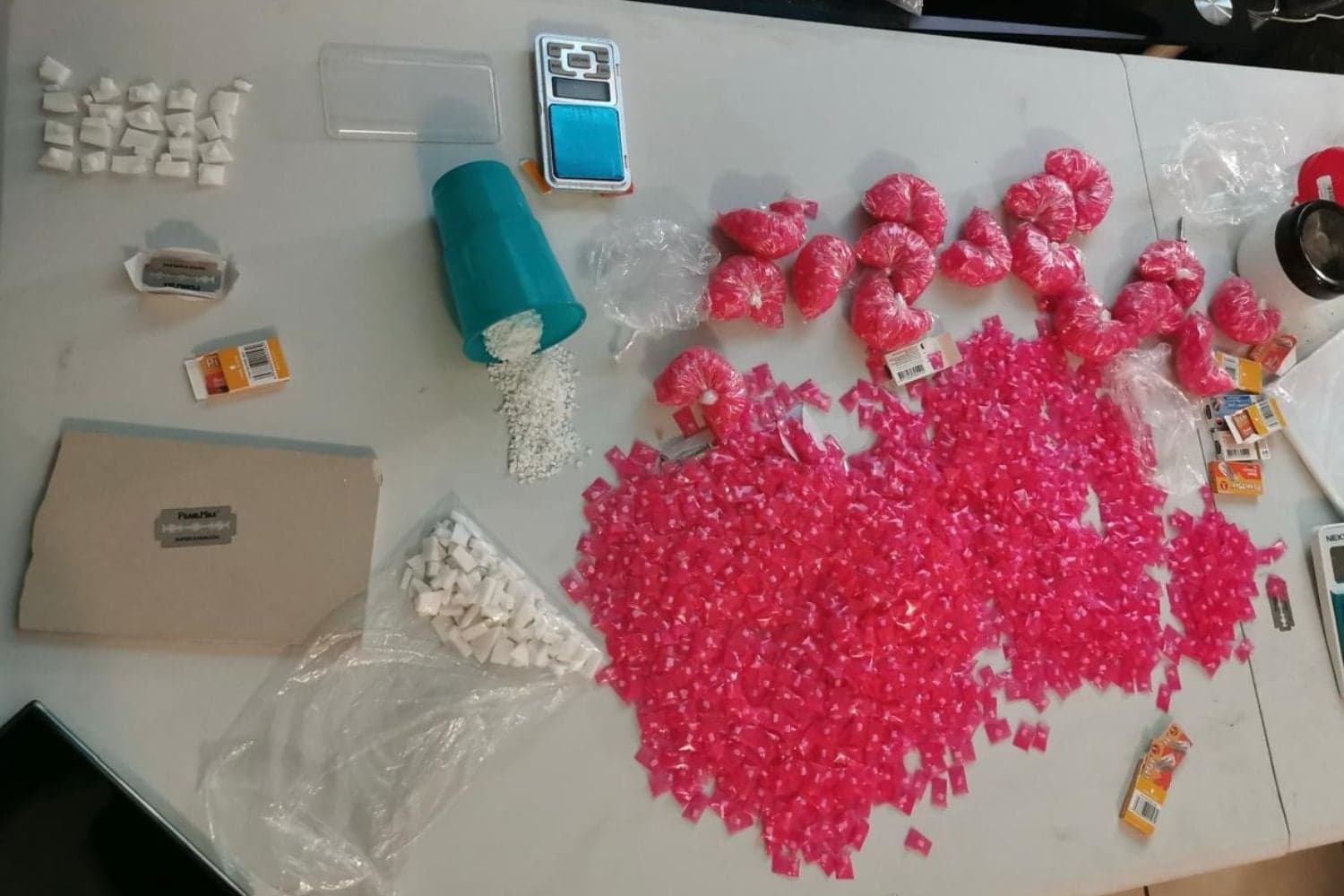
KZN Drug Bust: Trio Arrested and R1 Million Rock Cocaine Seized in Major Police Crackdown
Three suspects have been arrested in KwaZulu-Natal following a major police operation that yielded R1 million worth of rock cocaine. The bust highlights ongoing efforts by law enforcement to disrupt illicit drug supply chains in the province.

KZN Traditional Healer Arrested for Allegedly Masterminding Triple Murder
A traditional healer in KwaZulu-Natal has been arrested for allegedly orchestrating a triple murder. While specific details remain scarce, the incident has sparked widespread concern and put a spotlight on the regulation of traditional practices.

Murder Investigation Launched After Teenagers Found Dead at Mpumalanga Lodge
Police in Mpumalanga have opened a murder docket after the bodies of teenagers were discovered at a local lodge. The tragic incident has left families mourning 'an immeasurable void' as authorities search for answers.
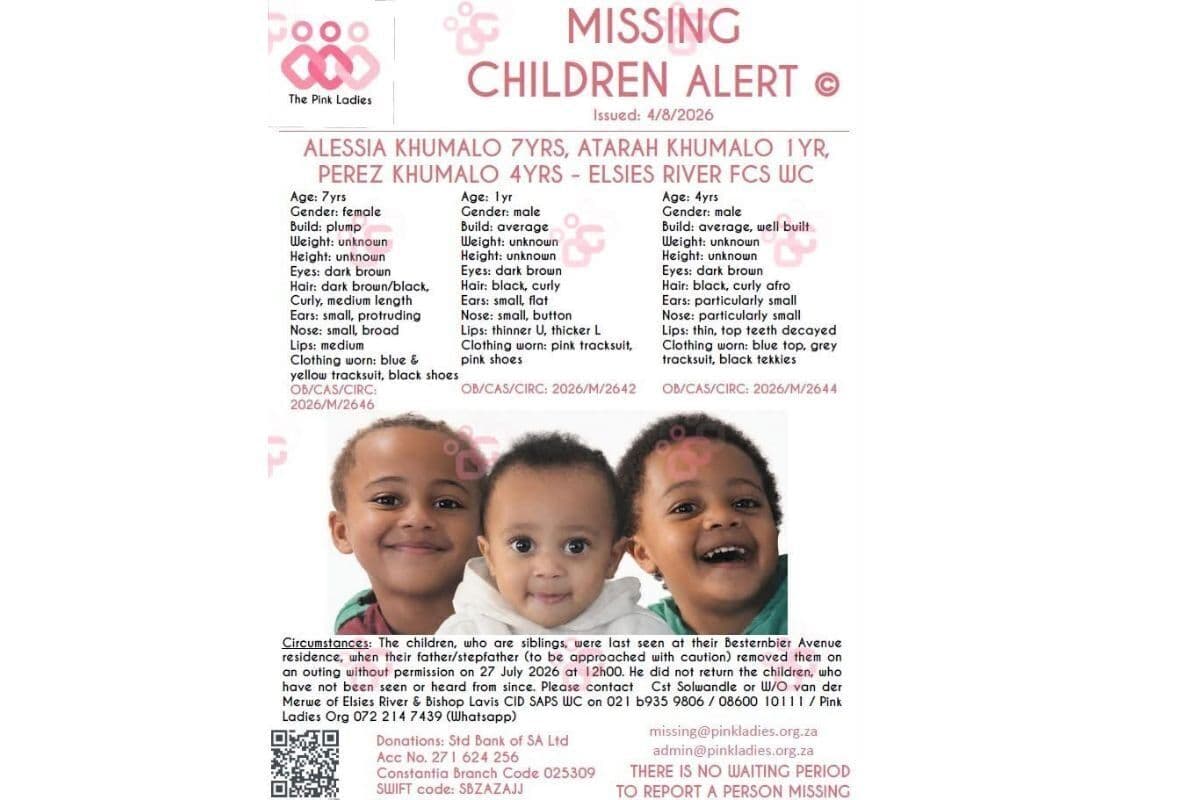
Cape Town Community on High Alert After Three Siblings Go Missing Following Trip with Father
Three siblings from Cape Town have been reported missing after a trip with their father, according to breaking local news reports. As details remain limited, community members and authorities are urged to remain vigilant while awaiting official updates.