Water Bankruptcy in South Africa: What Citizens Need to Know About the Emerging Crisis
Reports emerging on 24 July 2026 have highlighted the growing threat of 'water bankruptcy' in South Africa. This critical concept refers to a state where water demand and financial mismanagement collapse municipal supply chains, urging immediate public awareness.
On 24 July 2026, the concept of "water bankruptcy" emerged as a major point of discussion in South Africa, capturing the attention of citizens and policymakers alike. Following reports published by local media outlets, including Independent Online (IOL), South Africans have been urged to familiarise themselves with this critical term and its potential ramifications for the nation's future. As water security becomes an increasingly urgent issue, understanding what water bankruptcy means and how it impacts local communities has become essential for households across the country.
At its core, the term "water bankruptcy" refers to a crisis scenario where the demand for water far outstrips the available, usable supply, or where the financial and administrative structures responsible for delivering water can no longer function. While the exact technical parameters used by South African authorities to define this state remain to be fully detailed, the concept generally points to a systemic collapse in water governance. This occurs when physical water scarcity is compounded by severe financial distress, leaving water service providers unable to maintain infrastructure or secure raw water resources.
The emergence of this discussion highlights the deep-seated challenges facing South Africa's water sector. For years, the country has grappled with the dual pressures of changing weather patterns and deteriorating municipal infrastructure. Although specific new statistics or targeted municipalities were not immediately detailed in the initial reports of late July 2026, the broader context of South Africa’s water landscape suggests that several regions are highly vulnerable. The threat of water bankruptcy serves as a stark warning that traditional water management systems are reaching their absolute limits, requiring urgent intervention.
For ordinary South Africans, the practical implications of a water-bankrupt system are severe. When a municipality or water board faces this level of crisis, residents can expect more than just temporary supply interruptions. The consequences typically involve prolonged water shedding, a sharp decline in water quality, and significantly higher tariffs as authorities attempt to recover costs or fund emergency interventions. This makes it crucial for consumers to monitor their local water authorities and understand the financial health of their local service providers.
Currently, there is still much that remains unclear about how national and provincial governments plan to address the threat of water bankruptcy on a systemic level. While the public has been alerted to the severity of the situation through these recent reports, comprehensive policy frameworks, financial rescue packages for failing water boards, and specific mitigation timelines have not been fully disclosed by authorities. What is clear, however, is that the status quo is no longer sustainable, and both the public and private sectors will need to collaborate to find innovative solutions to secure the country's water future.
Moving forward, South Africans should closely watch for official statements from the Department of Water and Sanitation and local municipal councils. The key indicators to monitor will be the allocation of national budgets to water infrastructure, the implementation of stricter water conservation bylaws, and any structural reforms aimed at improving the financial viability of municipal water departments. As the debate surrounding water bankruptcy intensifies, public engagement and holding local leaders accountable will be vital in preventing this theoretical crisis from becoming a daily reality.
Reporting record
How this story was produced
This article was AI-generated from the frozen trend evidence and passed deterministic quality and safety gates. No cross-provider evidence review or independent human verification is claimed for this record.
- Byline
- Newstrends AI Newsroom
- First published
- Last material update
- No later material update recorded
- Distinct source identifiers
- 1 retained source identifier
Frozen source links for this publication
Chronology
Story timeline
A generated chronology for orientation; dates and details may require source verification.
Update
Reports on 'water bankruptcy' are published in South Africa, sparking widespread public discussion on national water security.
Reader file
Frequently asked questions
01What is water bankruptcy?
Water bankruptcy refers to a critical state where water demand exceeds sustainable supply, compounded by financial or administrative failures that prevent water service providers from functioning.
02When did this issue gain prominent public attention?
The issue gained significant traction in South African news on 24 July 2026, following media reports highlighting the concept.
03What are the potential impacts of water bankruptcy on South Africans?
Potential impacts include prolonged water shedding, deteriorated water quality, and increased tariffs as municipalities struggle to manage resources.
Keep reading
Related coverage
More published reporting connected to this story.
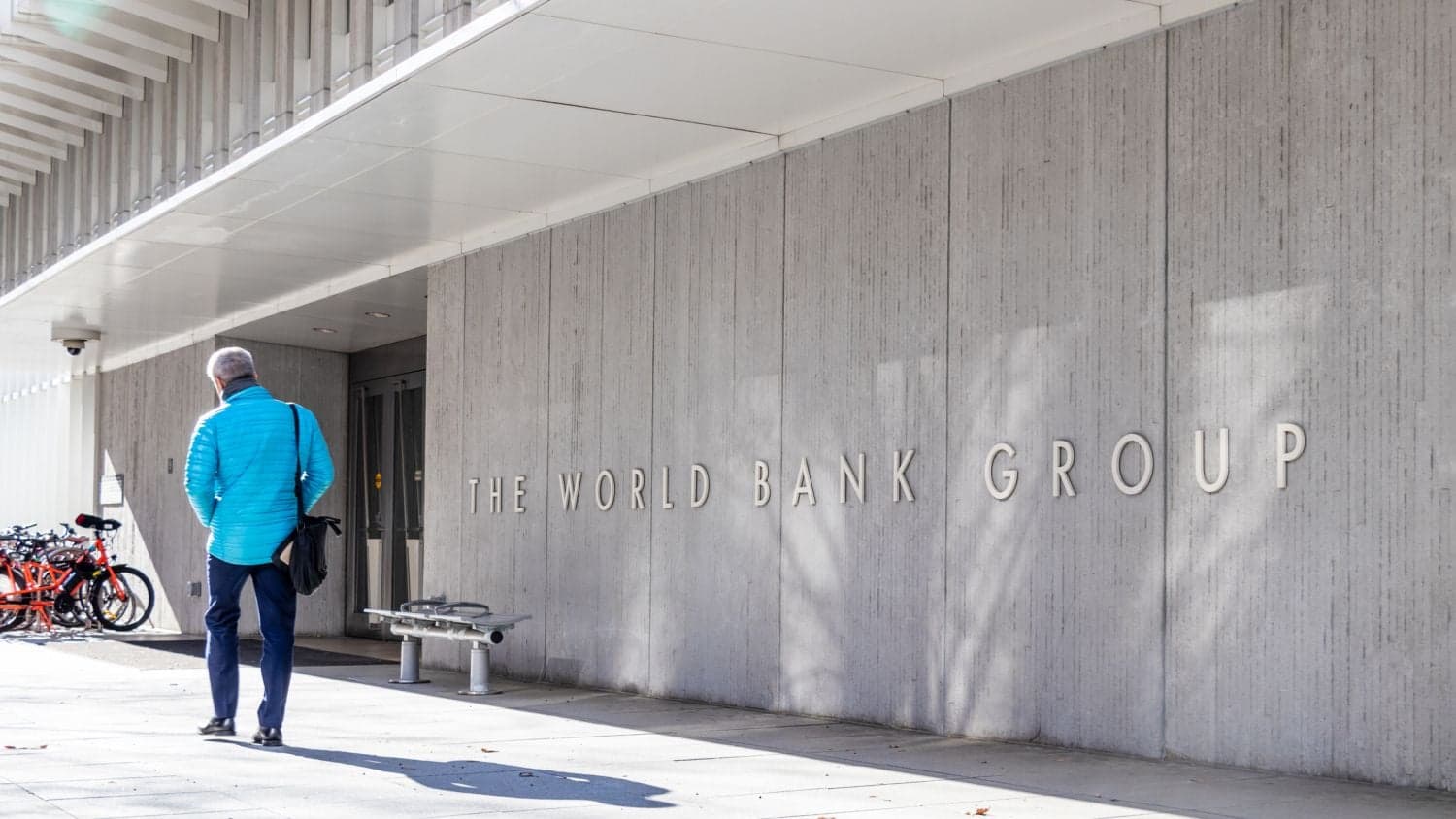
South Africa Secures Nearly R25bn World Bank Loan to Tackle Water and Infrastructure Challenges
South Africa is expected to receive a massive loan of nearly R25 billion from the World Bank. The funding is primarily aimed at addressing the country's critical water challenges alongside other developmental infrastructure needs.
Complexities of Migration in Africa: Call for Responsible Governance Sparks Crucial Dialogue
An opinion piece published in The Star has called for responsible governance to address the complex nature of migration across Africa. The commentary highlights the urgent need for coordinated policy frameworks to balance national security with continental integration.
Joe Mann Departs Jacaranda FM After Seven Years on Air
Radio presenter Joe Mann is bidding farewell to Jacaranda FM after seven years with the station. The announcement of his departure was confirmed by major South African media outlets on Friday.

Winter Gardening Trend Highlights How South Africans Can Listen to Their Plants This Season
A viral lifestyle guide published by The South African highlights the importance of understanding winter garden signals. As mid-winter brings diverse climatic challenges across the country, local gardeners are seeking practical advice to protect their plants.

We Buy Cars Addresses Backlash Over Controversial 'Offensive' Refugee Advertisement
South African vehicle dealer We Buy Cars has responded to public outcry over a controversial video advertisement. The promotional campaign, which has been criticised as offensive, has sparked significant debate online.