South Africa Accuses Israel of Defying Binding ICJ Genocide Orders
South Africa has formally charged Israel with non-compliance regarding the International Court of Justice's binding orders. This move marks a significant escalation in Pretoria's ongoing international legal campaign, highlighting the growing domestic and global debate over the enforcement of international law.
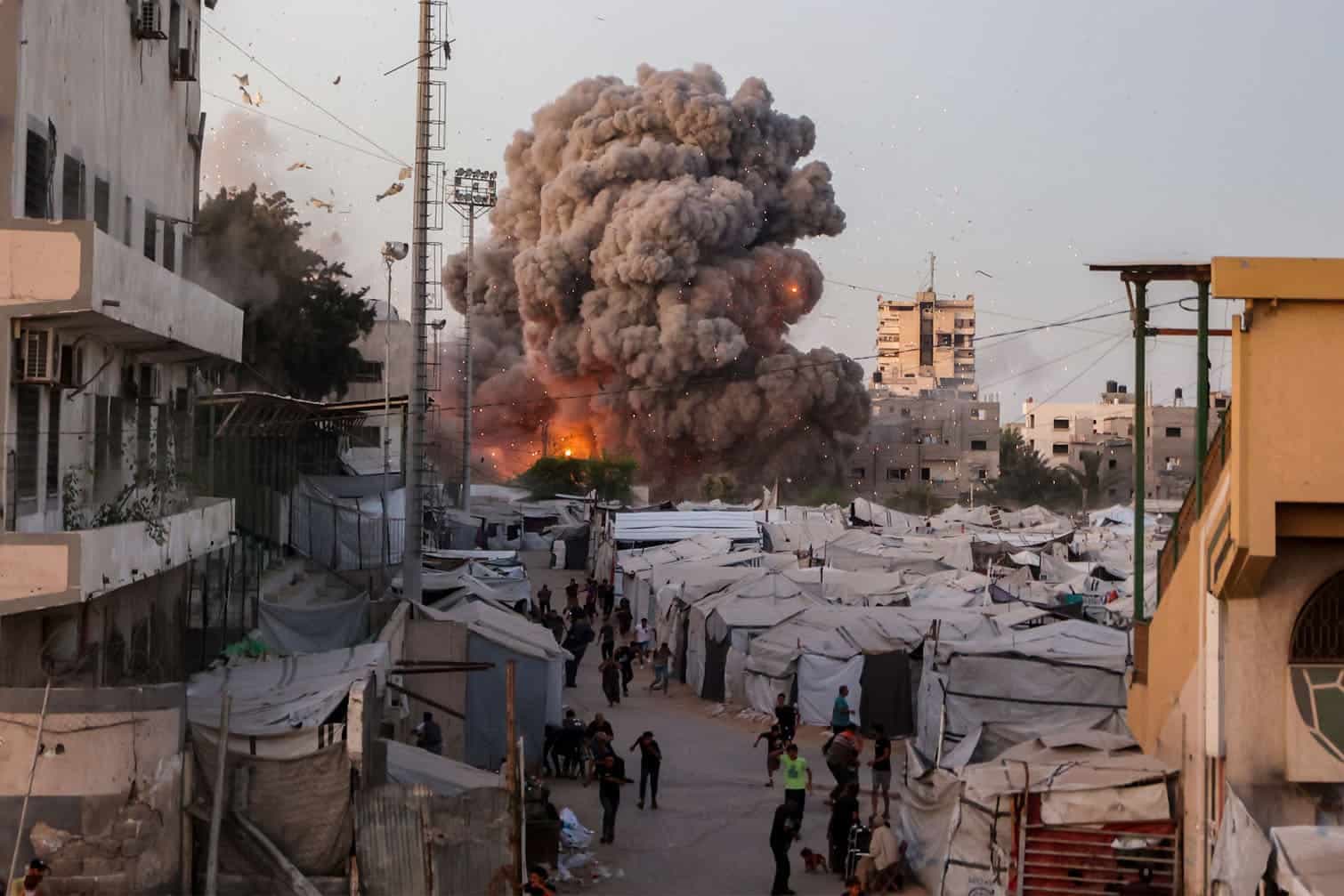
The South African government has officially charged Israel with defying the binding genocide orders issued by the International Court of Justice (ICJ). This major diplomatic and legal development, which came to light on 31 August 2026, represents a significant escalation in Pretoria's ongoing legal campaign against Israel at the United Nations' highest judicial body. By formally accusing Israel of non-compliance, South Africa is intensifying its efforts to hold the country accountable under international law, raising critical questions about the enforcement of international justice.
The core of South Africa's latest action lies in the allegation that Israel has actively ignored or bypassed the provisional measures and binding orders previously handed down by the ICJ. These orders were designed to prevent acts of genocide and ensure the delivery of basic humanitarian aid to the affected populations. While the initial reports from South African media sources confirm the filing of these charges, specific details regarding the precise incidents of defiance cited by South Africa, the exact legal wording of the new submission, and the immediate official response from the Israeli government have not been fully disclosed.
For South African readers, this development is a continuation of a highly publicised and historic foreign policy stance. The South African government, led by its legal representatives and diplomatic corps, has consistently argued that the international community has a moral and legal duty to prevent genocide. This stance is deeply rooted in South Africa's own historical transition to democracy and its constitutionally mandated commitment to human rights on the global stage. The decision to press forward with charges of defiance reflects Pretoria's determination to see the ICJ's rulings respected and enforced, despite the complex geopolitical challenges involved.
The legal significance of these 'binding orders' cannot be understated. When the ICJ issues provisional measures, they are legally binding on the parties involved under international law. However, a persistent challenge within the international legal framework is the lack of a direct enforcement mechanism. The ICJ relies on the United Nations Security Council and the collective political will of the international community to enforce its rulings. By charging Israel with defying these orders, South Africa is not only challenging Israel's actions but is also putting the efficacy of the international rules-based order to the test.
Domestically, South Africa's legal actions at the ICJ have generated intense debate and wide-ranging public interest. While many civil society organizations, political parties, and human rights advocates have strongly lauded the government's persistent legal challenges as a principled stand against injustice, other domestic commentators have raised concerns about the potential diplomatic and economic ramifications for South Africa. The ongoing legal battle remains a central point of discussion in South African politics, reflecting deep-seated views on international solidarity and global justice.
As this legal battle unfolds, international observers and legal experts will be closely monitoring the next steps at The Hague. Key aspects to watch include how the ICJ chooses to address South Africa's formal charge of defiance and whether the court will issue further, more stringent directives. Additionally, the diplomatic response from Israel, its international allies, and the broader United Nations membership will be crucial in determining whether this legal maneuver will lead to tangible changes on the ground or further political polarization.
In the coming weeks, clarity is expected to emerge regarding the specific evidence South Africa has submitted to support its claim of defiance. Until then, the charge stands as a bold assertion by Pretoria that international legal rulings must not be treated as optional, reinforcing South Africa's role as a prominent, albeit controversial, actor in contemporary international relations.
Reporting record
How this story was produced
This article was AI-generated from the frozen trend evidence and passed deterministic quality and safety gates. No cross-provider evidence review or independent human verification is claimed for this record.
- Byline
- Newstrends AI Newsroom
- First published
- Last material update
- No later material update recorded
- Distinct source identifiers
- 1 retained source identifier
Frozen source links for this publication
Chronology
Story timeline
A generated chronology for orientation; dates and details may require source verification.
Update
South Africa's charge against Israel for defying the ICJ's binding orders is reported by national media.
Reader file
Frequently asked questions
01What has South Africa charged Israel with?
South Africa has formally accused Israel of defying the binding genocide orders and provisional measures previously issued by the International Court of Justice (ICJ).
02What are the binding orders mentioned in the charge?
The binding orders refer to the provisional measures issued by the ICJ aimed at preventing acts of genocide and ensuring the delivery of humanitarian aid.
03How are ICJ orders enforced?
The ICJ lacks its own enforcement mechanism and relies on the UN Security Council and international diplomatic pressure to ensure compliance with its rulings.
Keep reading
Related coverage
More published reporting connected to this story.
Netanyahu Rejects Gaza Plan in Fresh Diplomatic Break From Trump, Reports IOL
Israeli Prime Minister Benjamin Netanyahu has rejected a proposed plan for Gaza, marking a new political rift with Donald Trump. The development, reported by South African outlet IOL, has sparked significant interest among local foreign policy observers.
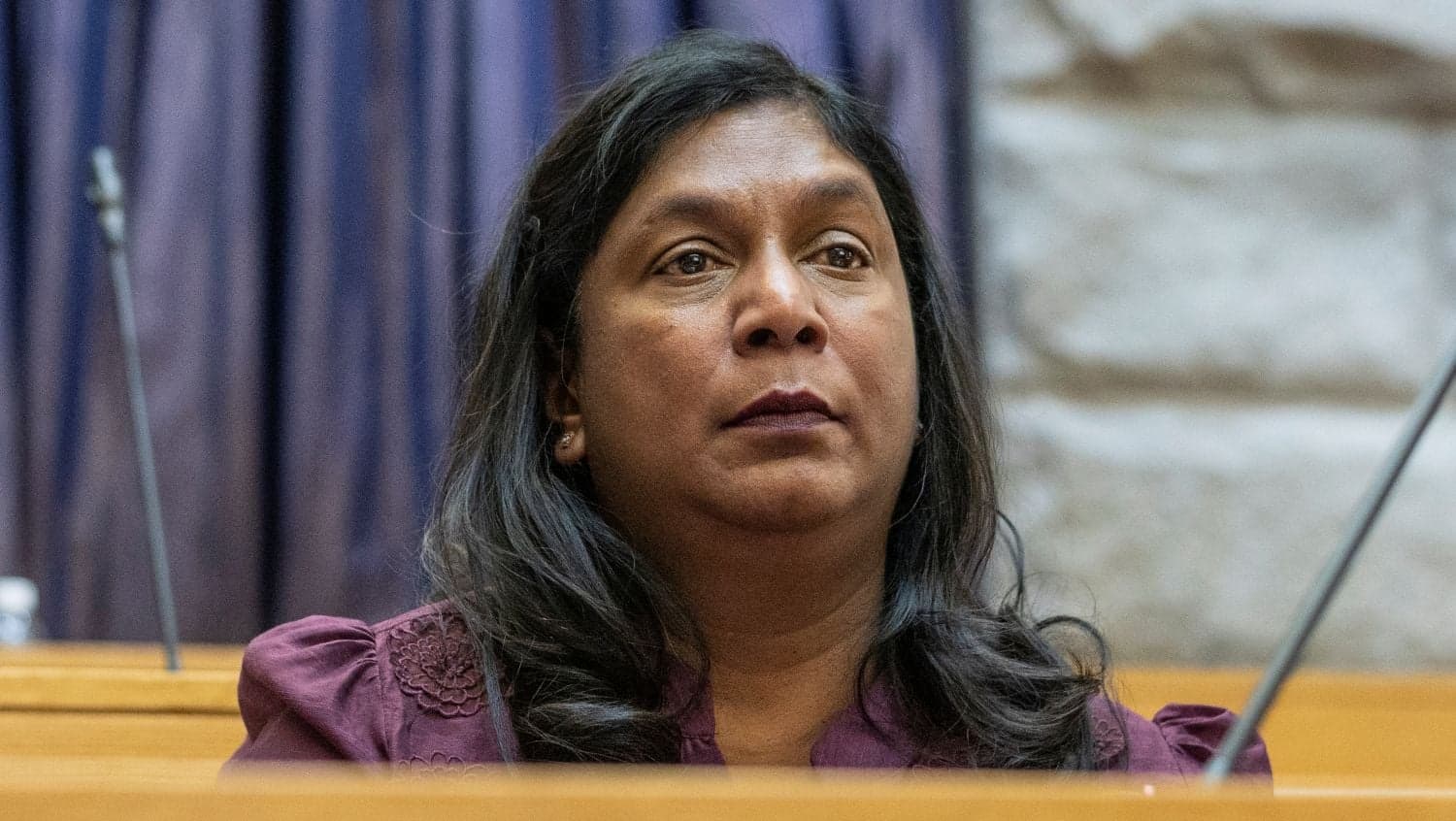
‘Get body bags ready’: Andrea Johnson speaks on alleged death threats before Khumalo’s arrest
Reports have emerged detailing chilling death threats, including a warning to 'get body bags ready', directed at Andrea Johnson-Madlanga before the arrest of an individual named Khumalo. The developing story highlights the severe security risks faced by key figures in South Africa's legal landscape.
Global Warning: Why the World's Mountains Are Being Described as Ticking Time Bombs
A recent opinion piece published by South Africa's Independent Online (IOL) warns that the world's mountains are 'ticking time bombs'. The viral topic has sparked crucial discussions on global environmental stability and what it means for local water security.
South Africa Awaits Final French Investigation Report on Nathi Mthethwa's Death
South African officials are still waiting for the final report from French authorities regarding the death of Nathi Mthethwa. The ongoing delay highlights the complex consular and diplomatic processes involved in cross-border investigations.
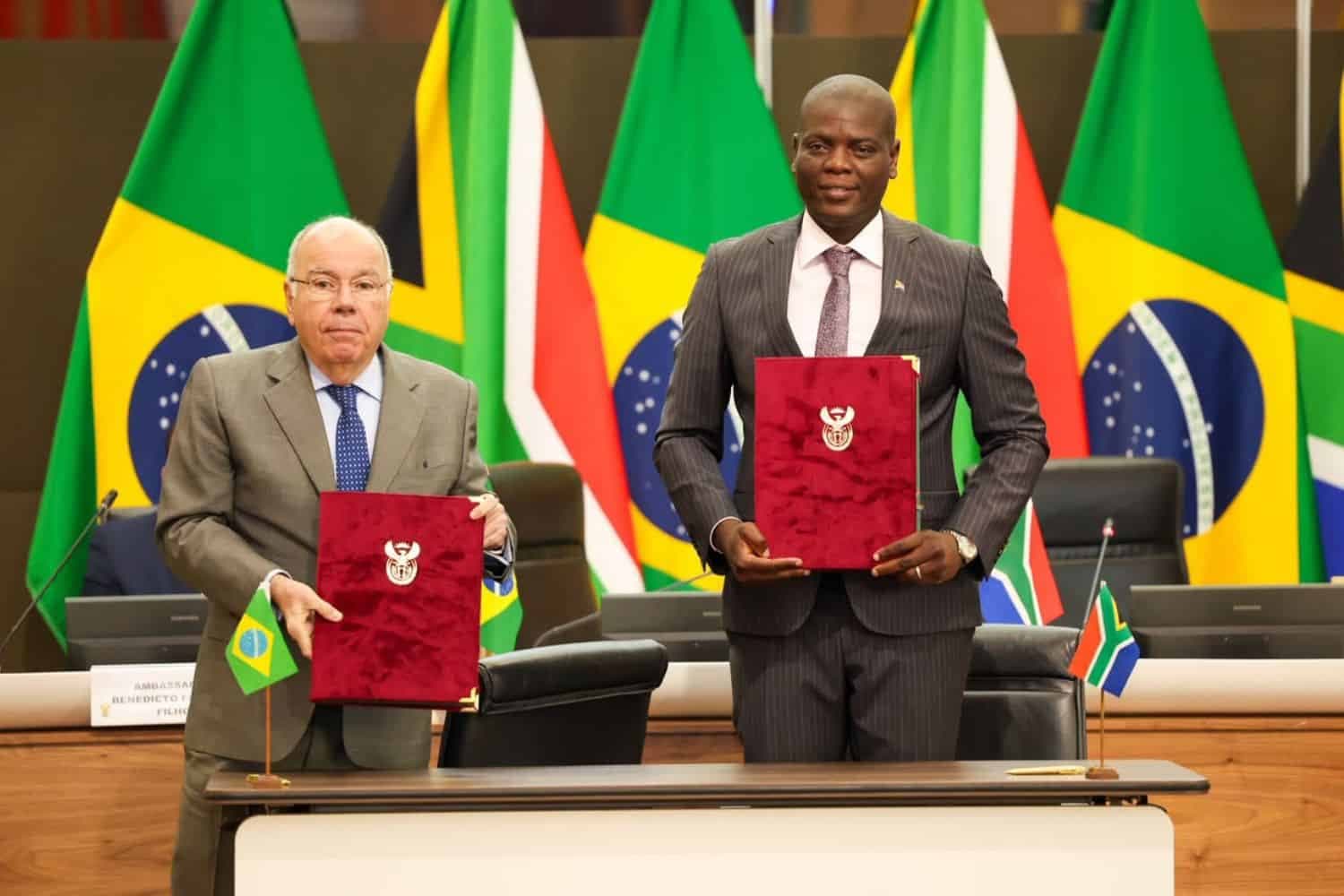
South Africa and Brazil Cement Bilateral Ties as Lamola Labels Democracy ‘a Work in Progress’
South Africa and Brazil have strengthened their bilateral partnership during recent diplomatic engagements. South African representative Lamola emphasized that democracy remains 'a work in progress' for both nations as they seek closer strategic cooperation.