Is Dada Morero’s Apology Too Little, Too Late? Debate Rages Over Political Accountability
Following reports of an apology by Dada Morero, South Africans are debating whether the gesture is sufficient. The controversy highlights growing public demands for swift and sincere political accountability.
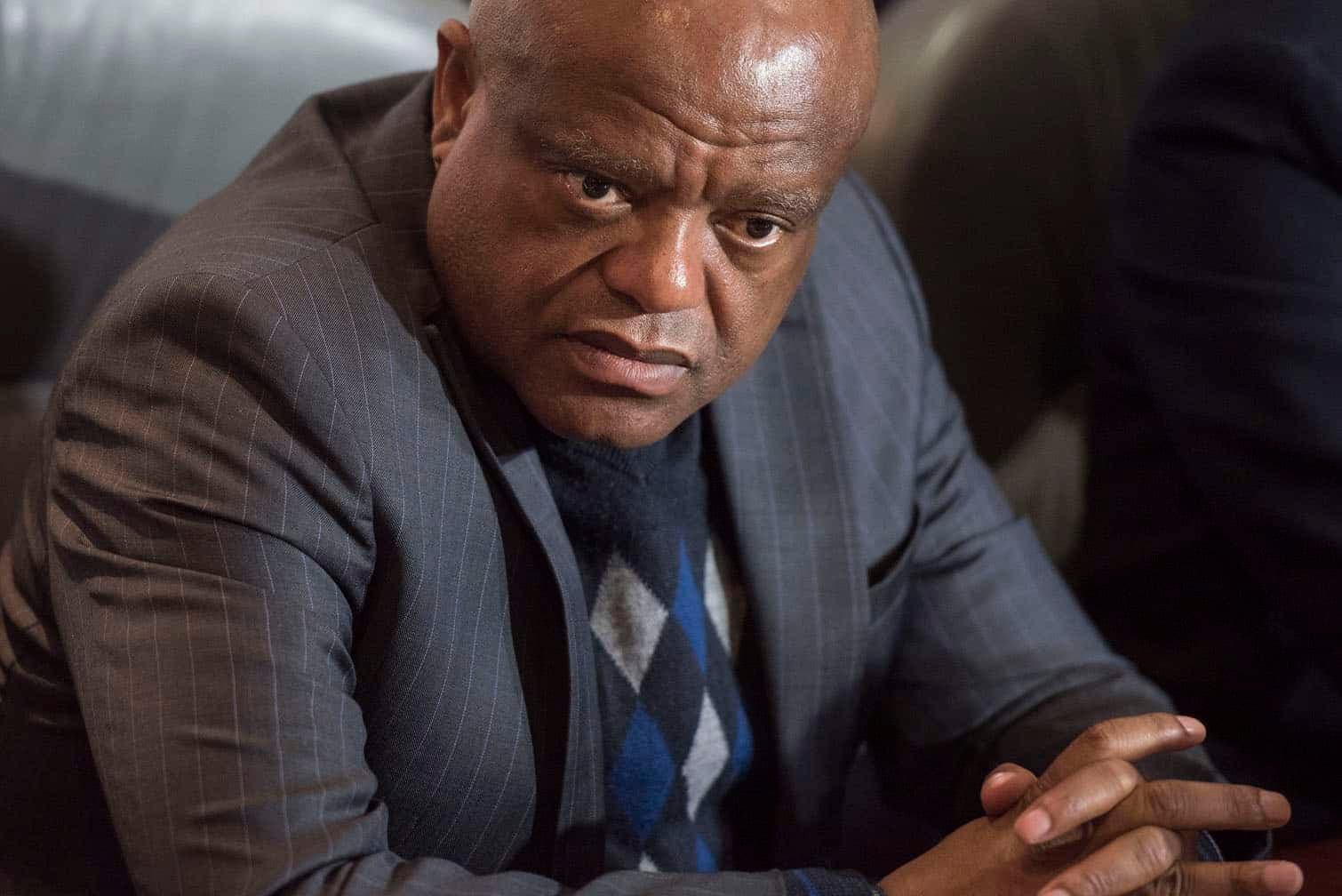
The political landscape in South Africa is once again abuzz with intense debate following recent developments involving Dada Morero. On 31 August 2026, a central question emerged across public platforms and media outlets: is Dada Morero’s apology too little, too late? This inquiry, brought to the forefront by reports from local news publisher The Citizen, has sparked a wider conversation about political accountability, the timing of public contrition, and the evolving expectations of the South African electorate.
At this stage of the reporting, the specific details regarding the exact incident, statement, or administrative decision that necessitated Morero's apology remain unconfirmed in the primary source material. What is clear, however, is that the public response has quickly bypassed the content of the apology itself to focus on its timing and perceived adequacy. In South African politics, where public trust is a highly contested currency, the delay in addressing a controversy can often become a larger issue than the original misstep.
This ongoing debate highlights a critical dynamic in the country's democratic space. When public figures find themselves in the eye of a storm, their immediate response is crucial. An apology that is perceived as delayed or half-hearted is frequently dismissed by critics as a calculated public relations exercise rather than a sincere admission of error. For Morero, the framing of the question—whether the gesture is "too little, too late"—indicates that a significant portion of the public and political observers are skeptical of the motivations behind the statement.
The practical implications of this skepticism are manifold. In a highly charged political environment, an ineffective apology can embolden political opponents and weaken a leader's standing within their own organisation. It raises questions about leadership judgement and the capacity to handle crises under pressure. When citizens feel that a public representative has only apologised because of mounting pressure rather than proactive responsibility, the moral authority required to lead effectively is severely compromised.
Furthermore, the situation underscores the role of media scrutiny in keeping public officials accountable. Publications like The Citizen play a pivotal role in framing these controversies, forcing a reflection on whether symbolic gestures are enough to satisfy the public's demand for good governance. In South Africa, where communities frequently express frustration over governance standards, a simple verbal or written apology is increasingly viewed as insufficient without accompanying corrective actions or tangible consequences.
As the nation watches this story unfold, several key aspects remain to be seen. Observers will be looking for official statements from Morero’s political party to determine if there is unified support or if internal divisions will widen as a result of this controversy. Additionally, the public will be waiting to see if Morero will follow up his apology with concrete steps to address the underlying issues, whatever they may be, or if the political fallout will continue to escalate in the coming days.
Ultimately, the debate over Dada Morero’s apology serves as a stark reminder of the changing relationship between South African politicians and the public. The days when a standard press release could quieten a controversy appear to be long gone. Today's electorate demands swift, transparent, and meaningful accountability, leaving little room for gestures that are deemed to be too little and arrived at far too late.
Reporting record
How this story was produced
This article was AI-generated from the frozen trend evidence and passed deterministic quality and safety gates. No cross-provider evidence review or independent human verification is claimed for this record.
- Byline
- Newstrends AI Newsroom
- First published
- Last material update
- No later material update recorded
- Distinct source identifiers
- 1 retained source identifier
Frozen source links for this publication
Chronology
Story timeline
A generated chronology for orientation; dates and details may require source verification.
Update
Media reports emerge questioning the timing and adequacy of Dada Morero's apology.
Reader file
Frequently asked questions
01What is the main controversy surrounding Dada Morero?
The current debate focuses on whether an apology issued by Dada Morero is sufficient and timely, with critics questioning if it is 'too little, too late'.
02What are the specific details of the incident prompting the apology?
The exact details of the incident or statement that prompted the apology remain unconfirmed in the initial reports from late August 2026.
Keep reading
Related coverage
More published reporting connected to this story.
SA News Round-Up: Morero Faces Scrutiny, Masemola Appeals to NPA, and Mkhwanazi Remains in Custody
A major national news round-up has highlighted critical legal and political developments across South Africa. Key updates include Dada Morero facing public scrutiny, Masemola requesting the NPA to withdraw charges, and Mkhwanazi remaining in state custody.
Accountability Under Scrutiny: The South African Officials Who Retain Power Despite Public Exposés
A recent report highlights the controversial trend of high-ranking South African officials retaining their positions despite major exposés. The ongoing debate underscores systemic challenges in enforcing consequence management and maintaining public trust.
Sunday Tribune Piece on the Allure of Ethnic Politics Sparks Nationwide Discussion
A viral opinion piece published by the Sunday Tribune has reignited debate over the role of ethnic mobilization in South African politics. The article highlights the ongoing tension between national unity and cultural identity. Analysts suggest the topic's high engagement reflects deep public interest in how political movements utilize identity-based protests.
Dion George Claims Email Proves Resolve Communications Ran Smear Campaign Against Him
Prominent political figure Dion George has claimed that a leaked email proves Resolve Communications orchestrated a targeted smear campaign against him. The allegations, reported by IOL, have sparked intense debate over ethical standards in South African political public relations.
'I Concede I Misled': IDAC's Andrea Johnson's Admission Sparks Urgent Ad Hoc Committee Review
Andrea Johnson of the Investigating Directorate Against Corruption (IDAC) has admitted to misleading authorities, prompting an immediate review by an Ad Hoc Committee. The shocking concession has raised serious questions about institutional integrity and public accountability in South Africa's anti-corruption sector.