A report published by the South African news outlet The Citizen on 27 July 2026 has reignited a critical national conversation regarding accountability and governance. The report focuses on the phenomenon of top public officials who have managed to remain in power or retain significant influence even after being subjected to damaging public exposés. This issue strikes at the heart of South Africa’s ongoing struggle with institutional integrity, raising serious questions about the effectiveness of consequence management within state institutions and public enterprises.
For many South Africans, the sight of highly placed officials weathering storms of controversy is a familiar one. Media exposés, parliamentary inquiries, and independent investigations frequently bring allegations of maladministration, corruption, or abuse of power into the public eye. However, as highlighted by the recent coverage, the path from exposure to actual accountability is rarely swift or straightforward. Instead, a trend has emerged where implicated individuals are able to leverage legal processes, political networks, or administrative delays to maintain their grip on authority.
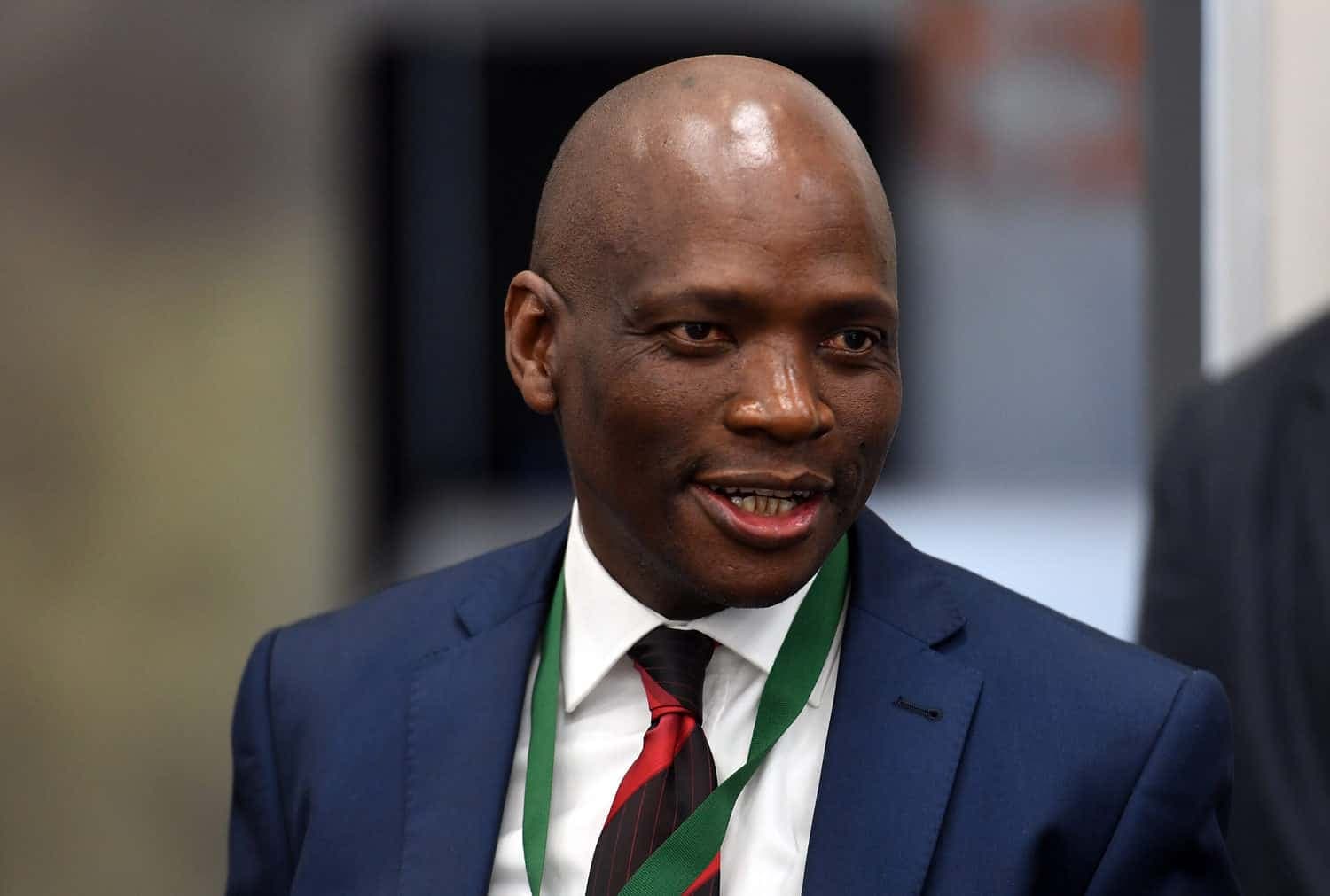
Among the prominent figures associated with this discourse is Hlaudi Motsoeneng, the former Chief Operating Officer of the South African Broadcasting Corporation (SABC). Motsoeneng’s tenure at the public broadcaster was marked by numerous controversies, policy shifts, and subsequent legal challenges. His inclusion in the visual and editorial context of the recent report underscores his status as a key reference point in South Africa's debate over public sector accountability. For years, his position at the SABC and his actions after leaving the broadcaster have served as a case study for how public figures navigate institutional scrutiny.
The persistent presence of such officials in public life points to systemic challenges within South Africa’s regulatory and legal frameworks. While investigative journalism plays a crucial role in bringing irregularities to light, the media lacks the statutory power to enforce consequences. That responsibility lies with state law enforcement agencies, internal disciplinary committees, and the courts. When these bodies operate slowly or are hindered by political interference, the gap between the initial exposé and any formal disciplinary action widens, allowing controversial figures to remain in office.
This delay in consequence management has profound implications for public trust. When high-profile officials face no immediate repercussions following serious allegations, it fosters a perception of impunity among the general public. Civil society organisations and anti-corruption watchdogs have repeatedly warned that a lack of swift action erodes the credibility of democratic institutions. It also signals to the wider public service that accountability measures can be bypassed or delayed indefinitely through protracted legal battles funded by taxpayers.
As the discussion surrounding these top officials continues to evolve, the focus shifts to what structural reforms are necessary to prevent similar occurrences in the future. Observers are closely watching whether state institutions will implement more robust vetting processes and faster disciplinary mechanisms. Ultimately, the true test of South Africa's commitment to clean governance will be whether future exposés lead to swift, transparent, and legally sound consequences, or if the pattern of survival among implicated officials will persist.