'I Concede I Misled': IDAC's Andrea Johnson's Admission Sparks Urgent Ad Hoc Committee Review
Andrea Johnson of the Investigating Directorate Against Corruption (IDAC) has admitted to misleading authorities, prompting an immediate review by an Ad Hoc Committee. The shocking concession has raised serious questions about institutional integrity and public accountability in South Africa's anti-corruption sector.
In a development that has sent shockwaves through South Africa’s political and legal landscapes, Andrea Johnson of the Investigating Directorate Against Corruption (IDAC) has made a dramatic admission, conceding that she misled authorities. This startling revelation has immediately triggered an official review by an Ad Hoc Committee, marking a critical juncture for public accountability and the country's ongoing anti-corruption efforts. The admission, which came to light on 24 July 2026, has raised urgent questions about the internal dynamics and oversight of key institutional bodies.
According to initial reports published by Independent Online (IOL), the core of the controversy centres on Johnson's explicit statement: "I concede I misled." While the specific details of what was misrepresented, the exact context of the statement, and the target of the misleading information have not yet been fully detailed in the initial public disclosures, the gravity of the admission is underscored by the immediate legislative response. The involvement of an Ad Hoc Committee indicates that Parliament or a similar governing body is treating the matter with the utmost seriousness, initiating a formal review process to investigate the scope and impact of the misrepresentation.
To understand the significance of this development, it is essential to look at the role of IDAC within South Africa's broader governance framework. As an entity tasked with investigating corruption, IDAC holds a position of immense public trust. South Africans have long demanded rigorous action against corruption, making the integrity of those leading these investigative bodies a matter of national interest. When a high-profile figure within such an institution admits to misleading stakeholders, it directly impacts public confidence in the state's capacity to fight corruption transparently and ethically.
The establishment or activation of an Ad Hoc Committee to review this admission is a structured legislative mechanism designed to ensure accountability. In the South African political system, parliamentary committees are tasked with oversight, ensuring that public officials and state organs adhere to constitutional mandates. An Ad Hoc Committee is typically convened for a specific, highly significant purpose that falls outside the routine scope of standing committees. This review will likely focus on determining how the misrepresentation occurred, the extent of its influence on decision-making, and what corrective actions are necessary.
As the review begins, several critical questions remain unanswered. The public and political commentators are waiting to learn the precise nature of the information that was misled, the timeline of the events leading up to the admission, and whether other officials within IDAC were aware of the situation. Furthermore, it remains unclear what immediate administrative or legal consequences Andrea Johnson might face as a result of her concession. In the absence of official statements detailing these aspects, the Ad Hoc Committee’s upcoming sessions will be crucial in providing the transparency that the South African public expects.
This incident occurs at a sensitive time for South Africa's anti-corruption agencies, which are constantly under scrutiny from civil society, political parties, and international observers. Maintaining the moral high ground and absolute factual accuracy is paramount for agencies like IDAC. Any admission of misleading conduct, regardless of the scale, can be weaponised by detractors to undermine the legitimacy of ongoing investigations and prosecutions. Consequently, the Ad Hoc Committee's review is not just about individual accountability but also about safeguarding the institutional integrity of South Africa's legal and investigative systems.
Moving forward, the focus will shift entirely to the proceedings of the Ad Hoc Committee. Observers will be watching closely to see when the committee will table its preliminary findings and whether public hearings will be conducted to allow for open testimony. The response from IDAC's leadership and other oversight bodies will also be pivotal in shaping public perception. As South Africa continues its complex journey toward institutional reform and accountability, the resolution of this controversy will serve as a key indicator of the country's commitment to holding its public officials to the highest standards of honesty.
Reporting record
How this story was produced
This article was AI-generated from the frozen trend evidence and passed deterministic quality and safety gates. No cross-provider evidence review or independent human verification is claimed for this record.
- Byline
- Newstrends AI Newsroom
- First published
- Last material update
- No later material update recorded
- Distinct source identifiers
- 1 retained source identifier
Frozen source links for this publication
Chronology
Story timeline
A generated chronology for orientation; dates and details may require source verification.
Update
Reports emerge detailing Andrea Johnson's admission that she misled authorities, sparking an immediate Ad Hoc Committee review.
Reader file
Frequently asked questions
01Who is Andrea Johnson?
Andrea Johnson is an official associated with the Investigating Directorate Against Corruption (IDAC) in South Africa.
02What did Andrea Johnson admit to?
According to reports, Johnson made the admission, 'I concede I misled,' though the specific details of what was misrepresented remain unclear.
03What is the response to this admission?
An Ad Hoc Committee has been prompted to conduct a formal review of the situation to ensure accountability.
Keep reading
Related coverage
More published reporting connected to this story.
Madlanga Inquiry: Andrea Johnson Alleges 'Secret Fund Looting Scheme' and Capture of Crime Intelligence
At the Madlanga Inquiry, Andrea Johnson has alleged that South Africa's Crime Intelligence division was 'captured' through a secret fund looting scheme. The startling claims have raised serious concerns regarding the oversight of classified state security budgets. As the inquiry unfolds, key details about the scale of the alleged siphoning remain undisclosed.
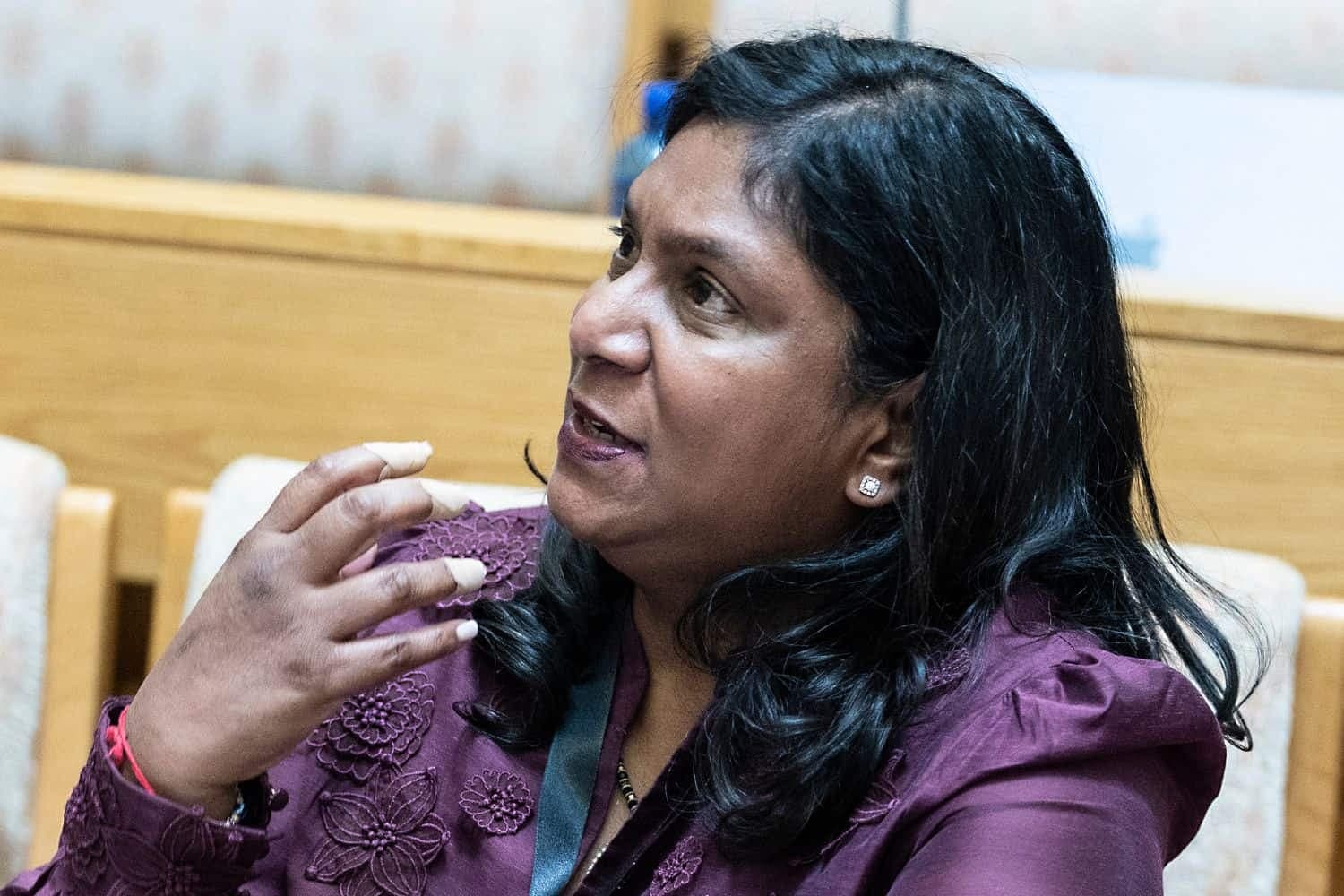
Idac's Andrea Johnson Grilled Over Crime Intelligence Probe in High-Stakes Hearing
Andrea Johnson, head of the Investigating Directorate Against Corruption (Idac), has faced intense questioning over a Crime Intelligence probe. The proceedings, linked to the Madlanga commission, have raised serious accountability concerns.
Complexities of Migration in Africa: Call for Responsible Governance Sparks Crucial Dialogue
An opinion piece published in The Star has called for responsible governance to address the complex nature of migration across Africa. The commentary highlights the urgent need for coordinated policy frameworks to balance national security with continental integration.
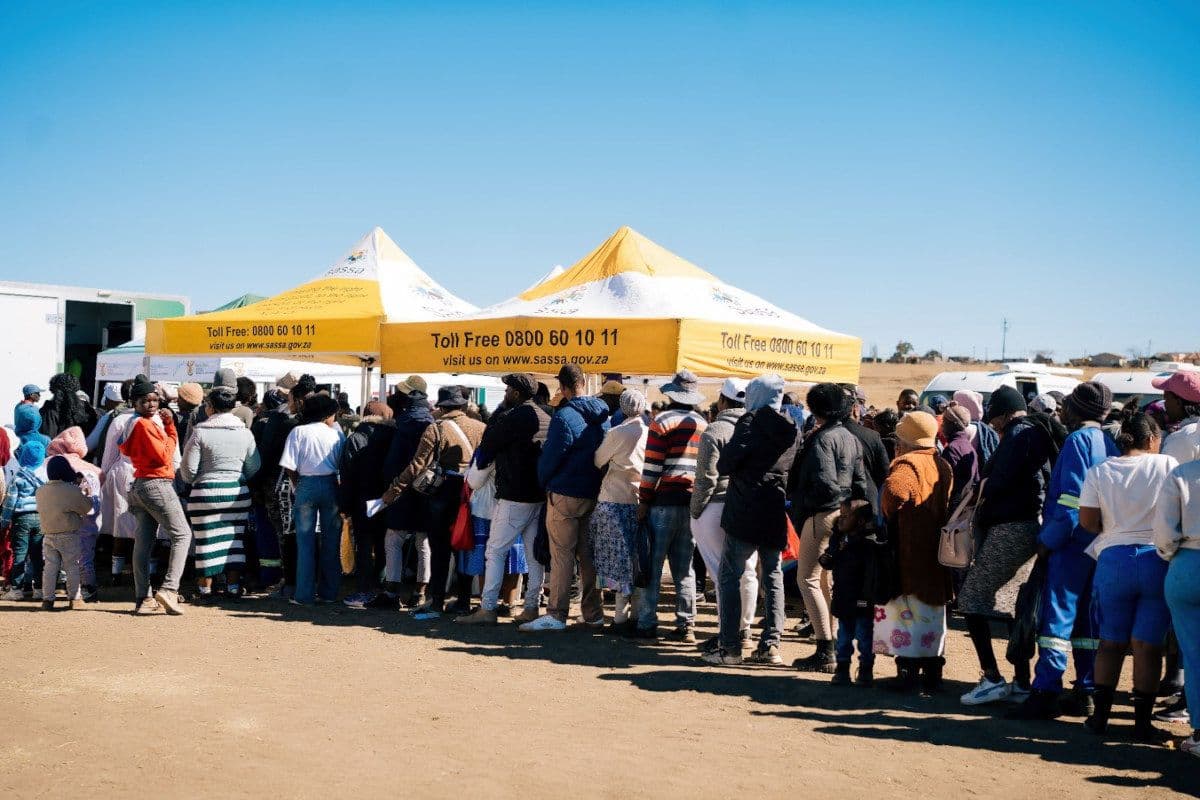
SASSA Sacks Four Officials Amid R33 Million Social Grants Fraud Probe
The South African Social Security Agency (SASSA) has dismissed four officials following their alleged involvement in a R33 million social grants fraud scheme. The dismissals come as the agency continues its efforts to combat corruption and protect vital social welfare funds. This move underscores SASSA's commitment to accountability within its ranks.
Anglo American Reports Strong Q2 Performance in Copper and Iron Ore
Mining giant Anglo American has delivered a strong operational update for the second quarter of 2026, highlighting robust production in its copper and iron ore divisions. The results provide a positive signal for the mining sector amid ongoing global economic shifts.