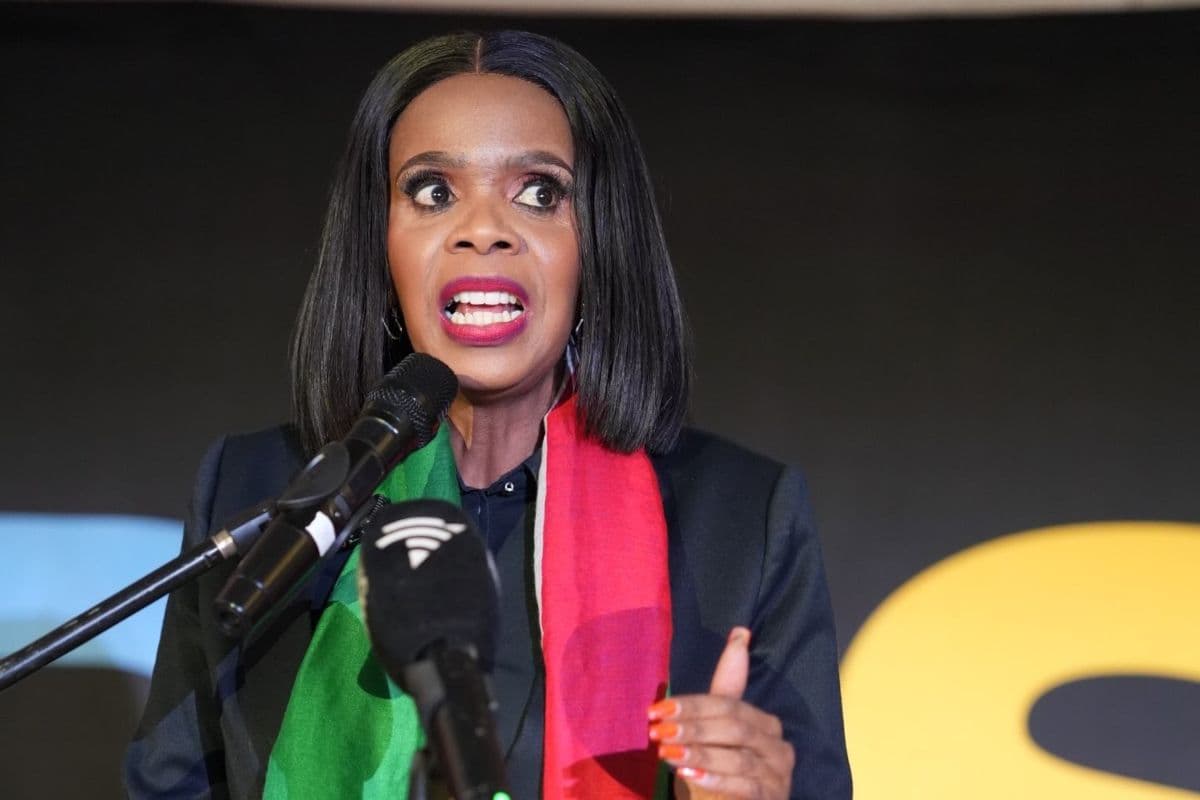
On 27 July 2026, a significant political controversy emerged in South Africa as prominent political figure Dion George claimed to have uncovered definitive proof of a coordinated smear campaign against him. According to reports, George asserts that a specific email in his possession provides undeniable evidence that Resolve Communications, a well-known public relations and communications agency, was actively working to damage his reputation. The revelation has rapidly gained traction, raising serious questions about the ethics of political communication and the role of private agencies in shaping public perception.
The allegations first came to light through a report published by Independent Online (IOL), thrusting both George and Resolve Communications into the media spotlight. In the highly charged environment of South African politics, claims of orchestrated reputational attacks are taken extremely seriously. George’s public statement represents a direct challenge to the agency, suggesting that the methods employed went far beyond standard public relations and crossed into the territory of deliberate, malicious disinformation.
Despite the gravity of the accusations, many of the specific details surrounding the alleged smear campaign remain unclear. The exact contents of the email cited by George have not yet been fully disclosed to the public, nor has the timeline of the alleged campaign been established. It remains to be seen what specific narratives were allegedly spread, how widely they were distributed, and what impact they may have had on George’s public standing and political career.
The involvement of an established agency like Resolve Communications adds a layer of complexity to the developing story. Public relations firms are standard actors in South African public life, often hired to manage reputations, craft messaging, and navigate complex media landscapes. However, when an agency is accused of running a "smear campaign," it challenges the industry's ethical boundaries. Such allegations, if proven true, could have severe legal and professional consequences for the firm and its leadership.
This developing situation highlights a broader concern within South African society regarding the integrity of political discourse. In recent years, the weaponisation of public relations and the spread of targeted disinformation have become growing anxieties for voters and politicians alike. When high-profile figures allege that professional agencies are being used to undermine them, it deepens public cynicism and underscores the need for greater transparency in how political campaigns and public relations operations are funded and executed.
Currently, several critical pieces of information are missing from the public domain. It is not yet known who, if anyone, contracted Resolve Communications to conduct the alleged campaign against George, or what the ultimate objective of the purported operation was. Observers are also waiting to see how Resolve Communications will respond to these serious claims, as the agency has yet to release a detailed public statement addressing the authenticity of the email or the nature of George's accusations.
The practical implications of these allegations could be far-reaching for all parties involved. For Dion George, establishing the validity of the email could serve as a powerful vindication, potentially shifting public sentiment and neutralizing past criticisms. For Resolve Communications, the stakes are equally high; defending their professional integrity is crucial to maintaining their client base and avoiding potential regulatory scrutiny or legal action from affected parties.
As South Africans watch this story unfold, the next steps will be critical. Observers will be looking to see whether George releases the full email correspondence to the media or presents it to formal regulatory bodies, such as the Public Relations Institute of Southern Africa (PRISA) or legal authorities. Until more concrete evidence is made public and both sides have laid out their arguments, the true scope and impact of this alleged smear campaign will remain a subject of intense speculation and concern.