SA News Round-Up: Morero Faces Scrutiny, Masemola Appeals to NPA, and Mkhwanazi Remains in Custody
A major national news round-up has highlighted critical legal and political developments across South Africa. Key updates include Dada Morero facing public scrutiny, Masemola requesting the NPA to withdraw charges, and Mkhwanazi remaining in state custody.
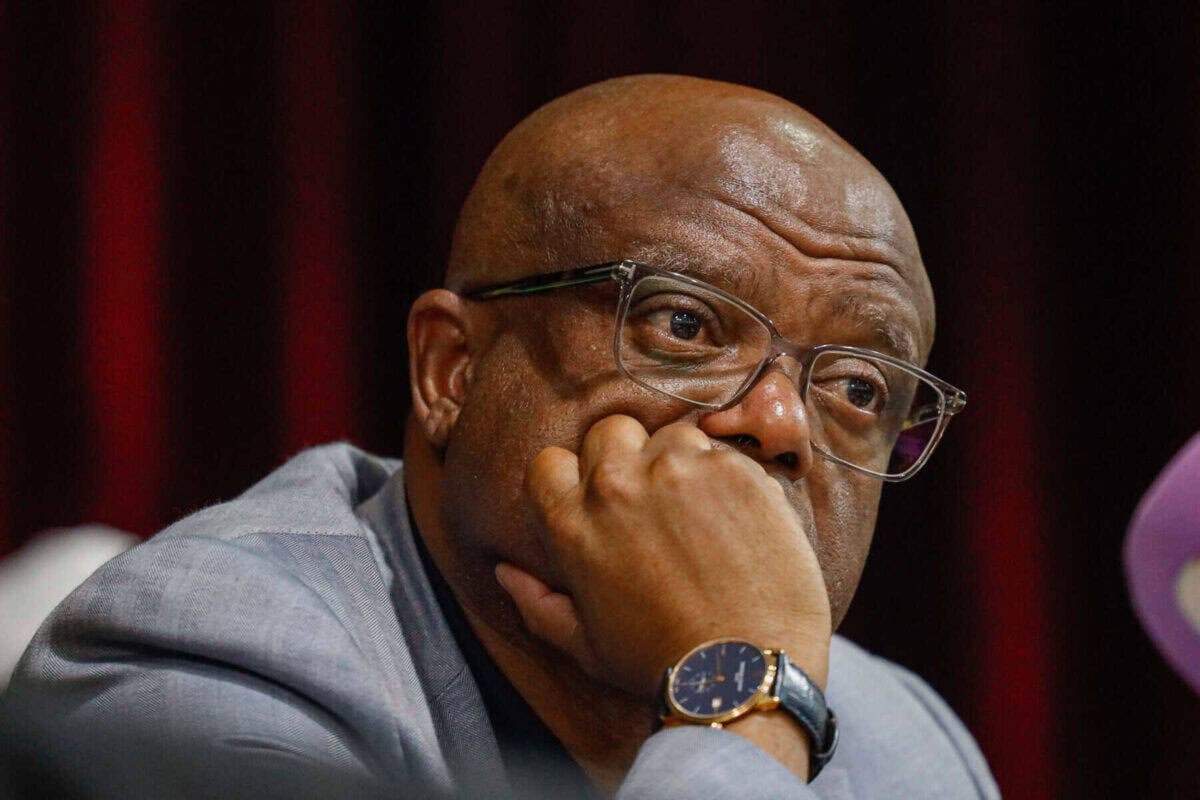
A series of major political and legal developments have gripped South Africa, as highlighted in the latest national news round-up on 28 August 2026. The week's top stories, which have rapidly gained traction across local media platforms, centre on three key figures: Johannesburg political figure Dada Morero, a prominent individual named Masemola, and another key figure, Mkhwanazi. These developments touch on critical aspects of local governance, the administration of justice through the National Prosecuting Authority (NPA), and ongoing law enforcement actions, reflecting the complex and fast-moving nature of the country's current public affairs landscape.
The first major talking point involves what has been described in media reports as "Morero’s sh*tty moment." Dada Morero, who is a highly visible figure in South African municipal politics, has found himself at the centre of intense public scrutiny. While the specific details of the incident or administrative challenge leading to this description remain closely guarded, the situation has already sparked widespread discussion online and in political circles. In the highly charged environment of South African local government, such moments of controversy often have broader implications for political stability and public trust in leadership, making this a key story to monitor.
In a separate but equally significant legal development, Masemola has reportedly approached the National Prosecuting Authority (NPA) to request the withdrawal of charges. The NPA, which serves as the primary institution responsible for instituting criminal proceedings on behalf of the state, now faces a crucial decision regarding this formal request. The details surrounding the specific charges in question and the legal basis upon which Masemola is seeking their withdrawal have not been fully disclosed in the initial reports. However, any interaction of this nature involving high-profile figures and the state's prosecuting authority inevitably draws intense public interest and raises questions about the progression of the case.
Meanwhile, the third major update confirms that Mkhwanazi remains in custody. The decision to keep an individual in custody typically points to ongoing judicial processes, such as pending bail applications, further police investigations, or court determinations that the accused poses a flight risk or potential threat to the public. Because the exact charges and the specific jurisdiction handling Mkhwanazi's case are still unfolding, public observers are left waiting for formal court transcripts or official police statements to clarify the precise legal grounds for the continued detention.
Together, these three distinct narratives highlight the ongoing intersection of politics, law enforcement, and the judicial system in South Africa. The public's reaction to these stories underscores a deep-seated demand for accountability and transparency from both elected officials and those navigating the country's legal structures. Whether dealing with political embarrassments or formal criminal charges, the actions of figures like Morero, Masemola, and Mkhwanazi are viewed through a lens of national reform and the rule of law.
At this stage, several critical details remain unclear, and official bodies have yet to release comprehensive statements on all three fronts. It remains to be seen how the NPA will respond to Masemola's request to drop the charges, and what the subsequent legal steps will be if the request is denied. Similarly, the exact timeline for Mkhwanazi's next court appearance and the potential political fallout from Morero's recent challenges will depend heavily on statements from their respective representatives in the coming days.
As these situations continue to develop, South Africans will be watching closely to see how the justice system and political structures handle these high-stakes matters. The resolution of Masemola's representations to the NPA, the progression of Mkhwanazi's custody status, and the political management of Morero's public standing will undoubtedly influence the national conversation heading into the next month. Observers can expect further details to emerge as formal legal filings are made and official spokespeople address the media.
Reporting record
How this story was produced
This article was AI-generated from the frozen trend evidence and passed deterministic quality and safety gates. No cross-provider evidence review or independent human verification is claimed for this record.
- Byline
- Newstrends AI Newsroom
- First published
- Last material update
- No later material update recorded
- Distinct source identifiers
- 1 retained source identifier
Chronology
Story timeline
A generated chronology for orientation; dates and details may require source verification.
Update
The Citizen publishes a national news round-up highlighting key developments involving Morero, Masemola, and Mkhwanazi.
Reader file
Frequently asked questions
01What is the latest update regarding Masemola's charges?
Masemola has formally requested the National Prosecuting Authority (NPA) to withdraw the charges. The NPA's decision on this matter remains pending.
02Why is Mkhwanazi still in custody?
Mkhwanazi remains in custody as legal proceedings and investigations continue. Specific details regarding the charges and custody terms have not been fully disclosed.
03What is the controversy surrounding Dada Morero?
Dada Morero has faced public scrutiny over a challenging situation described in media reports as a highly controversial moment, though specific details remain limited.
Keep reading
Related coverage
More published reporting connected to this story.
Andrew Chauke Cleared Following Fitness for Office Challenge by Batohi
Senior prosecutorial figure Andrew Chauke has been cleared after a high-profile challenge to his fitness for office. The challenge, initiated by National Director of Public Prosecutions Shamila Batohi, represents a major development within South Africa's legal landscape.
Sunday Tribune Piece on the Allure of Ethnic Politics Sparks Nationwide Discussion
A viral opinion piece published by the Sunday Tribune has reignited debate over the role of ethnic mobilization in South African politics. The article highlights the ongoing tension between national unity and cultural identity. Analysts suggest the topic's high engagement reflects deep public interest in how political movements utilize identity-based protests.
Charges Withdrawn Against South Africa's Crime Intelligence Boss Khumalo
Charges against Crime Intelligence boss Khumalo have been withdrawn, according to breaking media reports. The decision marks a major development for South Africa's security sector, though official reasons for the withdrawal remain unconfirmed.
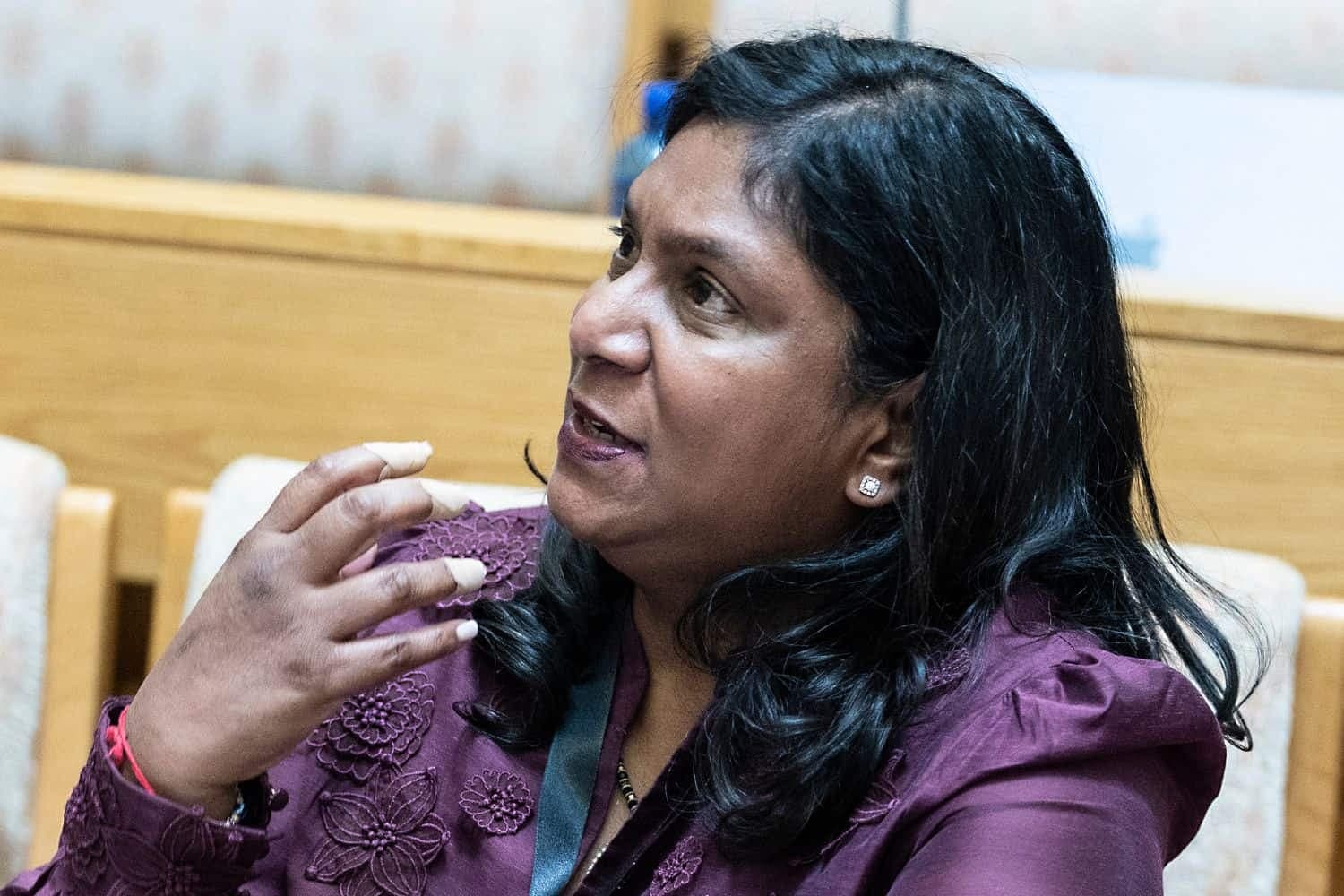
Idac's Andrea Johnson Grilled Over Crime Intelligence Probe in High-Stakes Hearing
Andrea Johnson, head of the Investigating Directorate Against Corruption (Idac), has faced intense questioning over a Crime Intelligence probe. The proceedings, linked to the Madlanga commission, have raised serious accountability concerns.
Claims of 'Miracle' as Bibles Survive Fire at New Apostolic Church
Reports of Bibles being left 'touched' by a fire at a New Apostolic Church have sparked widespread claims of a miracle. The incident, first reported by the Cape Argus, has ignited intense interest and debate across South African religious communities.