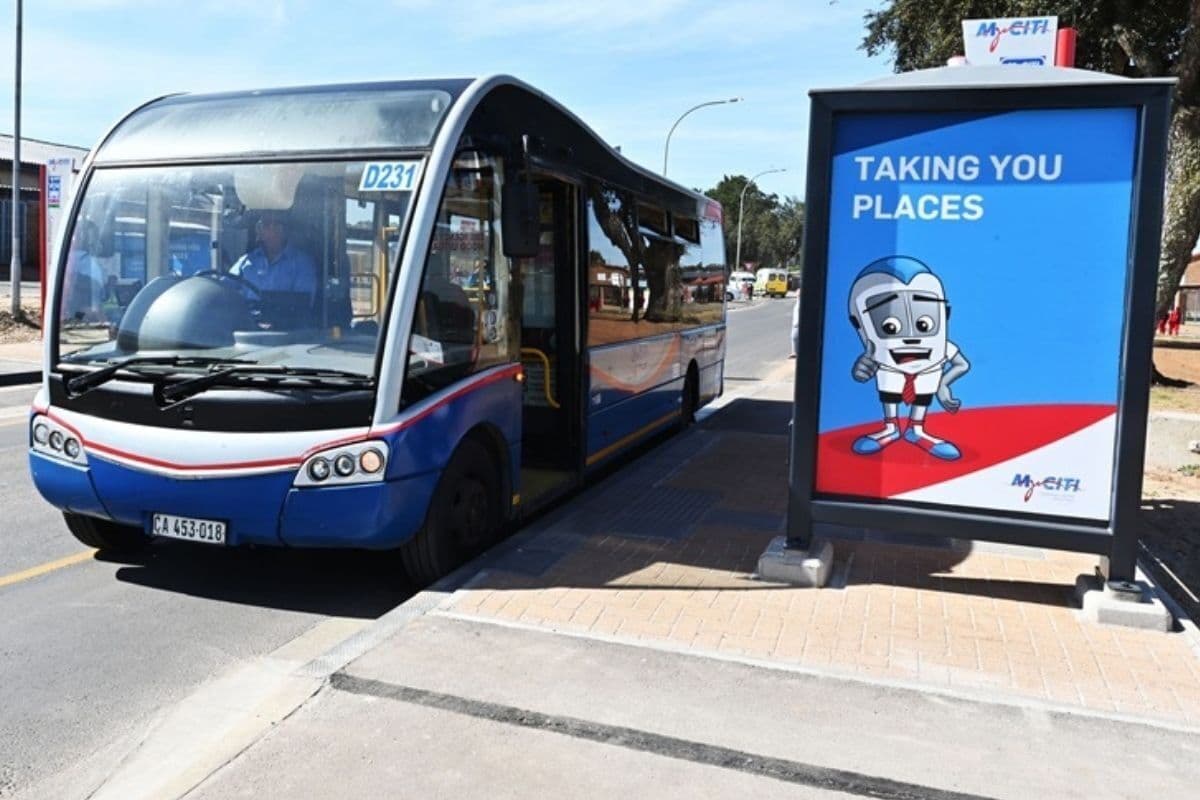
The political party GOOD has made a bold proposal to introduce free off-peak public transport for commuters in Cape Town. The announcement, which emerged on 19 September 2026, has captured the attention of residents across the metro. Reported initially by the Cape Argus, this move represents a significant policy pitch aimed at addressing the high cost of living and transport challenges faced by thousands of working-class Capetonians daily.
While the headline promise of free off-peak travel has generated considerable interest, many of the practical details surrounding the proposal are still emerging. At this stage, the exact hours that would constitute "off-peak" times have not been publicly specified. Typically, off-peak hours refer to mid-morning and late-afternoon periods outside the traditional rush hours, but how GOOD plans to define and regulate these windows in Cape Town remains to be seen.
Furthermore, the question of which transport networks would be included in this free service is a critical piece of information that remains unclear. Cape Town's public transport system is highly fragmented, comprising the City-run MyCiTi bus service, the provincial Golden Arrow Bus Services, the national Metrorail train network, and the privately operated minibus taxi industry. Whether the GOOD party's proposal intends to cover all or only some of these modes of transport is an essential detail that has yet to be fully outlined.
Funding is another major area where public details are currently limited. Implementing a free transport scheme, even if restricted to off-peak hours, would require substantial financial backing and subsidies. It remains to be clarified how the GOOD party proposes to fund this initiative—whether through municipal rate reallocations, provincial subsidies, national government grants, or other fiscal mechanisms. Without a clear financial plan, critics and commuters alike will undoubtedly question the long-term feasibility of the proposal.
Despite these unanswered questions, the significance of the proposal cannot be understated for a city like Cape Town. Many residents live far from the economic hubs of the city center and industrial areas, resulting in long and expensive daily commutes. For lower-income households, transport costs consume a disproportionate share of monthly income. If successfully implemented, free off-peak travel could provide vital financial relief to job seekers, students, part-time workers, and pensioners who have the flexibility to travel outside peak times.
Beyond individual financial relief, the proposal could have broader urban planning implications. Cape Town is well-known for its severe peak-hour traffic congestion. By offering free travel during quieter times of the day, the initiative could encourage a shift in commuter behavior, prompting some passengers to delay or bring forward their travel. This could potentially ease the pressure on both road networks and public transport vehicles during the heavily congested morning and evening peaks.
However, the political context of this announcement is also important to consider. As a prominent political party in the Western Cape, GOOD’s policy proposals are subject to intense scrutiny from rival parties, including the governing Democratic Alliance (DA) in the City of Cape Town and the Western Cape provincial government. Observers will be watching to see how city officials and transport authorities respond to the feasibility of such a non-fare system.
As the debate develops, Cape Town commuters and transport stakeholders will be waiting for more concrete details. The coming weeks may reveal whether the GOOD party will release a comprehensive policy framework detailing the costing, logistics, and inter-governmental cooperation required to bring this ambitious plan to life. For now, the promise remains an intriguing vision for the future of urban mobility in the Mother City.