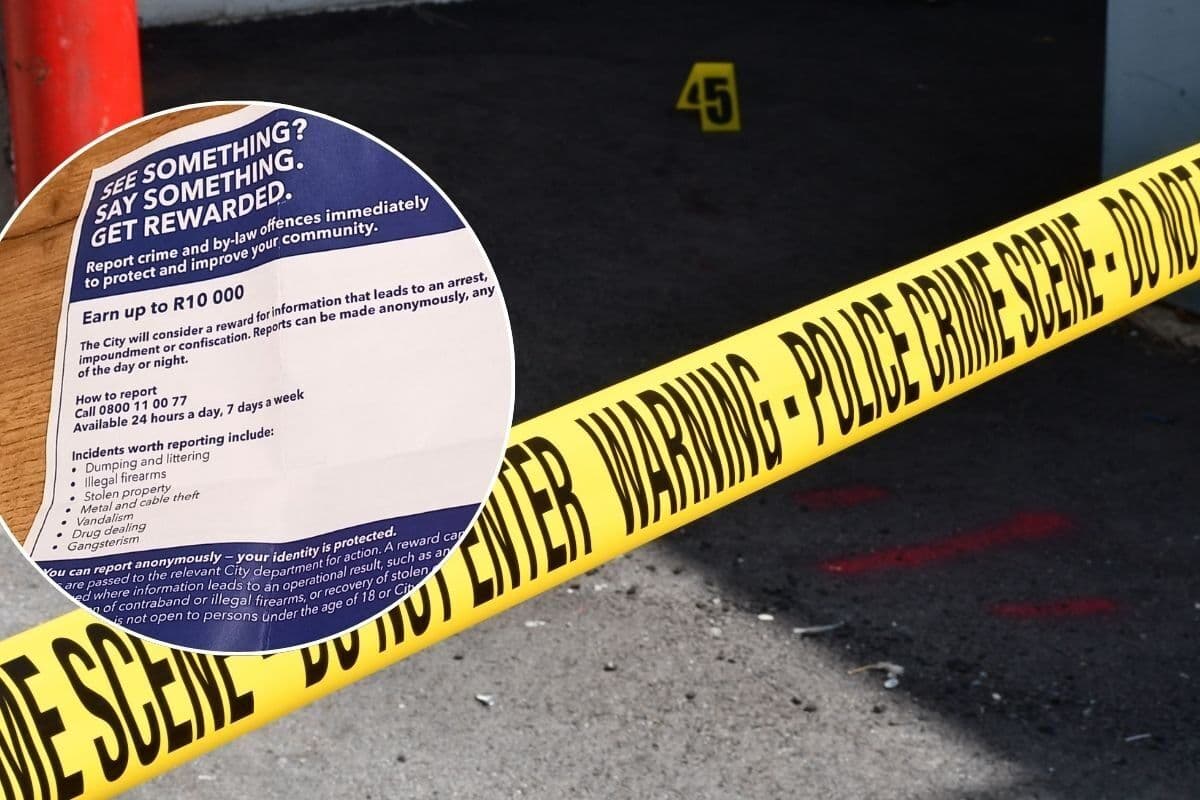
The City of Cape Town has formally refuted allegations of a "cover-up" regarding a massive R60 million cable theft case. The claims, which were brought forward by an individual identified as Fadiel, have sparked significant public interest following reports published by the Cape Argus on 13 September 2026. The municipality has firmly denied any attempts to conceal the multi-million rand incident.
At the heart of the controversy is the substantial sum of R60 million, which Fadiel alleges is tied to a major cable theft occurrence and a subsequent cover-up within the city's administration. Cable theft remains a critical issue across South African metropolitan areas, but an allegation of this magnitude—coupled with claims of an official cover-up—represents a highly sensitive political and administrative challenge for the City of Cape Town.
In response to these serious allegations, the City of Cape Town has moved swiftly to dismiss the claims of a cover-up. While the city has refuted Fadiel's specific narrative, the exact details of their counter-argument and the administrative steps being taken to address the underlying cable theft allegations remain partially under wraps. The city's rejection of the claims emphasizes its stance on transparency, though critics continue to demand further clarity.
Based on the currently available reports, several key details regarding the R60 million claim remain unclarified. The public record does not yet specify the exact municipal sites affected by the alleged R60 million cable theft, nor does it detail the precise timeline over which the thefts supposedly occurred. Furthermore, the specific evidence Fadiel has put forward to support the cover-up claims has not been fully detailed in the initial public disclosures, leaving observers to piece together the arguments from both sides.
The identity and official capacity of Fadiel—the individual behind the R60 million allegations—are central to understanding the dynamics of this dispute. While the initial reports highlight Fadiel's role in bringing these claims to light, further details about his professional background, political affiliations, or specific access to municipal data have not been fully elaborated. This lack of background information makes it difficult to assess the exact origin of the internal data being cited.
Cable theft is a pervasive crisis in South Africa, costing municipalities billions of rands annually and severely disrupting electricity, transport, and communication networks. In Cape Town, infrastructure protection is a major budgetary priority. An allegation involving R60 million worth of stolen cable is exceptionally large, which explains why the claim of an administrative cover-up has triggered such a rapid and firm denial from city officials seeking to protect the municipality's reputation.
As the situation unfolds, residents and civic oversight groups are calling for a transparent investigation to resolve the conflicting accounts between Fadiel and the City of Cape Town. For local taxpayers, the integrity of municipal infrastructure and the accountability of public officials are paramount. Observers will be watching closely to see if formal council questions are tabled or if independent forensic investigators are called in to verify the claims.
Ultimately, the dispute highlights the ongoing tension between whistleblowers or public critics and municipal authorities in South Africa's major metros. Until more concrete evidence is presented by Fadiel, or until the City of Cape Town releases a comprehensive breakdown of the R60 million figure, the true nature of the alleged cable theft and the validity of the cover-up claims will remain a subject of intense local debate.