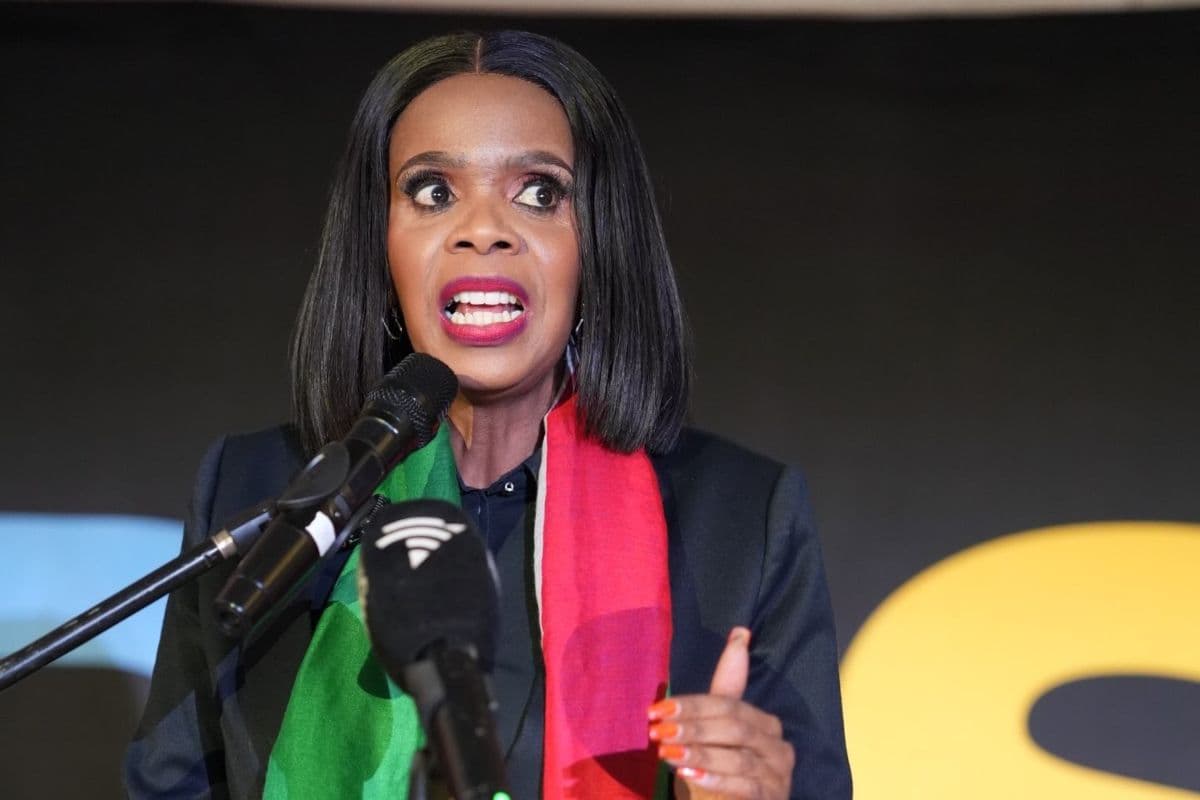
In a significant development for the local political landscape, RISE Mzansi and the GOOD party have officially unveiled Sarah Mabotsa as their joint mayoral candidate for the City of Tshwane. The announcement, which was made public on 25 July 2026, marks a collaborative effort by the two political organisations to challenge the established leadership in South Africa’s administrative capital. As municipal politics increasingly lean towards coalition governance, this joint endorsement represents a strategic alignment aimed at offering Tshwane residents an alternative to the traditional political heavyweights.
The decision by RISE Mzansi and GOOD to present a unified candidate highlights a shift in how smaller and emerging political parties are approaching local government elections. Rather than competing against one another and risking a split in the opposition vote, the two parties have chosen to pool their resources and support behind Mabotsa. This cooperative approach is designed to consolidate their influence within the Tshwane council, where governance has historically been highly contested and often unstable.
At this initial stage of the announcement, detailed information regarding Sarah Mabotsa's professional background, political history, and specific policy platform remains limited. As the mayoral campaign begins in earnest, residents of the metro will undoubtedly seek more clarity on her credentials and her vision for the city. It remains to be seen how Mabotsa plans to position herself against seasoned politicians from other major parties, and what specific strategies she will propose to address the pressing issues facing Tshwane.
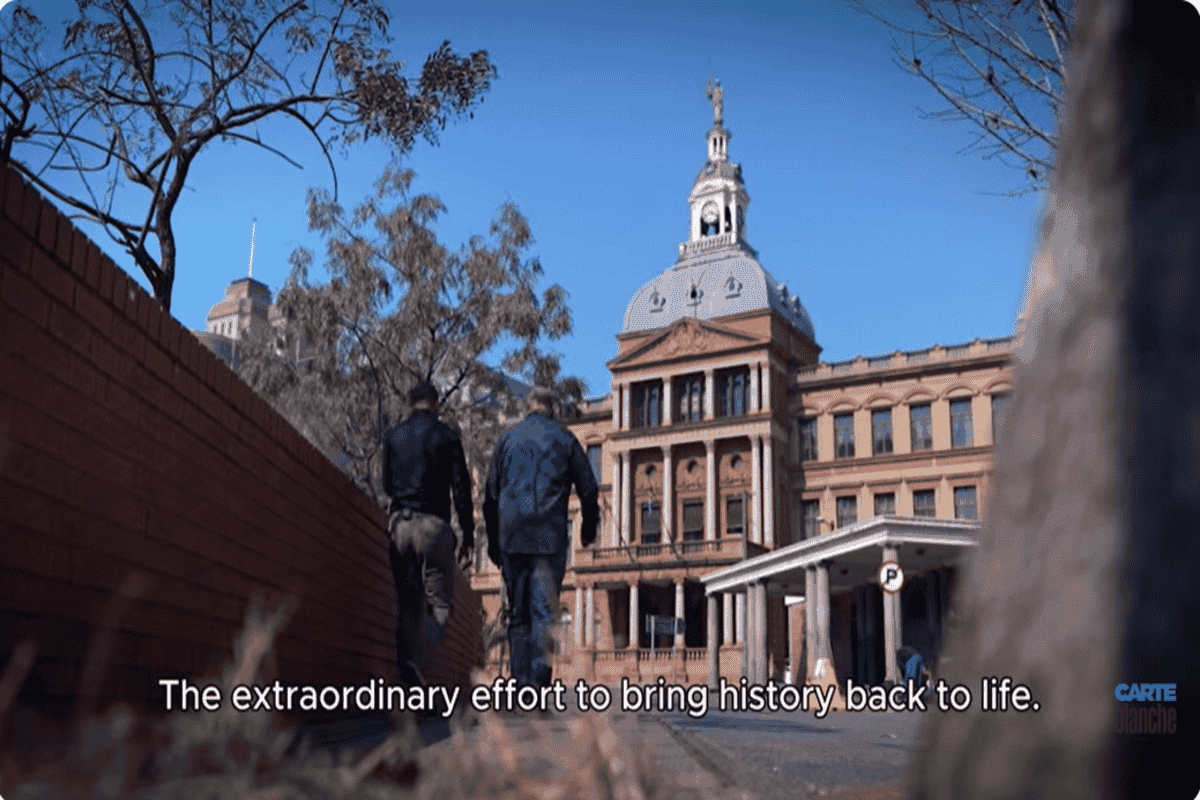
Tshwane has long been a crucial battleground in South African municipal politics, characterised by complex coalition dynamics and frequent leadership transitions. The metro has faced ongoing challenges, including service delivery disruptions, financial instability, and administrative hurdles. By putting forward a joint candidate, RISE Mzansi and GOOD are signalling their readiness to govern, though they will need to convince a sceptical electorate that their partnership can bring the stability that the capital city has lacked in recent years.
While the unveiling of Mabotsa is a clear statement of intent, several critical operational details of the alliance remain unclear. The public has yet to receive comprehensive details on the governance framework agreed upon by RISE Mzansi and GOOD, including how mayoral committee posts would be distributed or how policy differences between the two parties would be resolved. Additionally, it is not yet known whether this alliance is a localised arrangement confined to Tshwane or if it represents a broader, national strategy for future elections.
In the coming weeks, political observers and residents will be watching closely to see how the campaign unfolds. The formal launch of Mabotsa's campaign is expected to provide more concrete answers regarding her policy priorities, particularly concerning local economic development, infrastructure maintenance, and municipal financial management. How rival political formations, such as the Democratic Alliance (DA), the African National Congress (ANC), and the Economic Freedom Fighters (EFF), respond to this joint candidacy will also be key to watch.
Ultimately, the success of the RISE Mzansi and GOOD partnership in Tshwane could have wider implications for the future of South African politics. If Mabotsa’s candidacy gains significant traction, it may encourage similar cross-party alliances in other municipalities ahead of future local government elections. For now, the focus remains on the capital city, where voters will soon have the opportunity to assess whether this new political offering can deliver the effective governance and stability they desire.