‘You Have a Voice. Use It’: Table View Rape Survivor Urges Victims to Speak Up
A rape survivor from Table View, Cape Town, has issued a powerful call to action, urging victims of sexual assault to break their silence. The appeal, published by the Cape Argus, highlights the ongoing fight against gender-based violence in South Africa.
On 6 September 2026, a rape survivor from the Table View area of Cape Town issued a powerful public appeal, urging other victims of sexual assault to break their silence and make their voices heard. The report, published by the Cape Argus, highlights a message of empowerment and resilience: “You have a voice. Use it.” This call to action comes at a time when communities across South Africa continue to seek effective ways to combat sexual violence and support survivors.
Table View, a coastal suburb located along the West Coast of Cape Town, is the focal point of this report. The survivor’s plea represents a localized call to action that has resonated on a broader scale, gaining traction across national media platforms. By sharing this message, the survivor aims to encourage others who may be suffering in silence to come forward, highlighting the critical role that individual voices play in the collective fight against abuse.
To maintain strict journalistic integrity, it is vital to outline what is currently known and what remains unconfirmed in the public domain. The available report does not disclose the survivor's identity, which is a standard ethical practice to protect the privacy and safety of victims. Additionally, the specific details of the assault, including when and where it occurred, the identity of the perpetrator, and whether any arrests have been made by the local South African Police Service (SAPS), have not been detailed. It also remains unclear whether the case is currently before the courts.
The survivor’s powerful plea, “You have a voice. Use it,” lands in a country grappling with exceptionally high rates of sexual violence. In South Africa, gender-based violence (GBV) is frequently described by government officials and civil society as a “second pandemic.” Survivors who choose to speak out publicly often do so at great personal risk, but their testimonies play a crucial role in humanising statistics and keeping the national conversation focused on systemic reform and victim support.
The decision to speak up, as urged by the Table View survivor, addresses a major hurdle in the South African criminal justice system: underreporting. Many victims of sexual assault do not come forward due to fear of secondary trauma during police questioning, societal stigma, or a lack of faith in the justice process. By framing voice as a tool of empowerment, the survivor challenges the silence that often shields perpetrators, particularly within established residential communities like Table View.
From a practical perspective, the call to “use your voice” underscores the need for accessible support structures for survivors in the Western Cape. While the specific support networks, counseling services, or legal aid organizations assisting this particular survivor are not named in the report, South Africa hosts numerous non-governmental organisations (NGOs) such as the Rape Crisis Cape Town Trust, which provide vital resources. Local community policing forums (CPFs) in Table View also play an active role in bridging the gap between residents and law enforcement.
Moving forward, observers and community safety advocates will be watching to see if this public appeal leads to increased reporting of sexual offenses in the Table View precinct. Additionally, it remains to be seen whether local authorities or community leaders will respond to the survivor's call with targeted safety initiatives or enhanced support services for victims. The ongoing public response to this story highlights the enduring demand for accountability, justice, and systemic support for survivors of gender-based violence across South Africa.
Reporting record
How this story was produced
This article was AI-generated from the frozen trend evidence and passed deterministic quality and safety gates. No cross-provider evidence review or independent human verification is claimed for this record.
- Byline
- Newstrends AI Newsroom
- First published
- Last material update
- No later material update recorded
- Distinct source identifiers
- 1 retained source identifier
Frozen source links for this publication
Chronology
Story timeline
A generated chronology for orientation; dates and details may require source verification.
Update
The Cape Argus publishes the Table View rape survivor's appeal urging victims to speak up.
Reader file
Frequently asked questions
01What did the Table View rape survivor urge victims to do?
The survivor urged victims of sexual assault to break their silence and use their voices to speak up against abuse.
02Where did this appeal originate?
The appeal originated from Table View, a suburb in Cape Town, South Africa, and was reported by the Cape Argus.
03Are there specific details available about the incident or the perpetrator?
No, specific details regarding the survivor's identity, the details of the assault, the perpetrator, or any police arrests have not been disclosed in the public reports to protect privacy and safety.
Keep reading
Related coverage
More published reporting connected to this story.
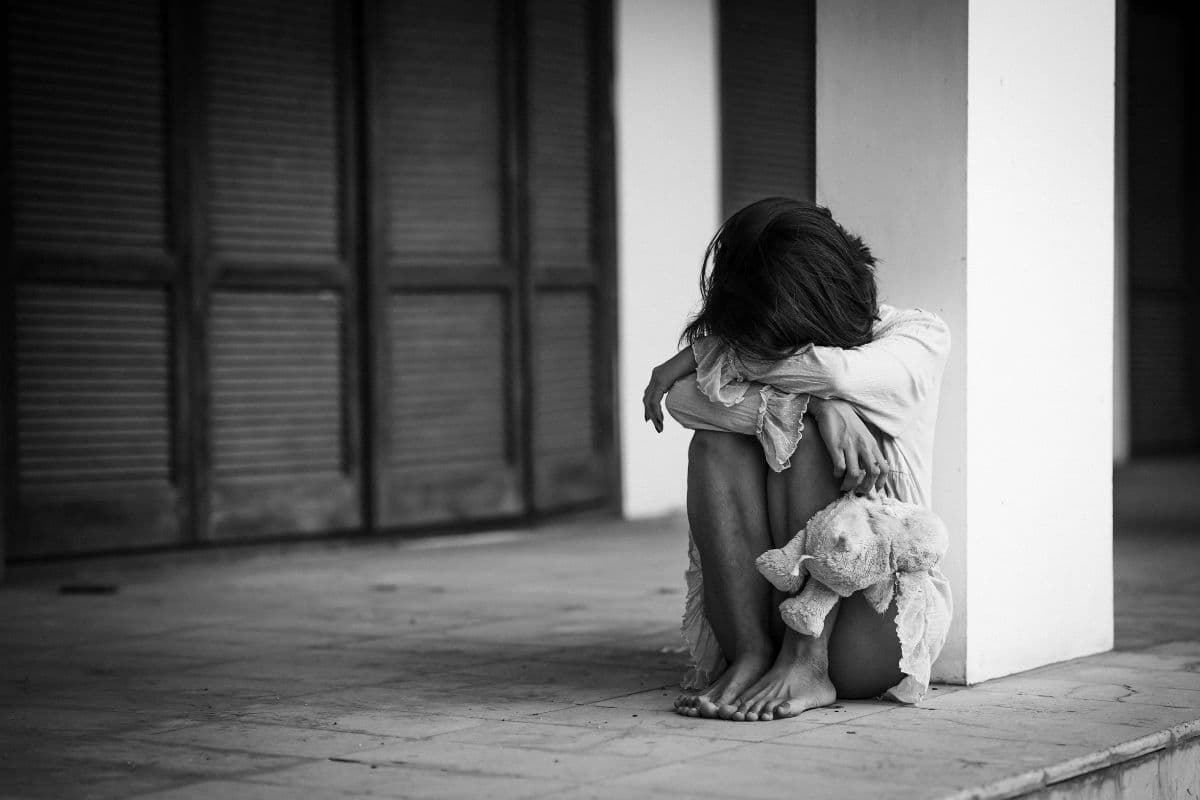
Cape Town Parents Accused of ‘Selling’ 11-Year-Old Daughter
Shocking allegations have emerged from Cape Town where parents are accused of 'selling' their 11-year-old daughter. While specific details remain limited to protect the minor, the case has sparked widespread concern regarding child protection and trafficking laws in South Africa.
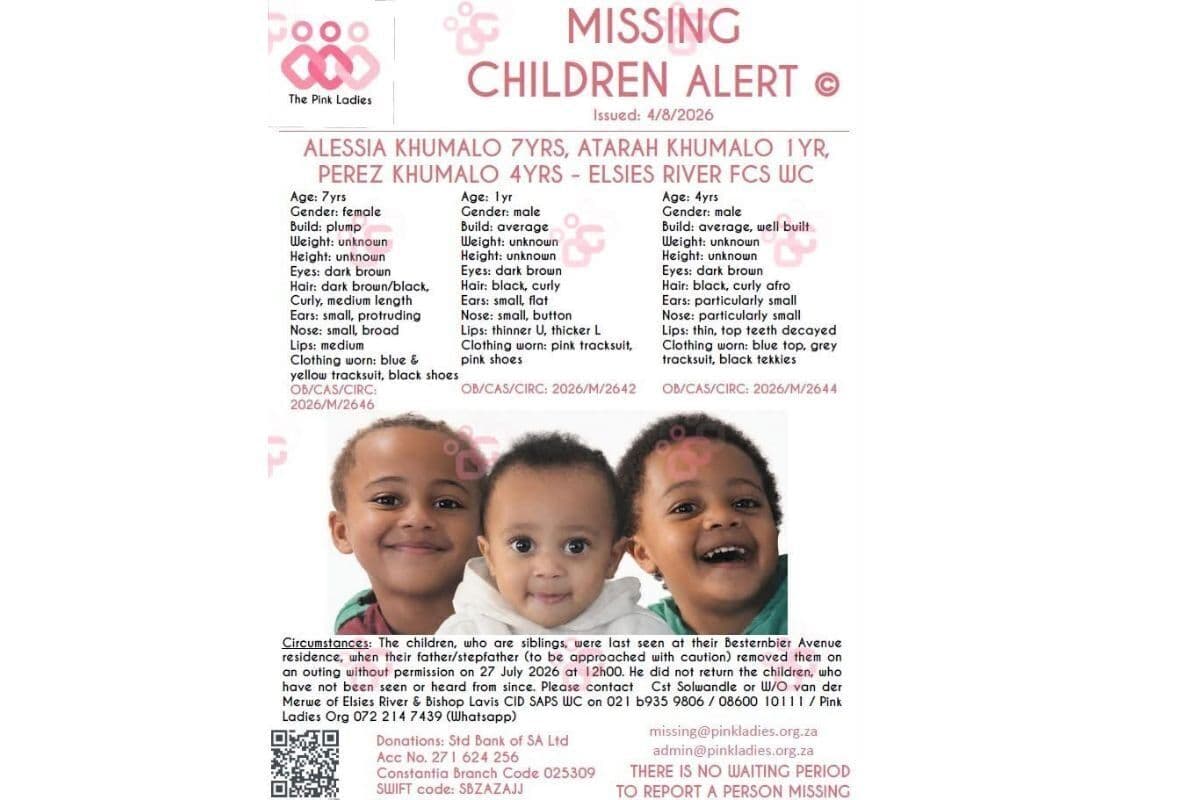
Cape Town Community on High Alert After Three Siblings Go Missing Following Trip with Father
Three siblings from Cape Town have been reported missing after a trip with their father, according to breaking local news reports. As details remain limited, community members and authorities are urged to remain vigilant while awaiting official updates.
Woodstock Plunged into Unease After Second Fatal Stabbing in Five Days
A second stabbing incident in Woodstock within five days has left one person dead, sparking safety concerns in the Cape Town suburb. The local community awaits crucial updates from law enforcement as investigations begin.
City of Cape Town Faces Legal Challenges Over Municipal Construction Contracts
The City of Cape Town is facing legal challenges concerning its construction contracts, raising questions about municipal procurement. While specific details of the affected projects remain unconfirmed, the disputes highlight the ongoing tension between rapid infrastructure delivery and strict regulatory compliance.
Manhunt Launched After Four Men Shot Dead in Nyanga
Police in the Western Cape have launched a manhunt following a shooting incident that left four men dead in Nyanga, Cape Town. Authorities are currently searching for the perpetrators as investigations into the attack begin.