GOOD Party Accuses JP Smith of Misleading Cape Town Residents Over Animal By-Law
The GOOD party has publicly accused Cape Town's JP Smith of presenting misleading information regarding the city's animal by-law. The dispute highlights ongoing political friction and has left pet owners seeking clarity on local regulations.
The political landscape in Cape Town has seen a fresh wave of tension as the GOOD party has officially accused the City of Cape Town’s Mayoral Committee Member for Safety and Security, JP Smith, of misleading local residents. According to reports published on 6 September 2026, the dispute centres on the city’s controversial animal by-law, a regulatory framework that governs pet ownership and animal management within the metropolitan area. The accusation has raised concerns among residents who are seeking clear and accurate information regarding their rights and responsibilities as pet owners.
As a prominent opposition party in the Western Cape, the GOOD party’s public challenge against JP Smith highlights the ongoing political friction within the Cape Town municipal council. JP Smith, who oversees safety, security, and by-law enforcement in the metro, has frequently been at the forefront of implementing local regulations. However, this latest accusation suggests a significant disagreement over how the provisions of the animal by-law are being communicated to the public, with GOOD alleging that the information being shared by Smith is inaccurate or intentionally misleading.
At this stage, the specific details regarding which exact clauses of the animal by-law are being disputed remain unclear in the initial reports. Municipal animal by-laws typically cover a wide range of sensitive topics, including the number of pets allowed per household, licensing requirements, noise complaints, and the treatment of stray or working animals. Because the precise nature of the alleged misinformation has not been fully articulated, Cape Town residents are left in a state of uncertainty regarding how these regulations might affect their daily lives and their animals.
The significance of this dispute cannot be understated, as animal welfare and pet ownership regulations affect a vast number of households across diverse communities in Cape Town. Clear communication from city officials is vital to ensure compliance and to maintain trust between the municipality and the public. When allegations of misleading information arise, it can lead to confusion, anxiety, and potential non-compliance among residents who may not know which set of guidelines to trust or follow.
In the context of South African local government, the process of drafting, amending, and implementing municipal by-laws requires rigorous public participation and transparent communication. Opposition parties like GOOD play a crucial oversight role in ensuring that the governing party—in this case, the Democratic Alliance (DA)—and its executive members present facts honestly to the electorate. This dispute emphasizes the necessity for the City of Cape Town to provide easily accessible, plain-language versions of all active and proposed by-laws to prevent political disputes from muddying regulatory waters.
For practical purposes, Cape Town residents are advised to exercise caution when interpreting political statements regarding municipal regulations. To gain an accurate understanding of the current rules governing pet ownership, residents should directly access the official City of Cape Town website or contact local municipal offices to view the gazetted version of the animal by-law. Relying on official legislative documents, rather than political commentary, remains the most reliable method for community members to ensure they are fully compliant with local laws.
Looking ahead, observers and residents alike will be watching closely for a formal response from JP Smith or the City of Cape Town addressing the allegations made by the GOOD party. It remains to be seen whether the GOOD party will release a more detailed breakdown of the specific statements they claim are misleading, or if they will take the matter further within the council chambers. Resolution of this issue will be critical to restoring clarity and ensuring that public information regarding animal management in the metro is both accurate and trustworthy.
Reporting record
How this story was produced
This article was AI-generated from the frozen trend evidence and passed deterministic quality and safety gates. No cross-provider evidence review or independent human verification is claimed for this record.
- Byline
- Newstrends AI Newsroom
- First published
- Last material update
- No later material update recorded
- Distinct source identifiers
- 1 retained source identifier
Frozen source links for this publication
Chronology
Story timeline
A generated chronology for orientation; dates and details may require source verification.
Update
The GOOD party publicly accuses Mayco Member JP Smith of misleading residents over the Cape Town animal by-law.
Reader file
Frequently asked questions
01What is the basis of the accusation against JP Smith?
The GOOD party has accused JP Smith of misleading Cape Town residents regarding the city's animal by-law, though specific details of the disputed claims remain unclarified in initial reports.
02Who is JP Smith?
JP Smith is a prominent municipal official in Cape Town, serving as the Mayoral Committee Member for Safety and Security.
03Where can residents find the correct animal by-law information?
Residents are advised to consult the official City of Cape Town website directly to read the officially gazetted animal by-laws.
Keep reading
Related coverage
More published reporting connected to this story.

City of Cape Town Offers R10,000 Reward for Reporting Crime
The City of Cape Town has announced a financial incentive of R10,000 for residents who report criminal activity. While the headline reward is clear, many practical details regarding eligibility and safety remain to be finalized.

Cape Town Driving Licence Testing Centres to Open This Saturday, 25 July 2026
Driving licence testing centres in Cape Town are scheduled to open on Saturday, 25 July 2026, providing weekend access for local motorists. While the date is confirmed, residents are advised to verify specific centre locations and hours.
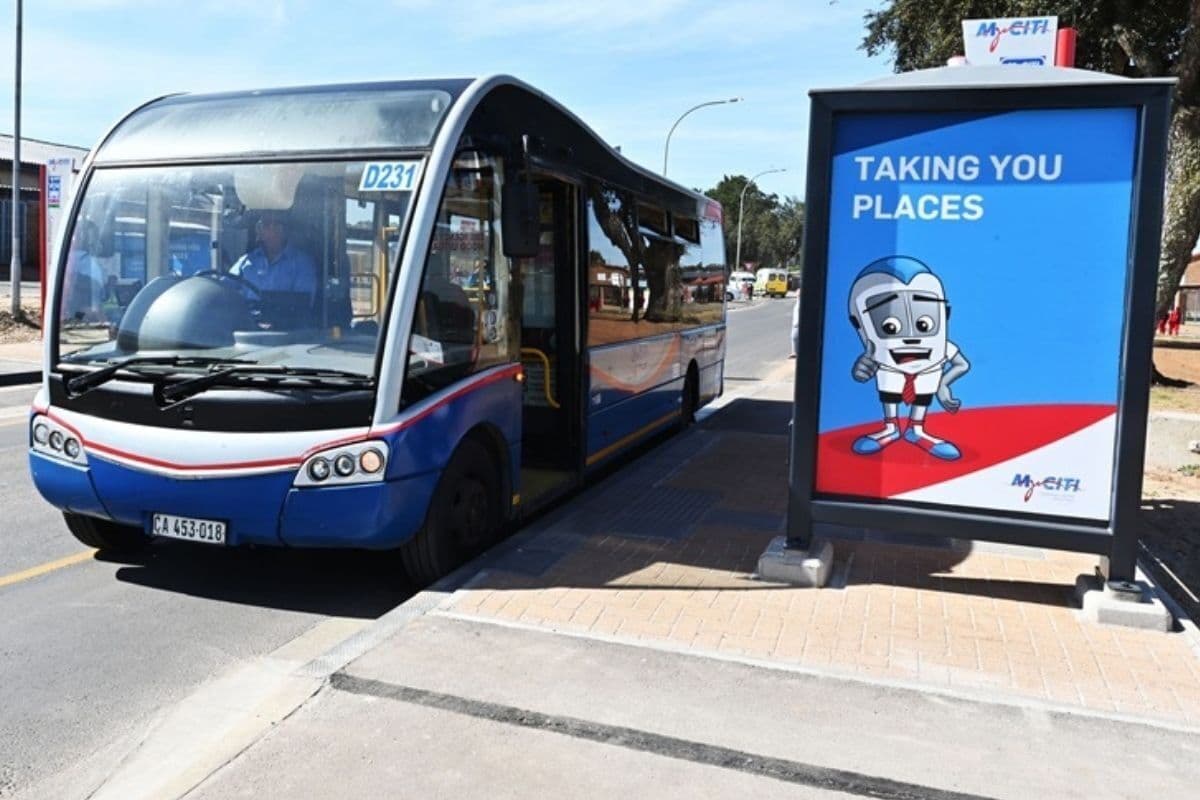
Good News for Cape Town Commuters as MyCiTi Buses and Stops in Atlantis Get Upgrades
The City of Cape Town has announced upcoming upgrades to MyCiTi buses and stops, focusing on the Atlantis area. This initiative aims to improve passenger safety, comfort, and service reliability for local commuters.
Woodstock Plunged into Unease After Second Fatal Stabbing in Five Days
A second stabbing incident in Woodstock within five days has left one person dead, sparking safety concerns in the Cape Town suburb. The local community awaits crucial updates from law enforcement as investigations begin.
City of Cape Town Confronts R8.1 Billion Shortfall in Unpaid Rates and Services
The City of Cape Town is facing a major financial challenge with R8.1 billion currently outstanding in unpaid municipal rates and services. This massive deficit poses a direct threat to the metro's financial sustainability and its ability to maintain crucial service delivery.