On 8 September 2026, South African media outlet Independent Online (IOL) published a critical report highlighting the severe implications of global temperatures breaching the 1.5°C threshold. The analysis, titled "What a world above 1.5°C could mean for South Africa: heat, drought and food pressure," underscores the escalating climate risks facing the nation. As global climate discussions increasingly focus on the consequences of failing to limit warming, this report brings the conversation home to South Africa, warning of a future defined by intensifying environmental and socioeconomic challenges.
The 1.5°C limit is widely regarded by international scientific bodies as a critical guardrail for preventing the most catastrophic impacts of climate change. For South Africa, exceeding this threshold is not merely an abstract environmental milestone but a direct threat to daily life and national stability. The newly highlighted concerns focus on three interconnected pressure points: rising temperatures, prolonged droughts, and the resulting strain on the country's food systems.
According to the focal points of the report, heat is one of the primary vectors through which a warmer world will impact South Africans. Rising average temperatures are expected to lead to more frequent and intense heatwaves across the country. While the specific temperature projections and regional breakdowns were not detailed in the initial source data, the broad warning suggests that urban and rural areas alike will have to adapt to unprecedented thermal stress, affecting human health, labour productivity, and energy infrastructure.
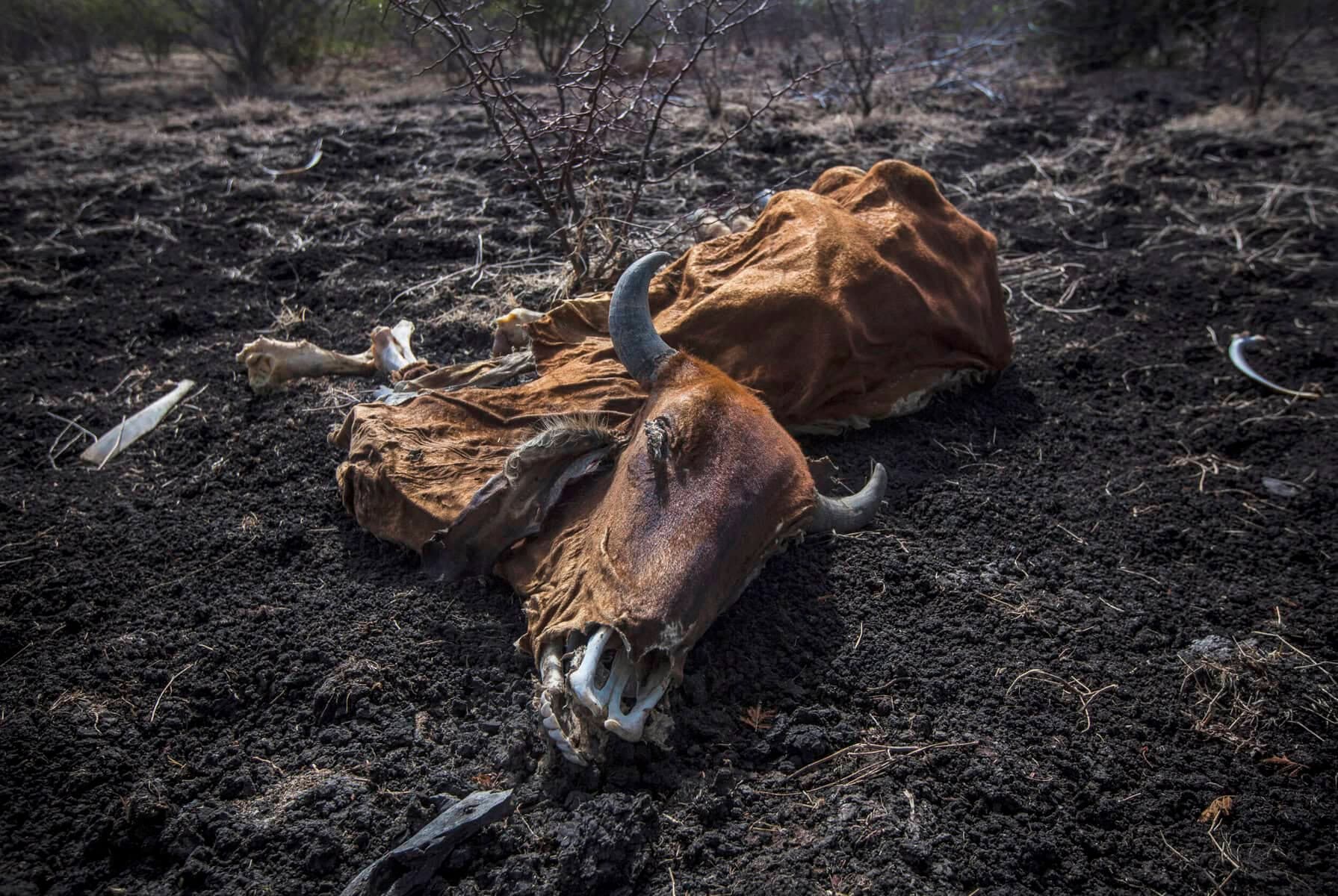
Coupled with rising heat is the threat of severe drought, a phenomenon that South Africa is historically vulnerable to. A world above 1.5°C of warming threatens to disrupt rainfall patterns, leading to more prolonged dry spells and reduced water availability. The implications for municipal water supplies, industrial operations, and ecological systems are profound. Although the report does not quantify the exact reduction in water reserves, the emphasis on drought highlights the urgent need for robust water management strategies.
The compounding effects of heat and drought culminate in what the report terms "food pressure." South Africa's agricultural sector relies heavily on stable weather patterns to feed the nation and support the economy. With increased warming, crop yields are highly likely to suffer, leading to food insecurity and rising food prices. This pressure is expected to disproportionately affect vulnerable, low-income households who spend a larger share of their income on basic food items.
While the report outlines these critical areas of concern, several key details remain unaddressed in the available data. It is currently unclear what specific policy measures the South African government plans to implement to mitigate these risks, or how much funding will be allocated to climate adaptation. Furthermore, the precise timeline for when these impacts will reach their peak and the exact geographical regions within South Africa that will be hardest hit remain open questions for future scientific and political debate.
The publication of this analysis serves as a stark reminder of the localized reality of global climate change. For South African citizens and policymakers, the focus on heat, drought, and food pressure provides a clear framework for adaptation planning. As the nation navigates these challenges, public awareness and proactive resource management will be crucial in building resilience against a warming climate. Observers will be watching closely to see how local municipalities and agricultural bodies respond to these warnings in the coming months.