El Niño Threat Raises Urgent Concerns for South Africa’s Water and Food Security
A recent report by The Citizen warns that an impending El Niño climate phase poses a significant threat to South Africa's water and food security. The viral news highlights growing public concern ahead of the upcoming agricultural season.
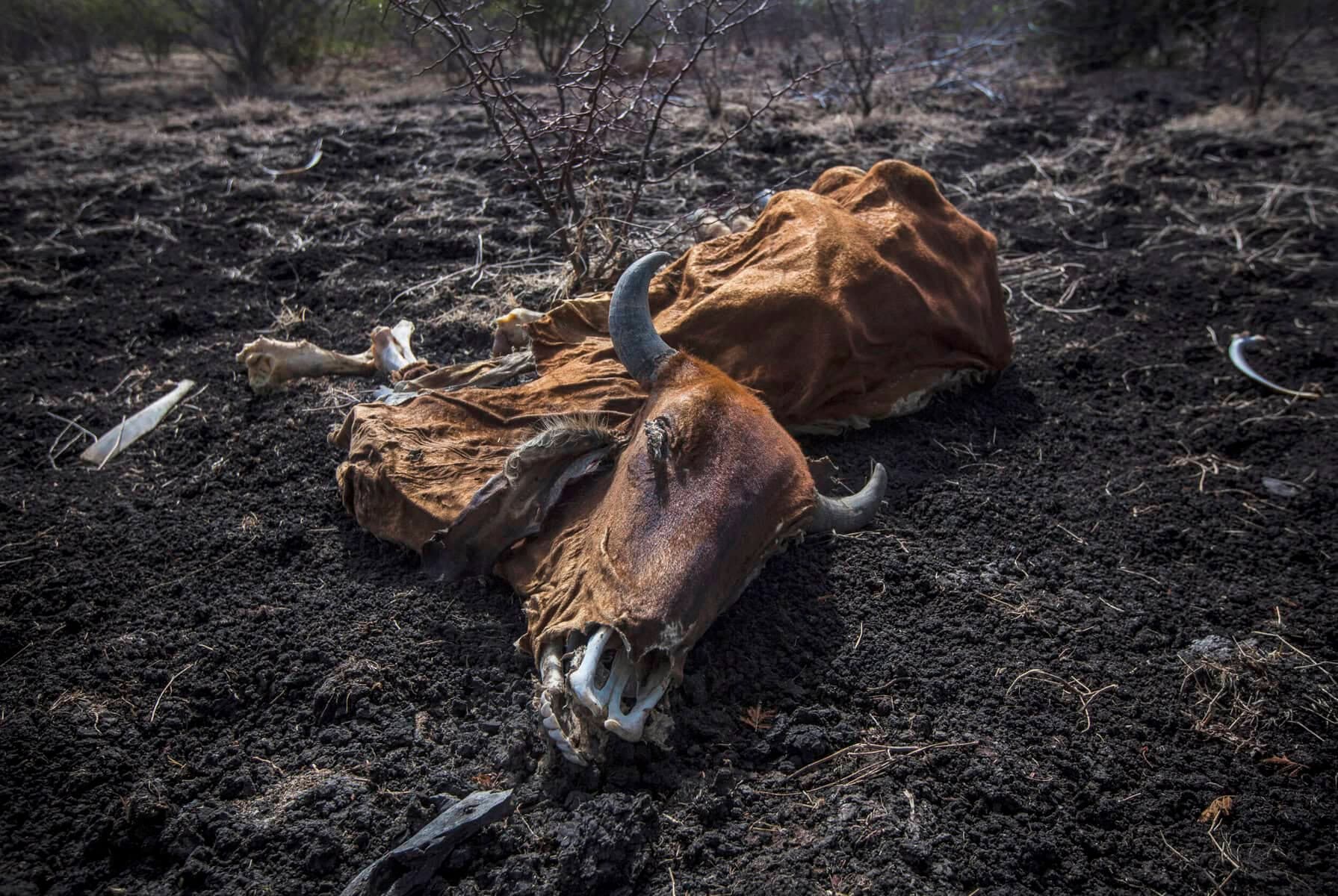
On 13 August 2026, concerns regarding South Africa's long-term resource stability were thrust into the spotlight following reports of an impending environmental challenge. A prominent warning published by the local media outlet The Citizen highlighted that the threat of an El Niño climate phase is actively putting the nation’s water and food security at risk. This development has rapidly gained traction online, reflecting widespread public concern over the potential implications for households and the broader economy.
The warning, originally detailed in an analysis titled "El Niño threat puts SA’s water and food security at risk," comes at a critical juncture for the region. As a viral news topic within South Africa, the report underscores the fragile balance of the country's essential utility and agricultural sectors. While the initial report outlines the broad parameters of the threat, specific meteorological data and the exact projected severity of this particular El Niño cycle remain undisclosed in the current public brief.
Water security remains a primary point of vulnerability for South Africa, a region characterised by highly variable rainfall patterns and localised water stress. An El Niño event is historically associated with drier conditions and suppressed rainfall across Southern Africa. The publication of this warning suggests that national water systems could face increased pressure in the coming months. However, the specific impact on regional reservoirs, municipal water supplies, and local water restrictions has not yet been detailed by authorities.
Closely linked to water availability is the country's food security. South Africa's agricultural sector relies heavily on predictable seasonal rainfall to sustain both crop production and livestock farming. A prolonged dry spell driven by El Niño could lead to reduced crop yields, potentially driving up food prices and impacting supply chains. At present, concrete agricultural forecasts, expected crop yield losses, and specific farming regions most at risk have not been officially quantified in the initial reports, leaving local farmers to prepare under conditions of uncertainty.
Given the lack of specific statistics and localised forecasts in the initial warning, several critical aspects of this developing situation remain unclear. It is currently unknown what specific mitigation strategies or emergency reserves will be deployed by South African authorities to counter the threatened shortages. Furthermore, the precise timeline of when the most severe effects of this El Niño cycle are expected to manifest across different provinces remains a key detail that observers are waiting to see clarified.
The timing of this warning, emerging in mid-August 2026, is highly significant. This period represents a transitional season for South Africa, just ahead of the traditional spring and summer planting intervals. Early warnings of climate disruptions are vital for the agricultural sector, as they allow commercial and smallholder farmers to make strategic decisions regarding crop selection and water conservation efforts before the primary growing season begins.
The rapid spread of this news highlights the acute sensitivity of the South African public to threats involving basic necessities. In a country where water infrastructure and food costs are already subjects of intense public debate, reports of potential climate-induced scarcity quickly become viral. The high level of engagement with this topic underscores the urgent need for clear, data-driven communication from scientific and administrative bodies to prevent panic and facilitate orderly planning.
As South Africa faces the potential challenges outlined in the recent reports, observers and citizens must look forward to more detailed disclosures. In the coming weeks, it will be crucial to monitor official updates from meteorological agencies and agricultural unions. These organisations are expected to provide the necessary data, localised weather models, and practical guidelines required to navigate the El Niño threat and safeguard the nation's water and food supplies.
Reporting record
How this story was produced
This article was AI-generated from the frozen trend evidence and passed deterministic quality and safety gates. No cross-provider evidence review or independent human verification is claimed for this record.
- Byline
- Newstrends AI Newsroom
- First published
- Last material update
- No later material update recorded
- Distinct source identifiers
- 1 retained source identifier
Frozen source links for this publication
Chronology
Story timeline
A generated chronology for orientation; dates and details may require source verification.
Update
The Citizen publishes a report warning that the El Niño threat puts South Africa's water and food security at risk, which quickly becomes a trending topic.
Reader file
Frequently asked questions
01What is the main threat highlighted in the recent reports?
The reports warn that an impending El Niño climate phase poses a significant risk to South Africa's water and food security.
02When was this warning published?
The warning was published by the local media outlet The Citizen on 13 August 2026.
03What specific details are currently missing from the reports?
Specific meteorological data, localised provincial forecasts, and concrete mitigation plans from authorities have not yet been detailed.
Keep reading
Related coverage
More published reporting connected to this story.
South African Crop Losses Top R1 Billion as Extreme Weather Batters Farmers
Climate-related crop losses in South Africa have officially surpassed the R1 billion mark due to extreme weather pressures. This massive financial toll raises significant concerns over local food security, agricultural sustainability, and consumer food inflation.
Weather Alert: Morning Frost Expected Across Multiple South African Provinces
A weather advisory has warned of expected morning frost across several South African provinces. While the specific regions have not been detailed, residents and farmers are urged to prepare for freezing early morning temperatures.
Western Cape July Rainfall Hits Historic Lows: Where Has the Winter Rain Gone?
Reports indicate that the Western Cape has experienced one of its driest July periods in decades, raising concerns for water security and agriculture. As the peak winter rainfall month ends with unusually dry weather, experts and residents are questioning the cause of the missing cold fronts.
Water Bankruptcy in South Africa: What Citizens Need to Know About the Emerging Crisis
Reports emerging on 24 July 2026 have highlighted the growing threat of 'water bankruptcy' in South Africa. This critical concept refers to a state where water demand and financial mismanagement collapse municipal supply chains, urging immediate public awareness.
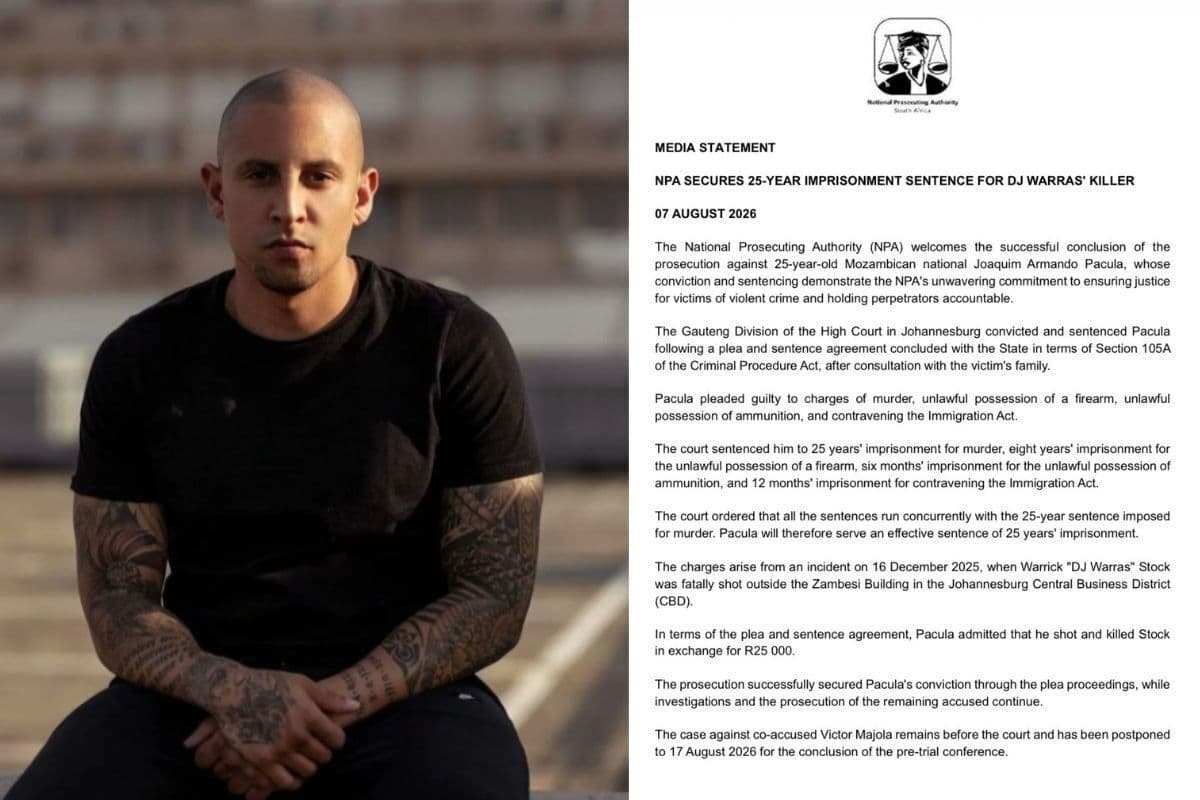
DJ Warras Murder: Convicted Killer Reveals Payment Details as Police Share How They Tracked Him Down
A convicted killer in the DJ Warras murder case has revealed the payment received for the hit. Police have also detailed the tracking methods used to apprehend the perpetrator, marking a major step in the high-profile investigation.